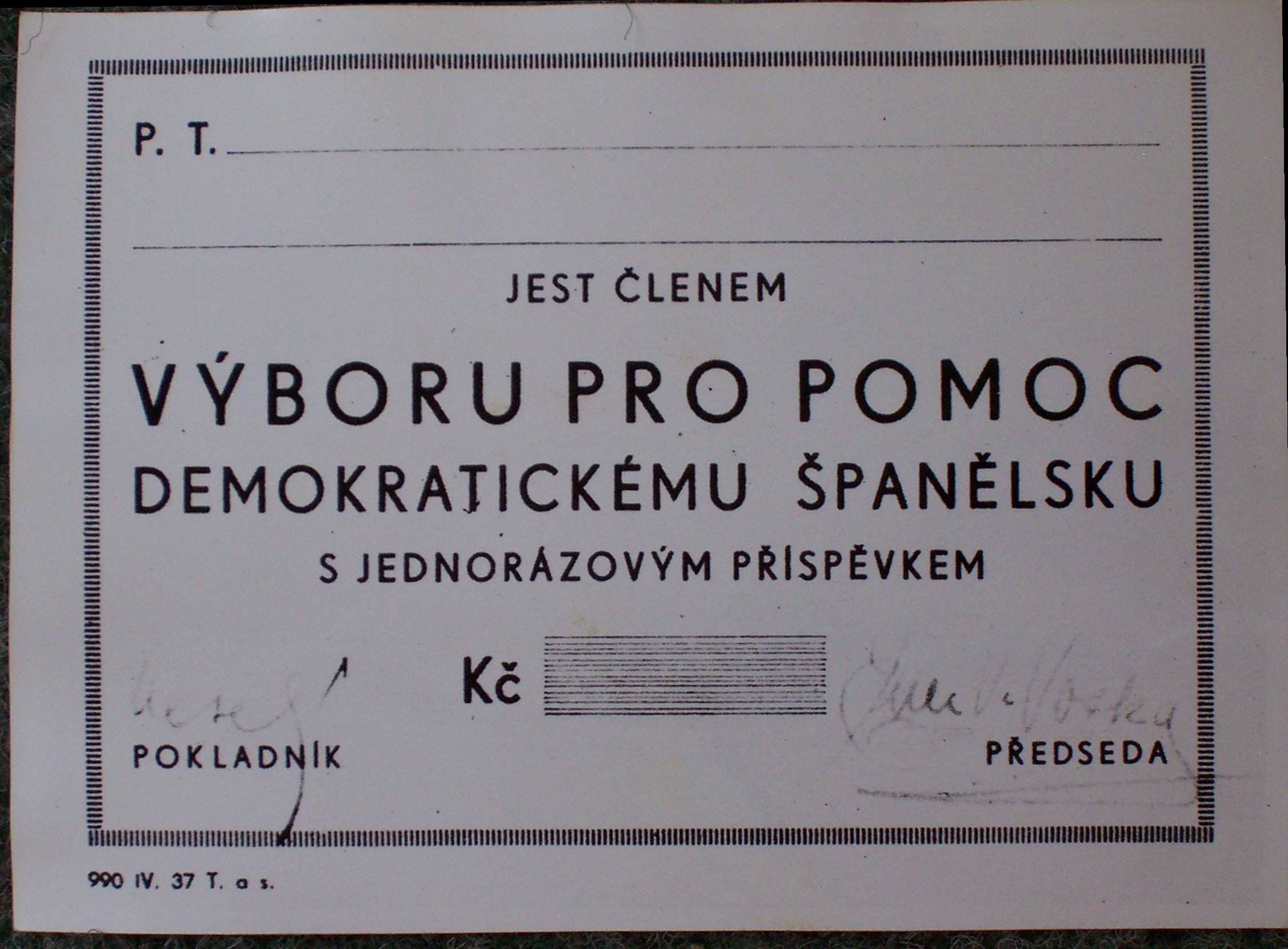



At a time of significant growth and consolidation of authoritarian regimes in the 1930s, Czechoslovakia remained the only island of democracy in all of Central and Southeast Europe. It is therefore not surprising that during the Spanish Civil War, the sympathies of the Czech and Slovak public, as well as the political authorities, were clearly on the side of the Republic. Collections and charity events were organized, exhibitions mounted, lectures held, and publications issued. Although the Czechoslovak government signed the Non-Intervention Agreement promoted Great Britain and France, this step was motivated primarily by an effort to remain loyal to France, and to the Western democracies in general, on whose help and support Czechoslovakia depended in terms of international politics.
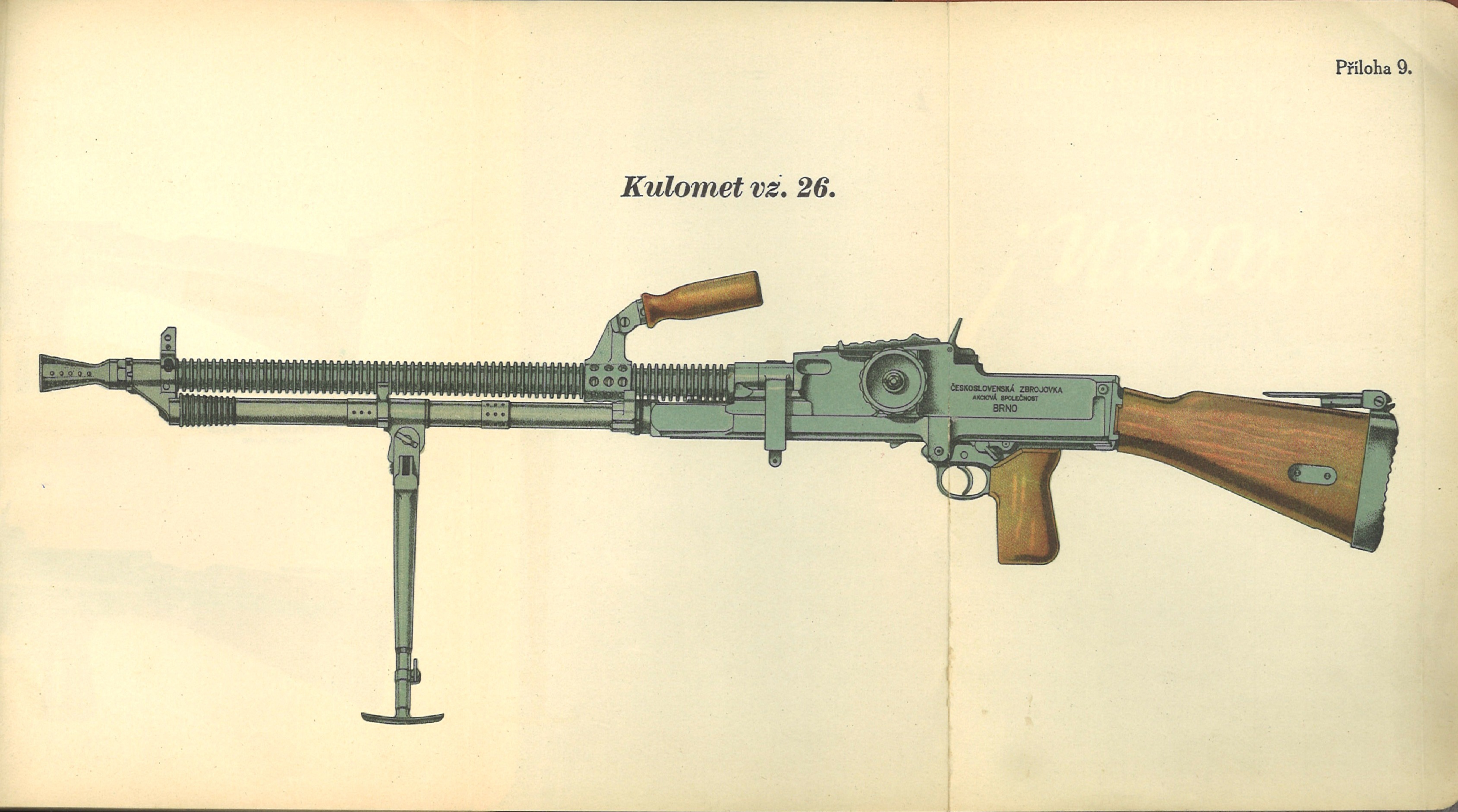
Despite the officially announced policy of Non-Intervention, prohibitions and restrictions were applied only half-heartedly. Only lukewarm steps were taken against recruitment or the transfer of volunteers through Czechoslovak territory. In addition to such leniency, the Czechoslovak authorities also supported the Spanish Republic with active measures. Already at the end of 1936, army intelligence services secretly secured logistical support for the transfer of Soviet advisers through Czechoslovak territory and, with the help of fictitious buyers, Czechoslovakia also supplied the Republic with weapons, ranging from small arms up to aircraft.
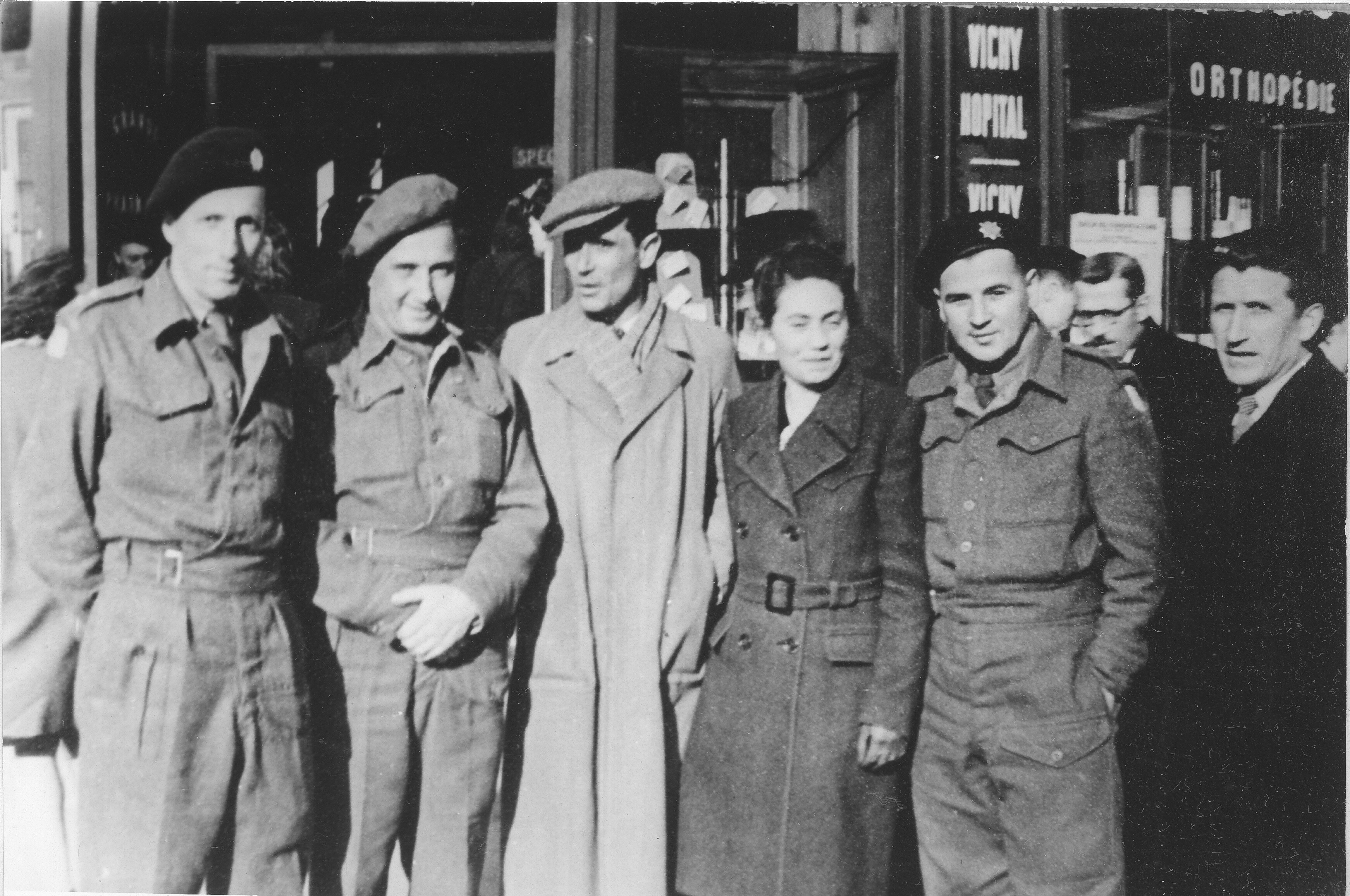
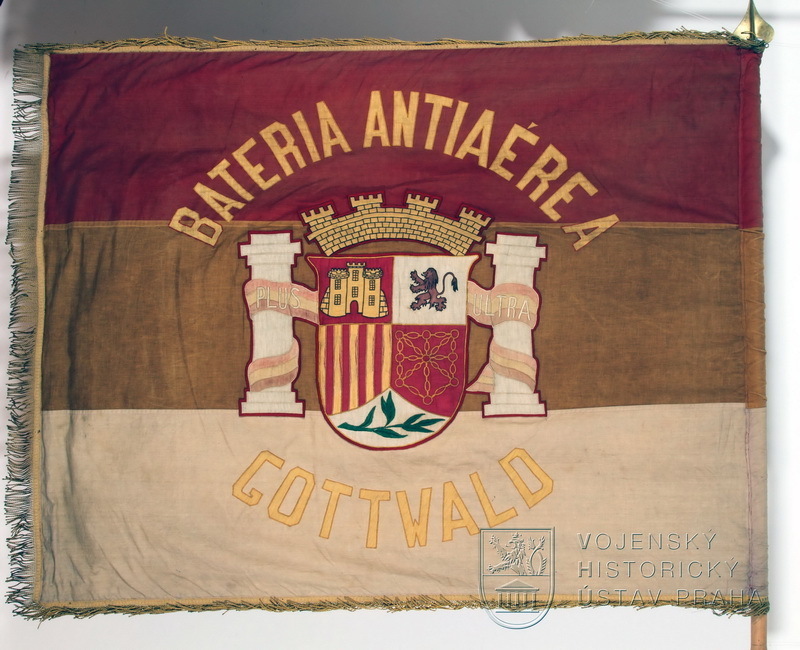
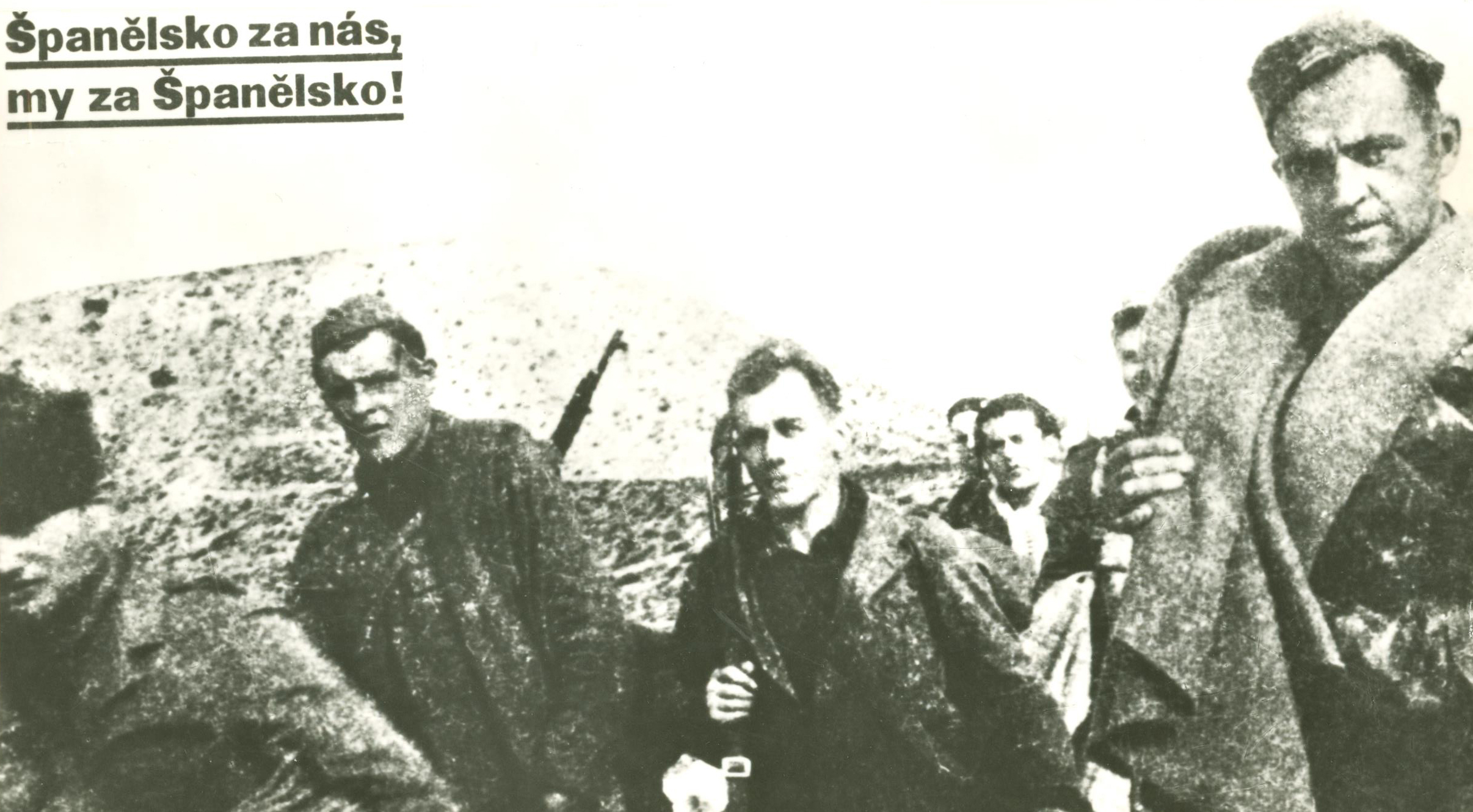
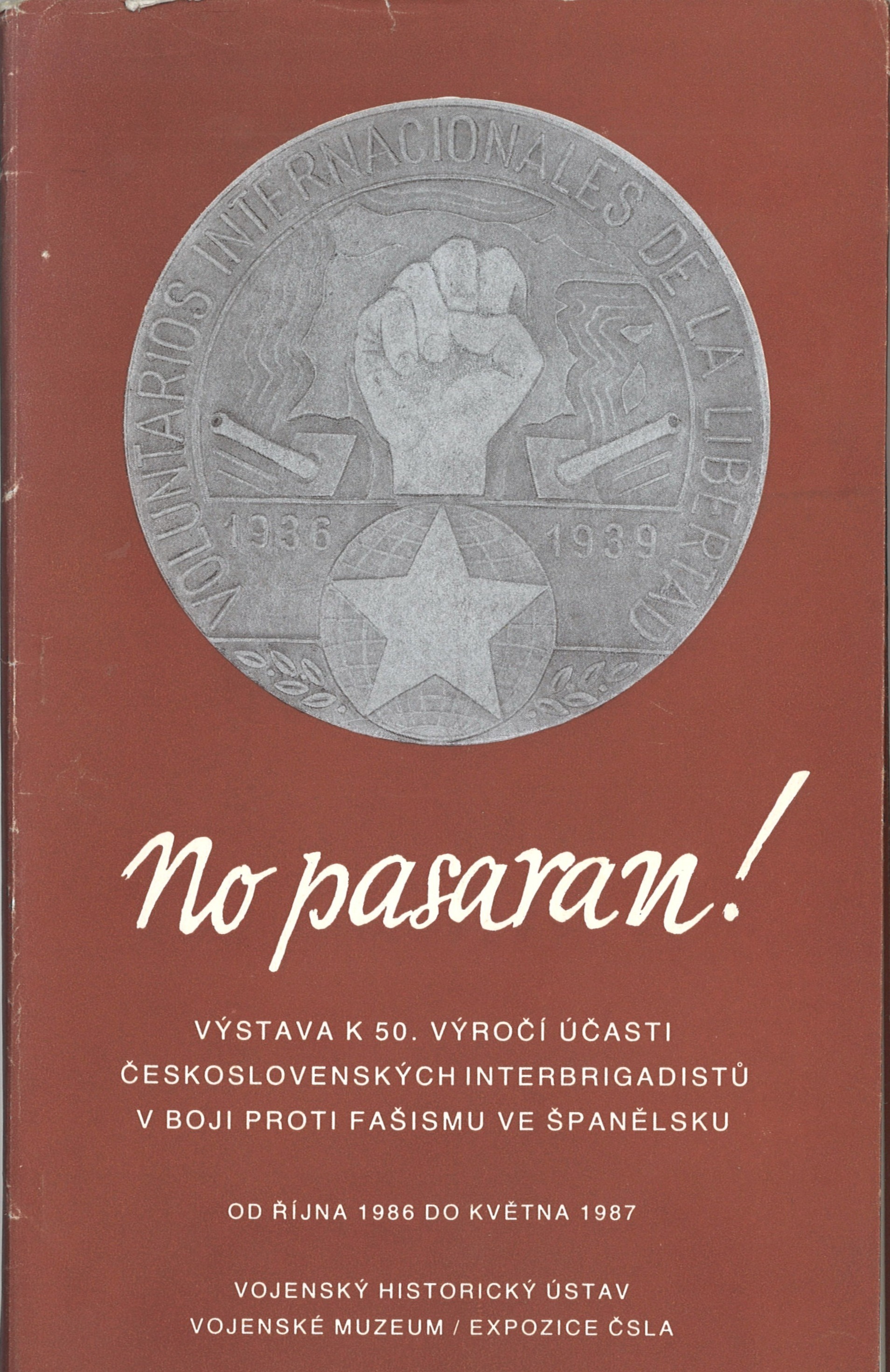
The direct recruitment of volunteers was carried out secretly, under the leadership of the Communist Party. A total of more than 2,200 Czechoslovaks (including over 400 of German and over 200 of Hungarian nationality) came to the aid of the Republic. About two-thirds of them came directly from Czechoslovakia, with the rest mainly from France and many other countries. They fought in various branches of the International Brigades and in a number of units, but they were particularly numerous in several of them. The best known were the Dimitroff and T. G. Masaryk battalions, the Jožka Májek field-, and the Klement Gottwald anti-aircraft batteries.
After 1945, the legacy of the Czechoslovak members of the International Brigades underwent several twists and turns. Initially, many of the fighters participated actively in the 1948 communist coup, and subsequently worked in the police and other feared repressive organs. Some even came to occupy important positions. Later, however, they themselves became victims of Stalinist purges, only to be cautiously rehabilitated later. In the 1960s, some of them even attained the highest political offices. Nevertheless, those who opposed or criticized the Soviet occupation in August 1968 were persecuted again. The upheavals to the memory of the International Brigades did not end with the fall of the Communist regime in 1989, and an ambiguous attitude towards their legacy persists in the Czech Republic to this day.
ZM