




Timeline
The Spanish Civil War began with the military coup of 17 July 1936, but its origins lay in pre-existing problems in Spanish society. As the Francoist dictatorship drew on a Manichean memory of the past to remain in power, the conflict’s consequences endured for decades. Here are sixty moments to guide your visit to the museum.
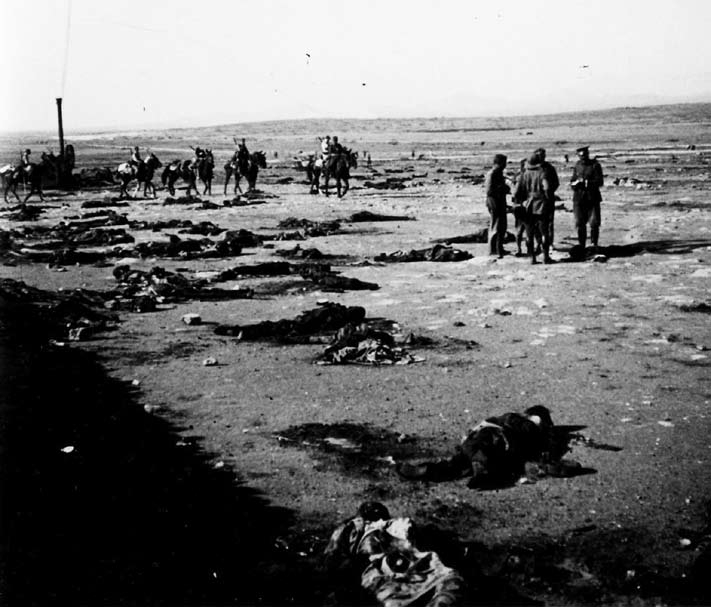
The Rif War
The Rif War occurred between Spanish troops and the Rif people of northern Morocco, commanded by Muhammad Abd el-Krim. Spain was convincingly defeated in early battles, most famously in Annual in July 1921. To counteract defeat, the section of the Spanish official corps that advocated for maintaining and expanding Spain’s colonial ambitions in Africa, the so-called Africanistas, pushed for a stronger military response. With French support and modern weaponry, Spain crushed the rebellion by 1926. Abd el-Krim surrendered, and Spain declared Morocco "pacified" in 1927.
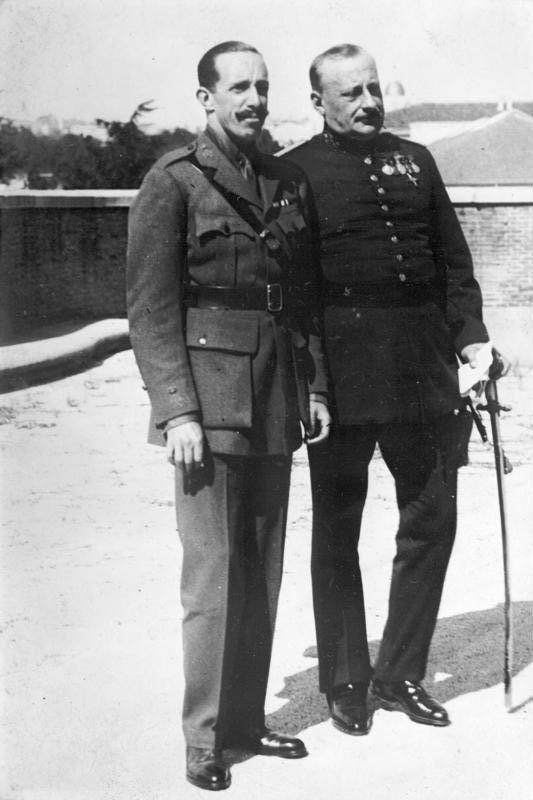
General Primo de Rivera’s Dictatorship
General Miguel Primo de Rivera seized power in a 1923 coup d’état and established a dictatorship. While some initially welcomed what they perceived as a more efficient government, his rule became increasingly unpopular due to his anti-Catalan policies and failed political reforms. Confronted with opposition from the monarchy (belatedly), the public, and the military, which attempted several failed coups d’état, Primo de Rivera stepped down from his seven-year dictatorship in 1930.
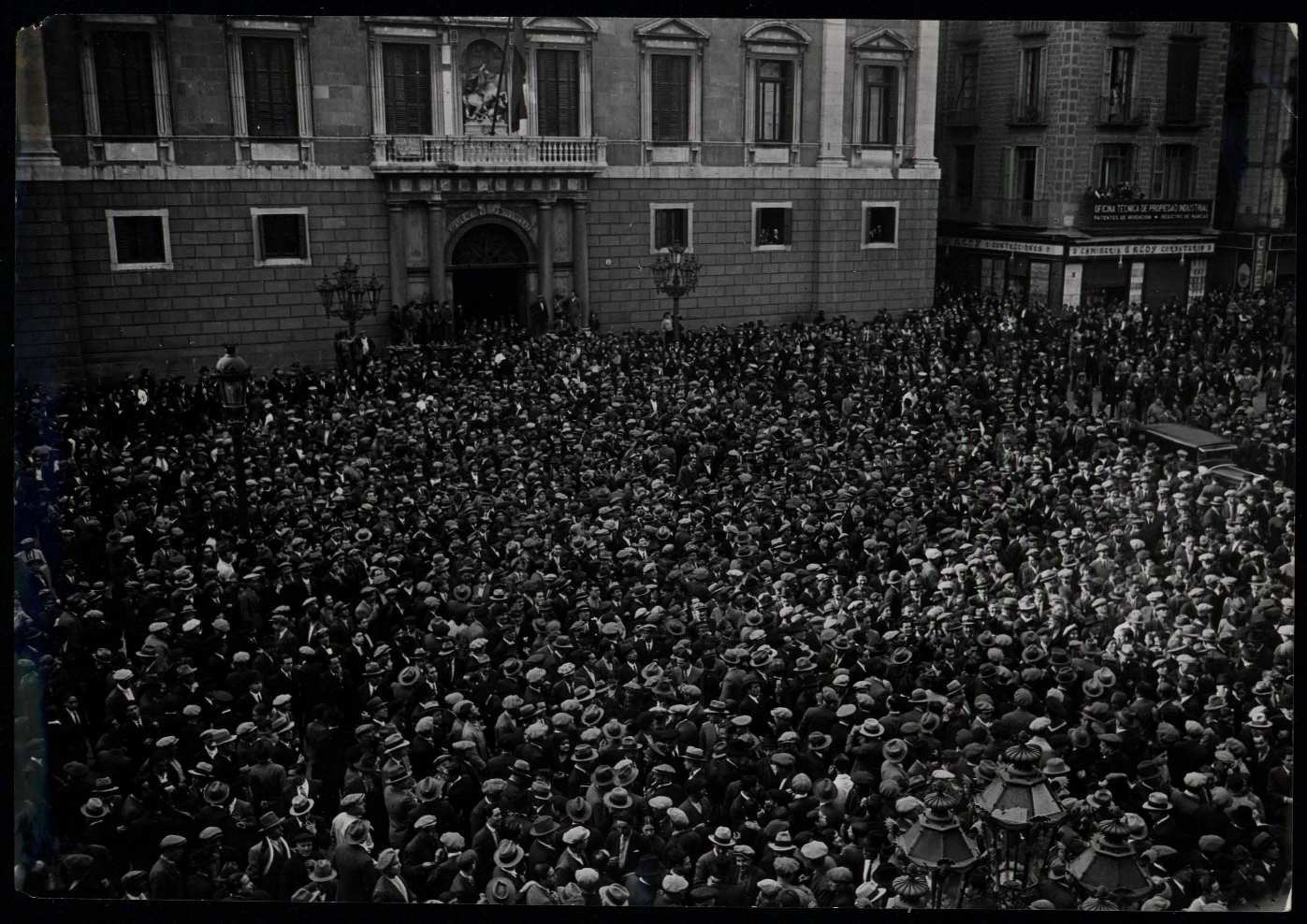
Spanish Monarchy Falls
King Alfonso XIII reigned over Spain from 1902 until his departure for Rome. Alfonso XIII faced widespread unpopularity for supporting Primo de Rivera’s dictatorship, which fuelled the Republican parties’ victory in the municipal elections on April 12, 1931. Though he never officially abdicated, his departure marked the end of the monarchy and the proclamation of the Second Spanish Republic.
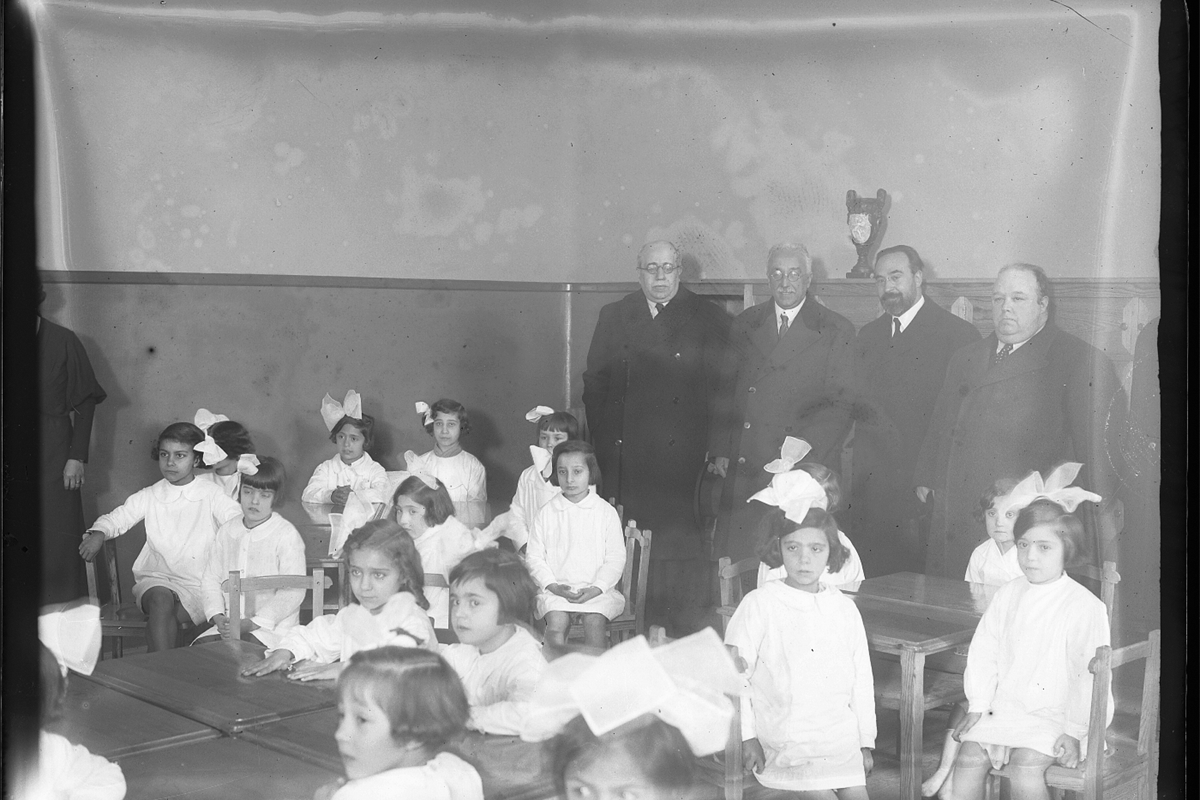
Reforms of the First Biennium
The two years of the Republic brought sweeping changes, including land and military reforms, the expansion of public, secular education, women’s suffrage, legalized divorce, and a reduction in the Church’s power. Despite this progress, strong opposition from conservative and religious groups, economic struggles, and violence, such as the Casas Viejas massacre, led to a decline in support and the fracturing of the governing coalition.
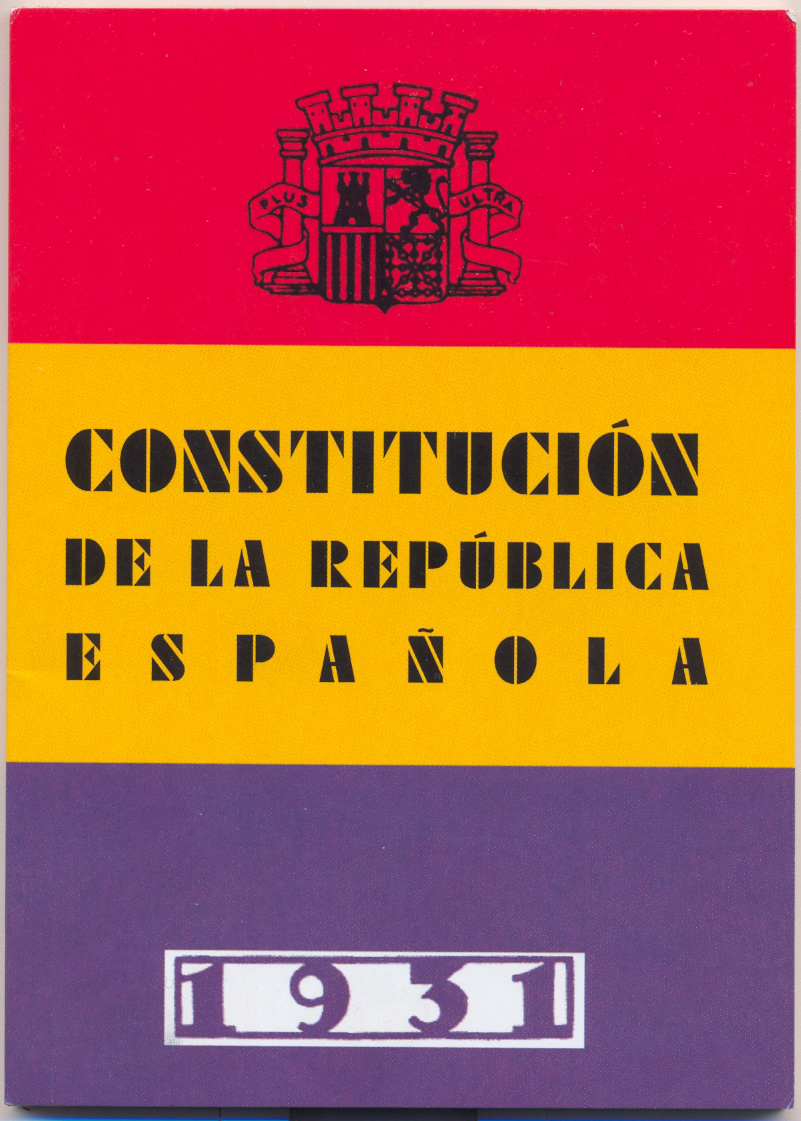
Ratification of the Constitution
The Republican government approved a new constitution that, for the first time, legalized female suffrage, civil marriage, and secular education. Articles 26 and 27 stripped the Catholic Church of its privileges, nationalized Church property, prohibited members of the religious orders from teaching, and dissolved the Jesuits. In response, Pope Pius XI and the Spanish Catholic Church protested and vowed to fight these reforms.
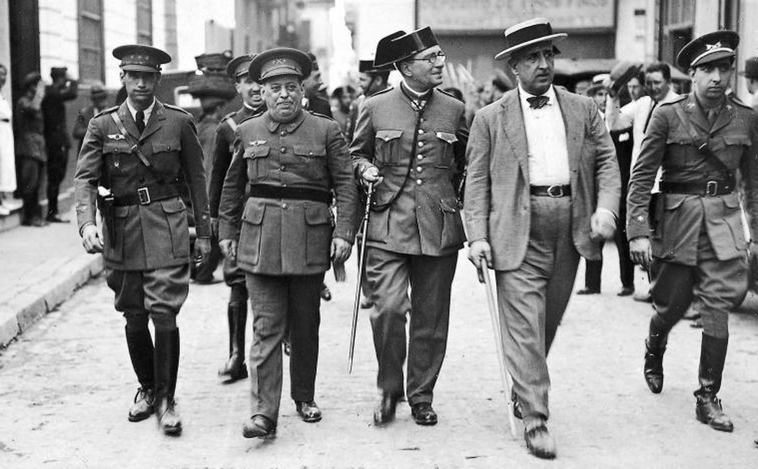
General Sanjurjo’s Failed Coup
In August 1932, from Seville, General José Sanjurjo launched a poorly planned and unsuccessful coup attempt. After being released from prison under an amnesty by the centre-right government in April 1934, he went into exile in Portugal, where he began conspiring against the Republic. He was considered the nominal leader of the July 1936 revolt.
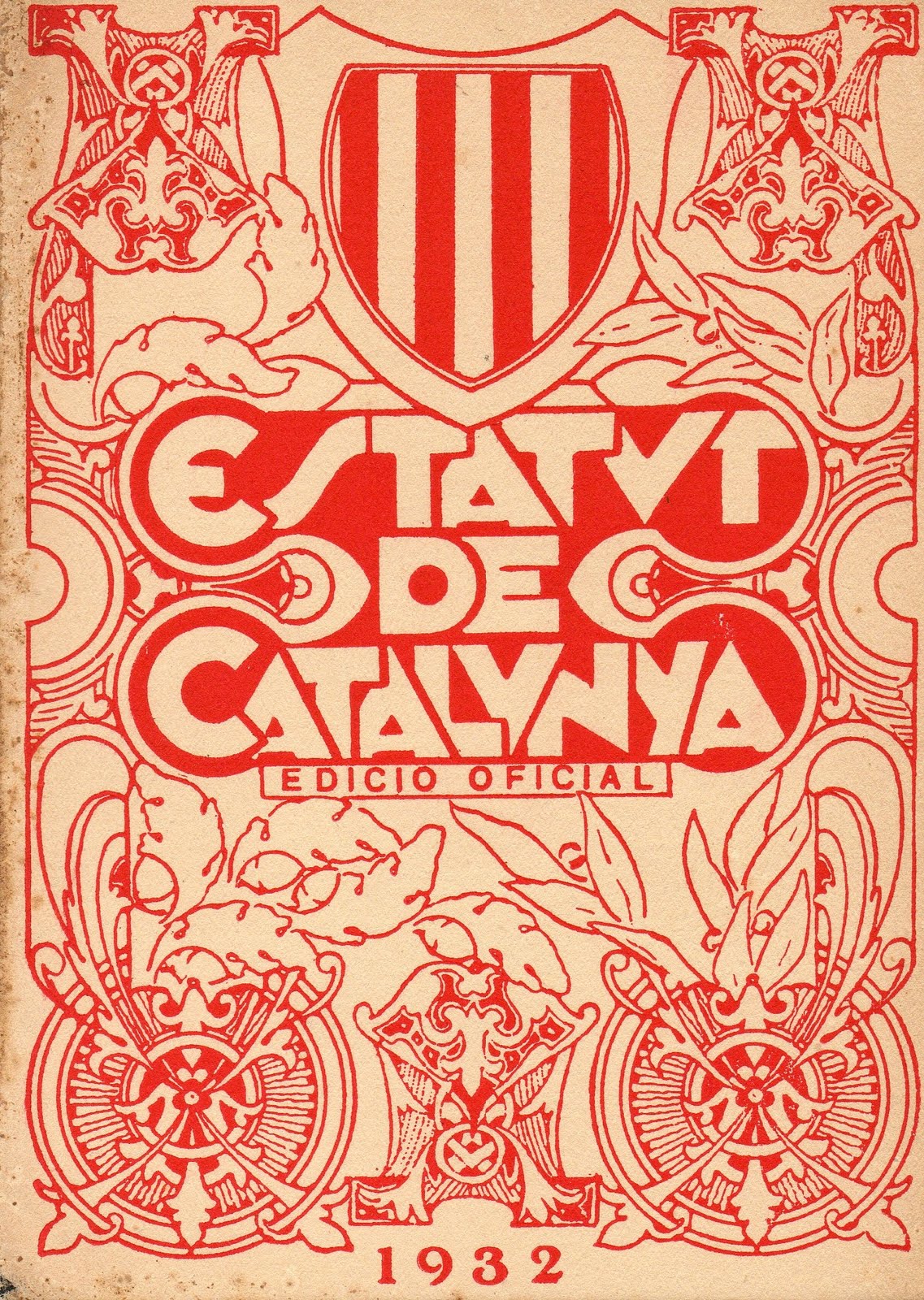
Catalonia’s Autonomous Statute
This statute established Catalonia as an autonomous region with its own government (the Generalitat) and designated Catalan as an official language in the region. Francesc Macià, leader of the Left-Nationalist Party, Esquerra Republicana de Catalunya, became the first President of the Generalitat.
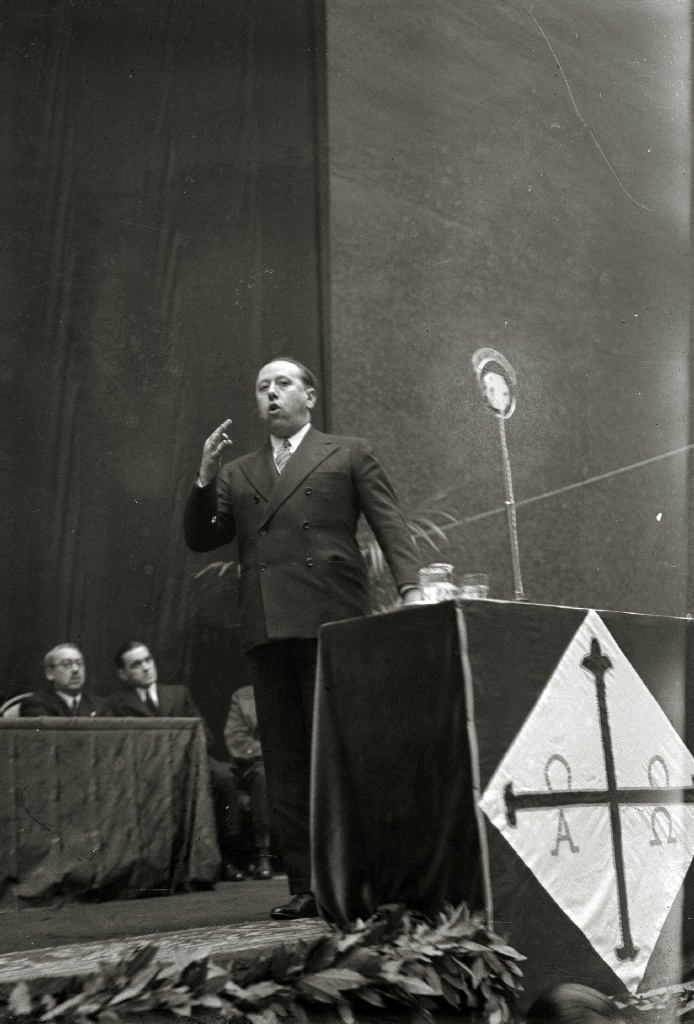
Confederación Española de Derechas Autónomas (CEDA) Established
The Confederación Española de Derechas Autónomas (CEDA) was founded by José María Gil Robles. This Catholic Conservative Party emerged from the Acción Popular Party and some forty other rightist groups. CEDA’s access to the Republican Government in October 1934 sparked leftist strikes and uprisings, including the Asturias Revolution.
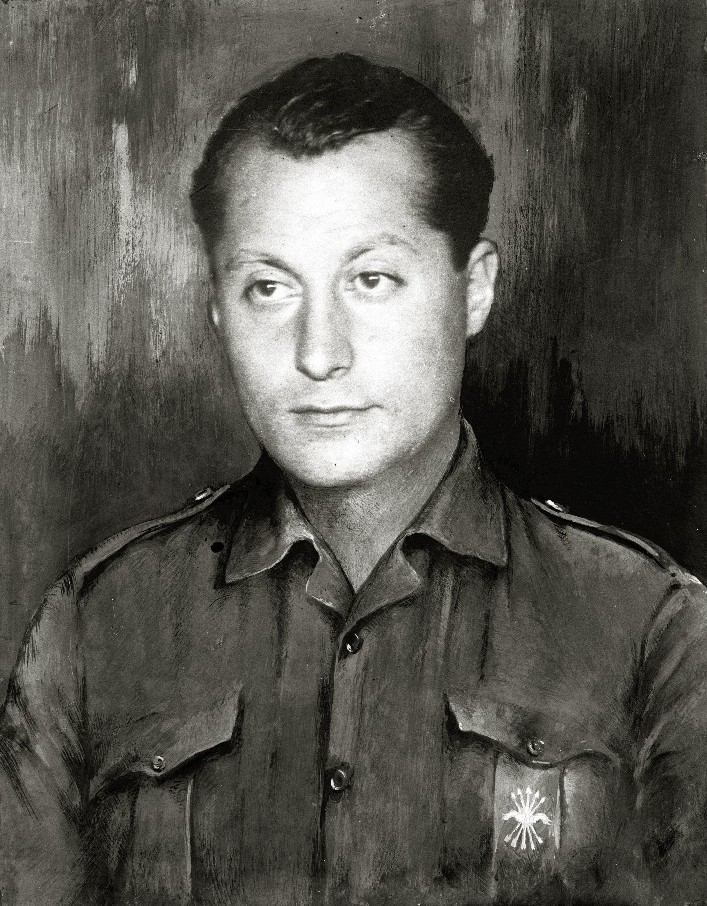
Falange Española Established
José Antonio Primo de Rivera, son of former dictator Miguel Primo de Rivera, and others established the fascist Falange Española. The Falange was influenced and financed by Italian Fascists. The Party rejected republicanism, capitalism, and Marxism, and instead advocated a nationalist state and imperial expansion. In February 1934, it merged with Juntas de Ofensiva Nacional Sindicalista (JONS).
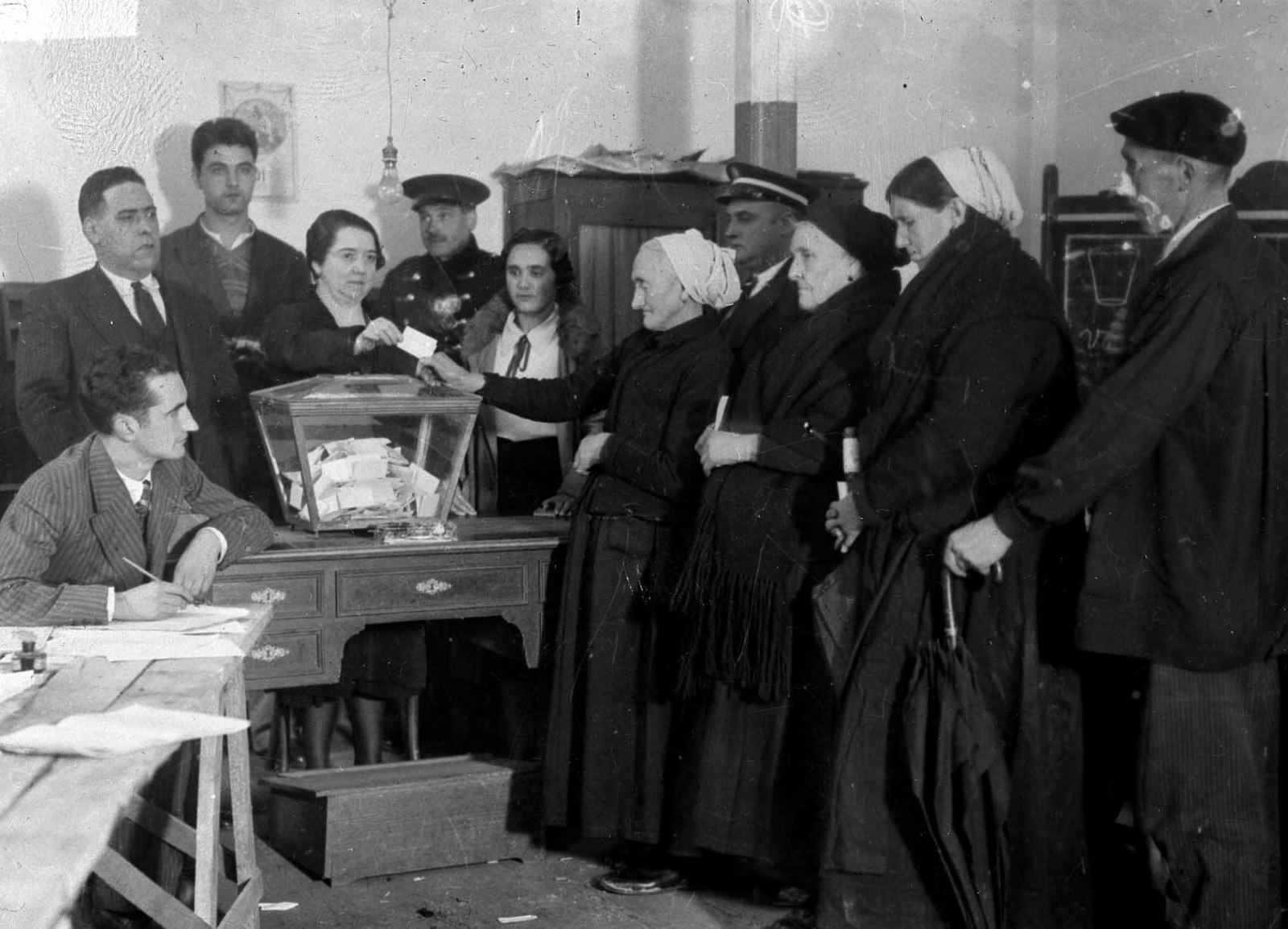
The Right Wins the National Election
The dissolution of the Republican-Socialist coalition led to elections. These were the first national elections in which women could vote. The recently created CEDA won the largest number of seats, and the centre-right Radical Party came second. However, President Alcalá Zamora called on Radical leader Alejandro Lerroux to form a government.
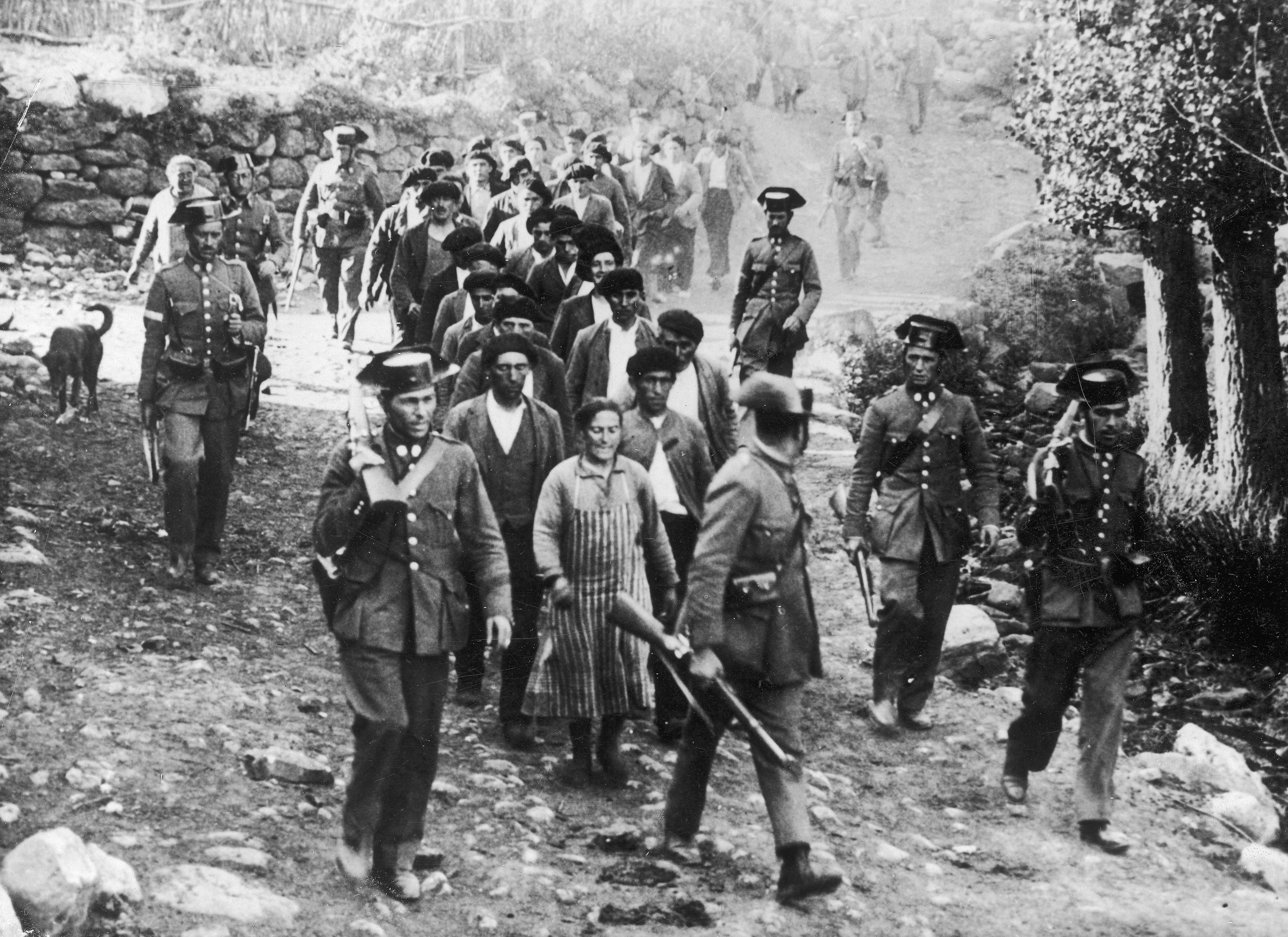
Asturias Uprising
Workers and militants, led by the socialist UGT (Unión General de Trabajadores) and the anarcho-syndicalist CNT (Confederación Nacional del Trabajo), revolted against the conservative CEDA’s entry into government, an event known as the Asturias Revolution. Simultaneously, Catalan leader Lluís Companys proclaimed a Catalan State within the Spanish Republic. Government troops, led by General Francisco Franco, brutally crushed the Asturias uprising.
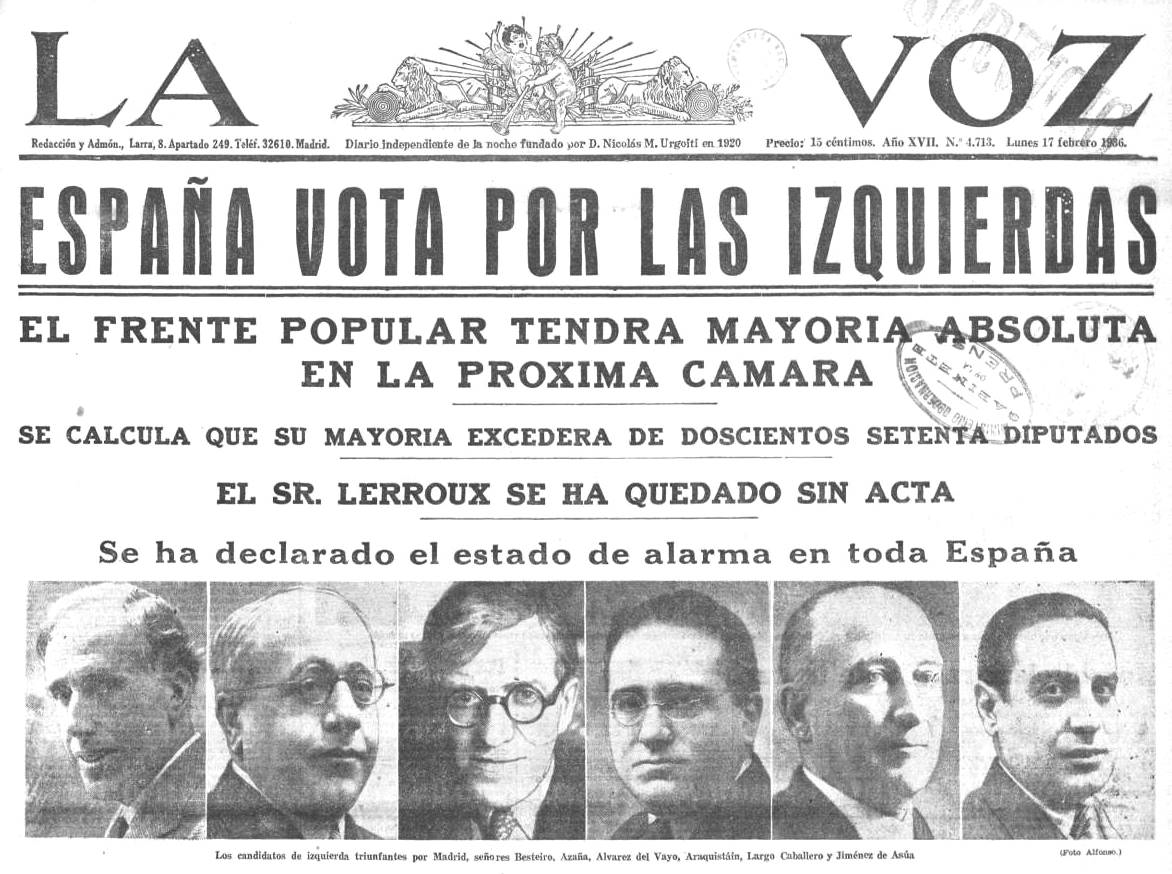
Popular Front Wins Nation Election
Spain’s last free elections until 1977 resulted in a victory for the Popular Front, a coalition of left-wing Republicans, socialists, communists, and workers’ groups. With Manuel Azaña re-assuming leadership of the country, he and his government granted amnesty to political prisoners and reinstated workers fired for union activities.
Political Violence Escalates
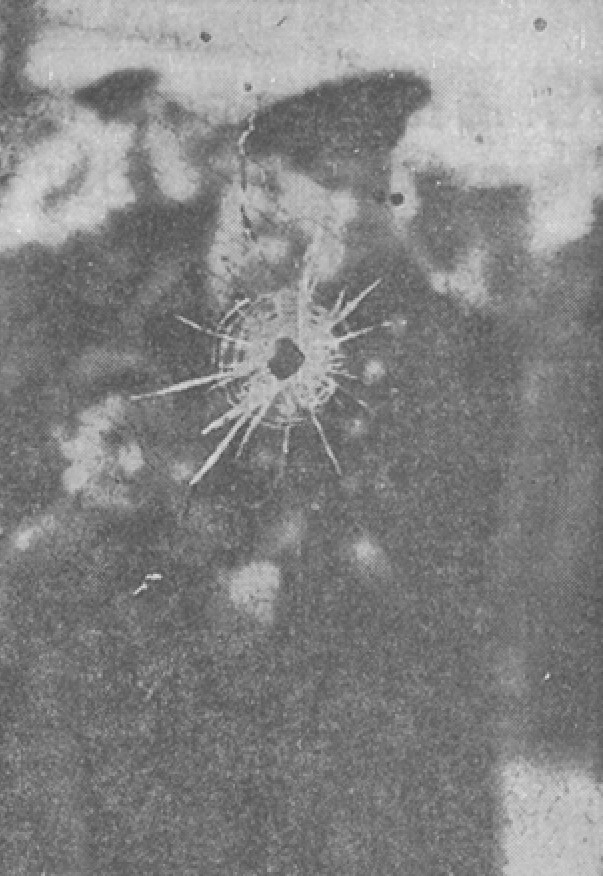
Political violence in Spain escalated sharply after the 1936 elections. Army officers, including Generals Mola and Franco, plotted a coup d’état against the Popular Front government, while the government banned the Falange because it considered it a violent fascist group. Tensions reached a boiling point on 13 July, when Republican police and socialist militants assassinated far-right leader José Calvo Sotelo.
Coup d’état Ignites the Civil War
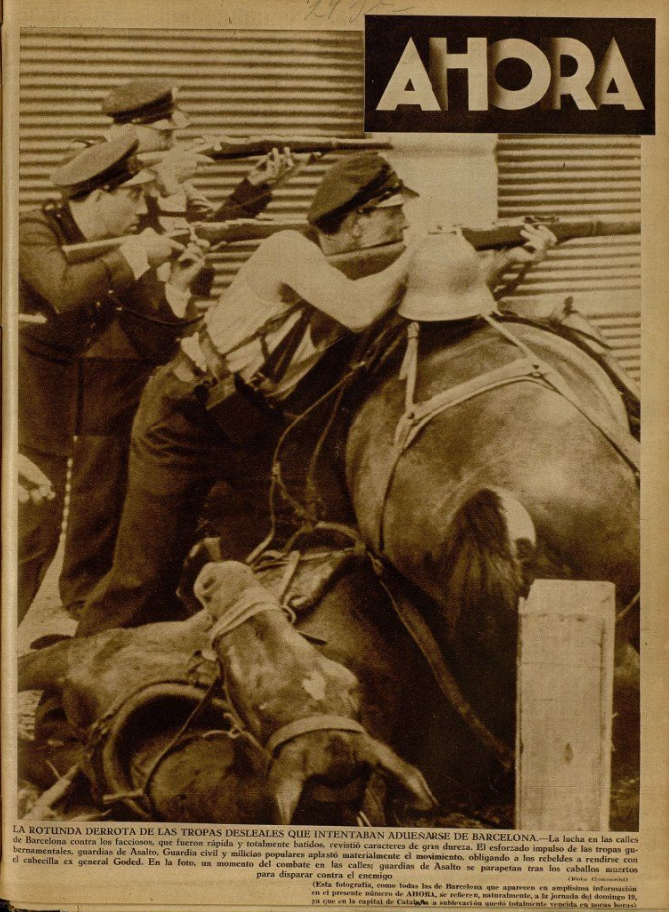
Led by right-wing Spanish military officers, rebels launched a coup d’état against the Republic in Spanish Morocco and on the mainland. Anarchists, particularly the CNT, played a key role in resisting the uprising by erecting barricades and arming workers (including women) in cities such as Barcelona.
Coup d’etat Crushed in Madrid and Barcelona
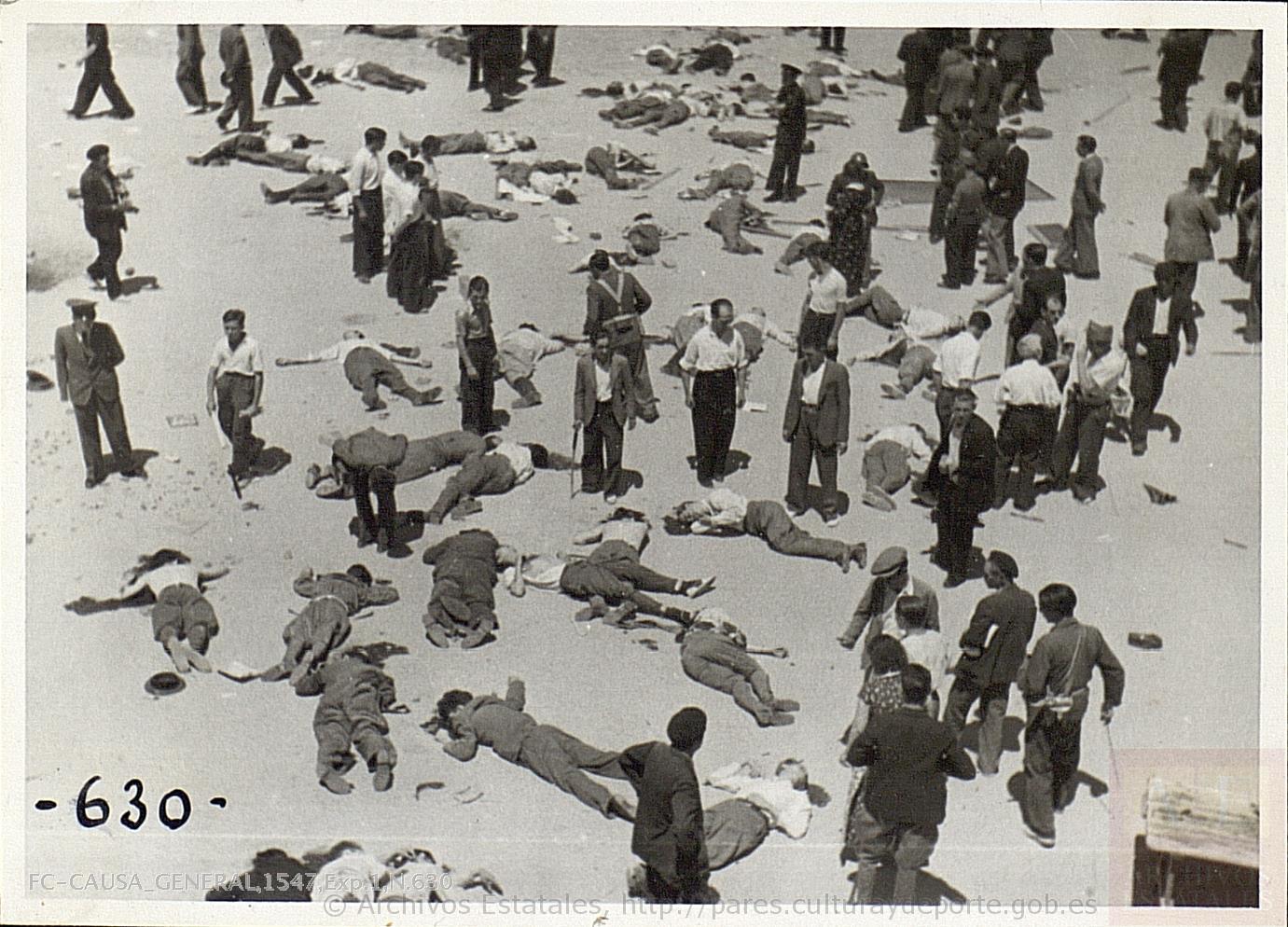
The coup d’état faltered despite initial rebel gains in Morocco, Galicia, Navarre, Old Castile, and Seville. The rebel military uprising was suppressed in Madrid and Barcelona. Anarchists seized control of Aragon and Catalonia. Rebel General Manuel Goded surrendered in Barcelona, and was later executed by the Republicans.
General Sanjurjo Dies in Plane Crash
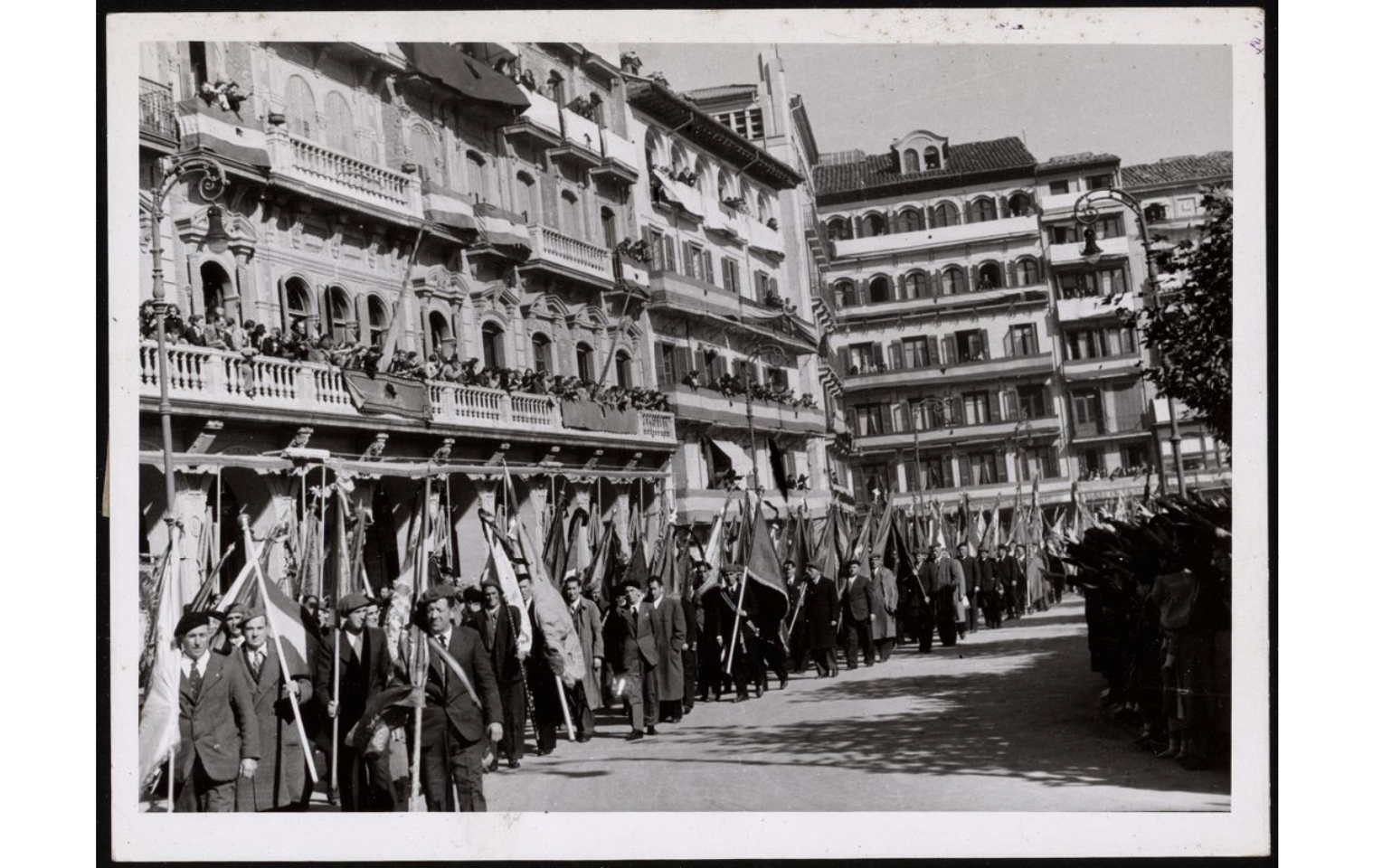
General José Sanjurjo, the main leader of the rebel coup d’état, died in a plane crash while flying from Portugal to Spain. His death, caused by an “overloaded” aircraft, allowed General Franco to consolidate his sole leadership of the rebels.
Junta de Defensa Nacional Established
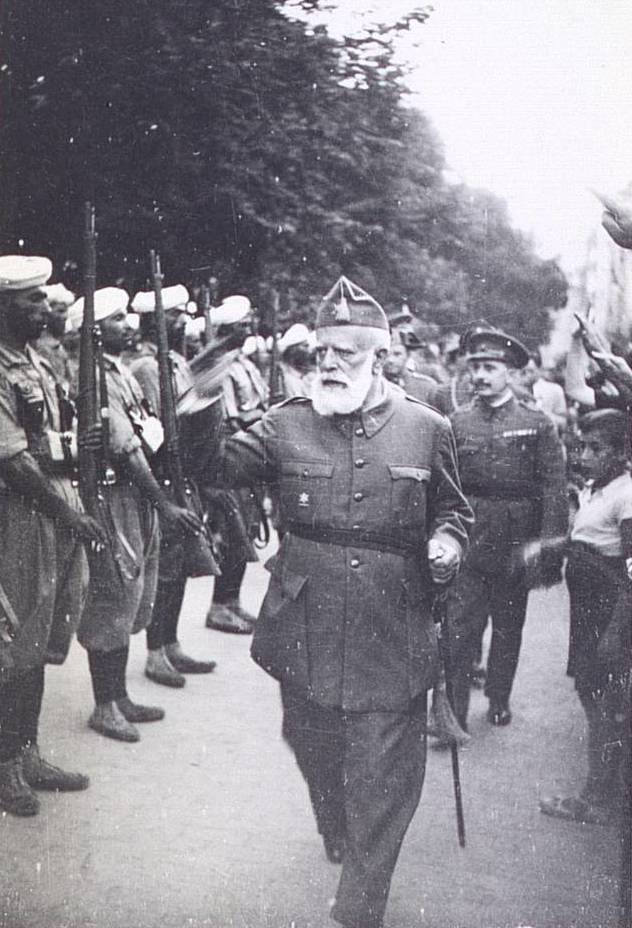
In Burgos, rebel generals convened to form the Junta de Defensa Nacional (National Defence Junta). It was initially led by General Miguel Cabanellas and included key rebel generals, including Emilio Mola and Fidel Dávila. The Junta lasted until late September, when Franco was proclaimed Generalissimo.
Operation Magic Fire - Axis Powers Aid Franco
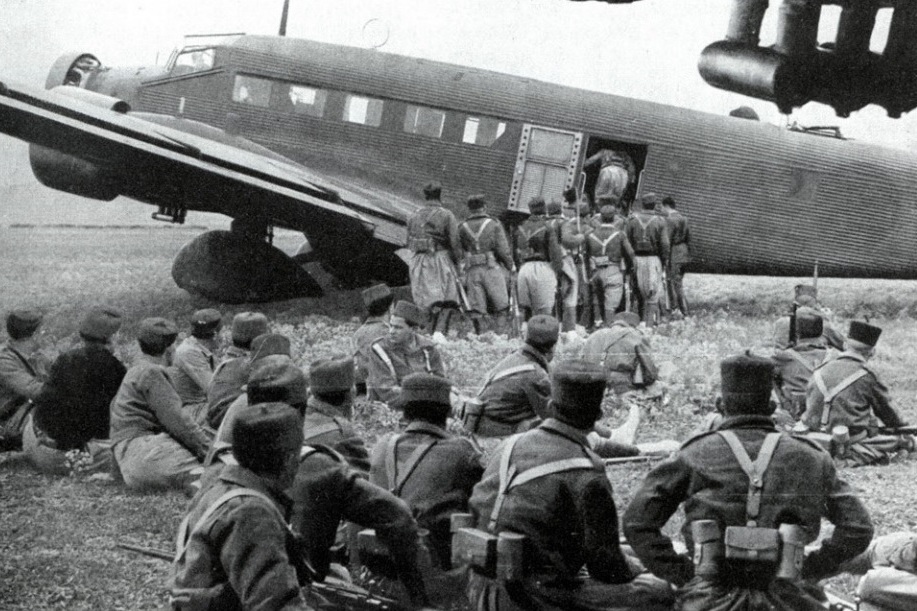
Adolf Hitler’s Operation Magic Fire (Feuerzauber) deployed Junkers Ju 52 transport planes to airlift General Franco’s Army of Africa to Spain. Italy followed by sending Savoia-Marchetti bombers and Fiat fighters. Axis intervention was crucial to Franco and his Army of Africa reaching the Iberian Peninsula.
Non-Intervention Agreement
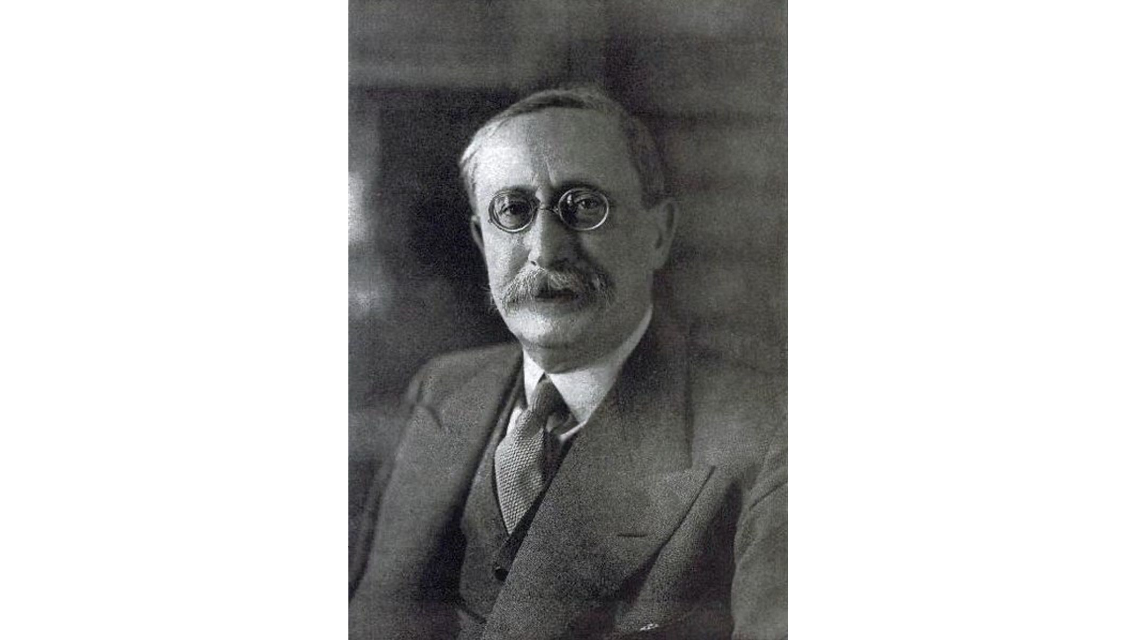
With British support, France proposed to the League of Nations a Non-Intervention Agreement that banned military aid to all belligerent parties during the Spanish Civil War. The agreement aimed to prevent a broader European conflict. Twenty-seven European countries, including Germany, Italy, and Portugal, signed the agreement even as they continued to provide military support to the rebels.
Badajoz Massacre
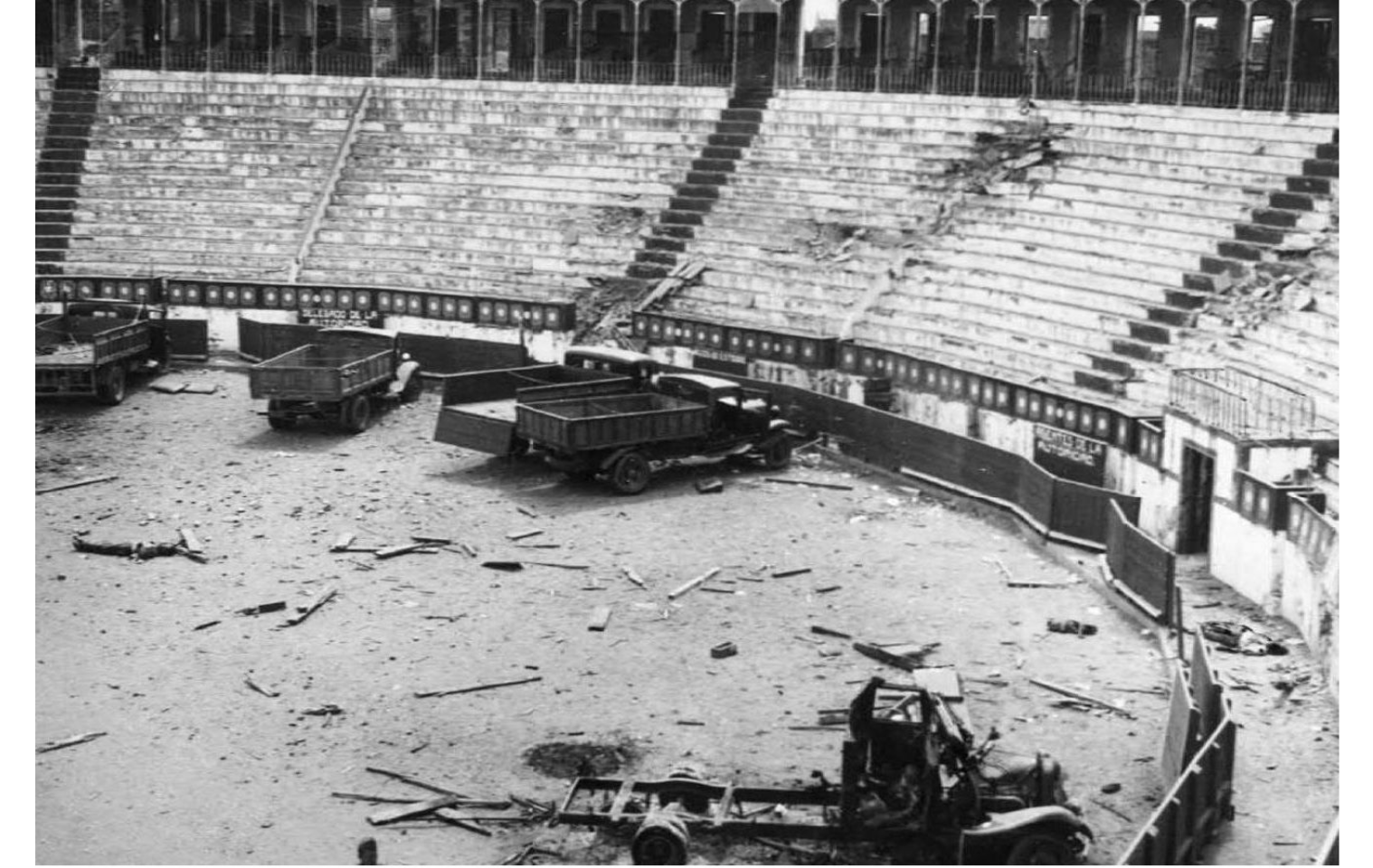
After intense fighting between the two sides, rebel forces under Lt. Col. Juan Yagüe captured Badajoz. Following the city’s fall, rebel forces rounded up and immediately shot approximately 1,000 civilians, then massacred an estimated 2,000–4,000 further civilians and Republican fighters, many in the city’s bullring.
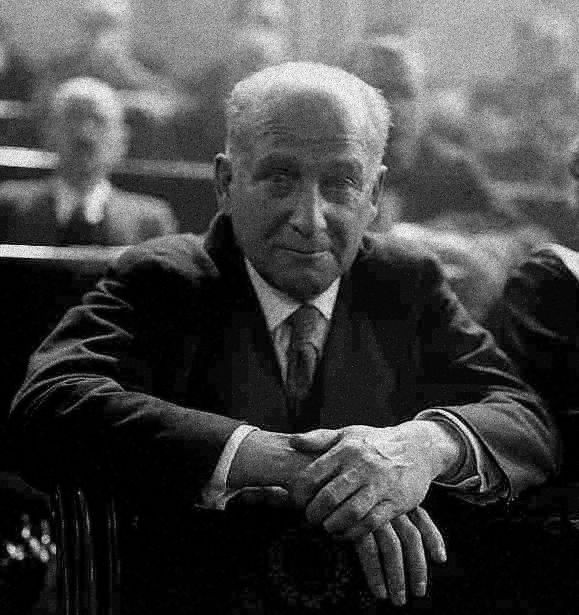
Francisco Largo Caballero Becomes the Republican Prime Minister
Francisco Largo Caballero became Prime Minister of the Spanish Republic, leading a broad Popular Front government. He aimed to unify leftist factions, including republicans, socialists, anarchists, and communists, against Franco and his rebels.
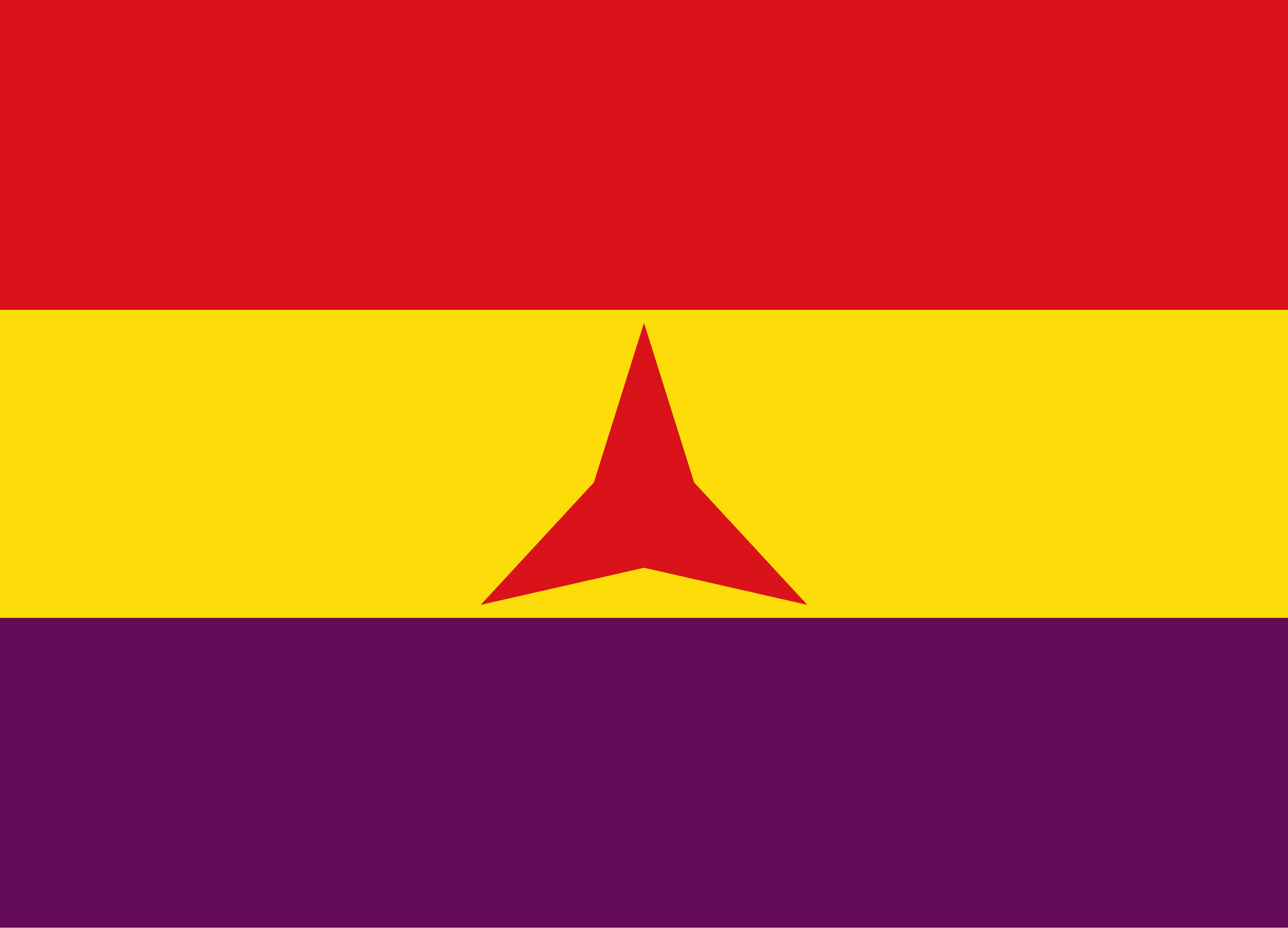
The International Brigades’ Formation and Arrival in Spain
The International Brigades of the Comintern (Communist International) arrived in Spain to support the Republic. The brigades comprised 35,000 volunteers from over 50 countries and were organized into seven brigades, including the Mackenzie-Papineau, Abraham Lincoln,and Commune de Paris battalions.
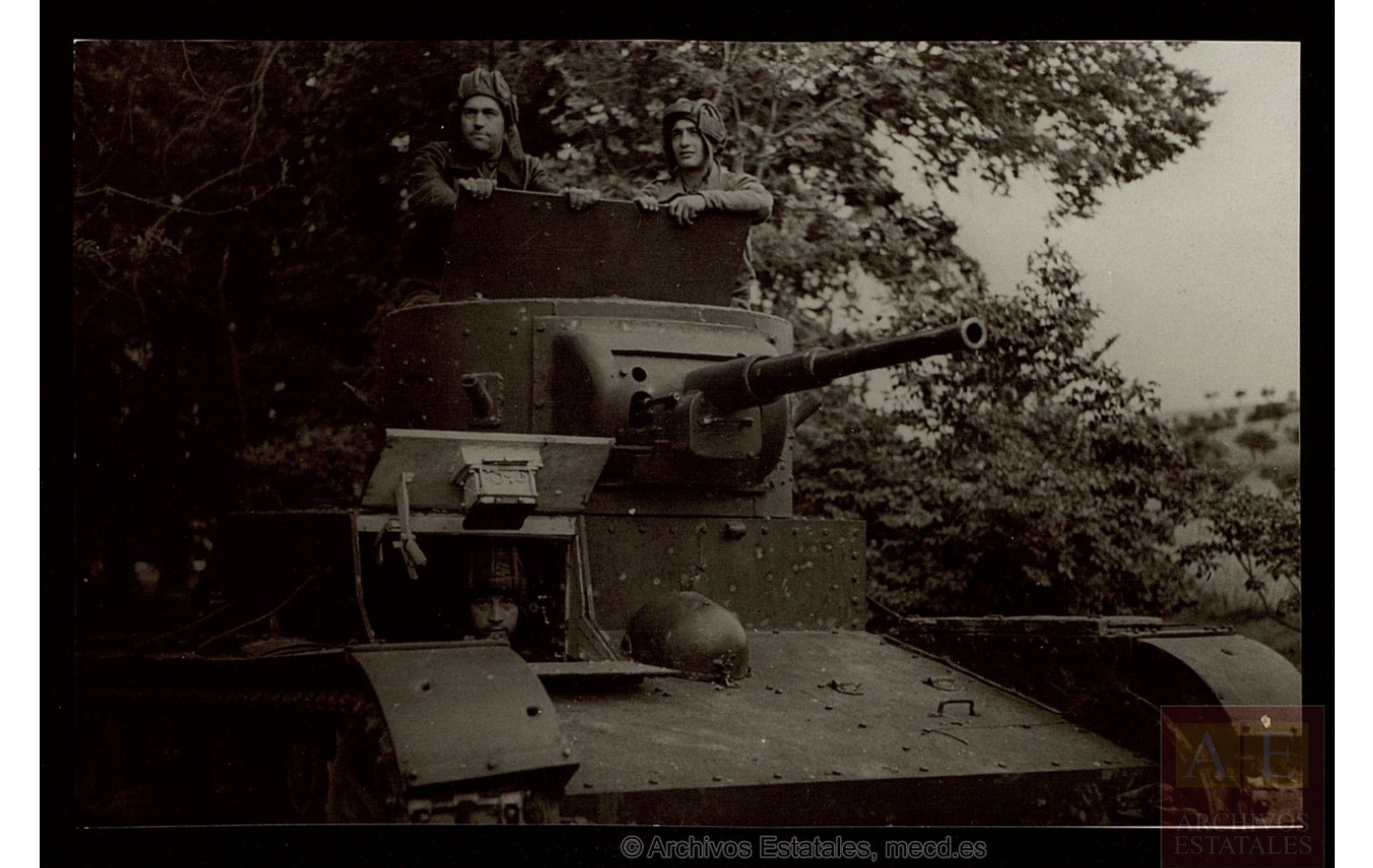
Initial Soviet Intervention in the Spanish Civil War
Stalin authorized Soviet intervention in the Spanish Civil War, supplying the Republic with arms, tanks, aircraft, and military advisors. Soviet aid began arriving in October 1936 and was intended to counterbalance German and Italian support for Franco’s rebels. The Republican government financed this assistance by transferring the Bank of Spain’s gold reserves to the Soviet Union.
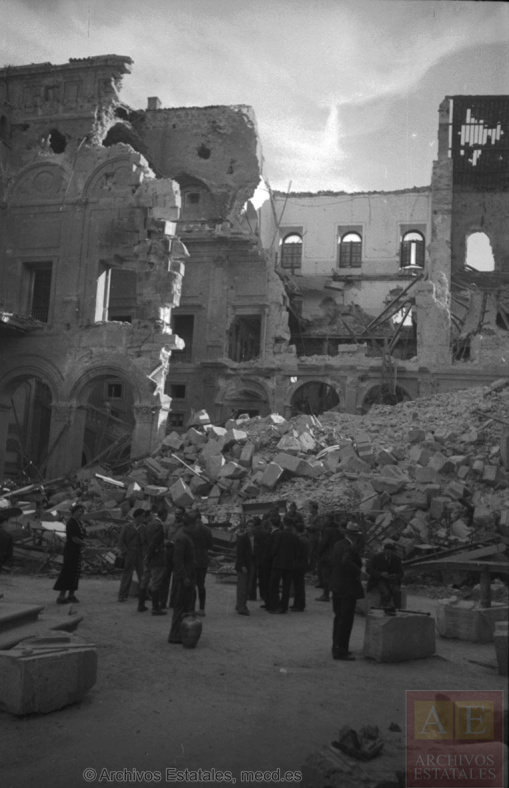
Franco’s Army of Africa Reaches the Alcázar of Toledo
After a brutal two-month siege by the Republicans, Franco’s Army of Africa reached the Alcázar of Toledo. The defenders became symbols of Rebel strength and resistance. Franco’s diversion of troops to Toledo secured him a propaganda victory; however, it prolonged the war by delaying his advance on Madrid.
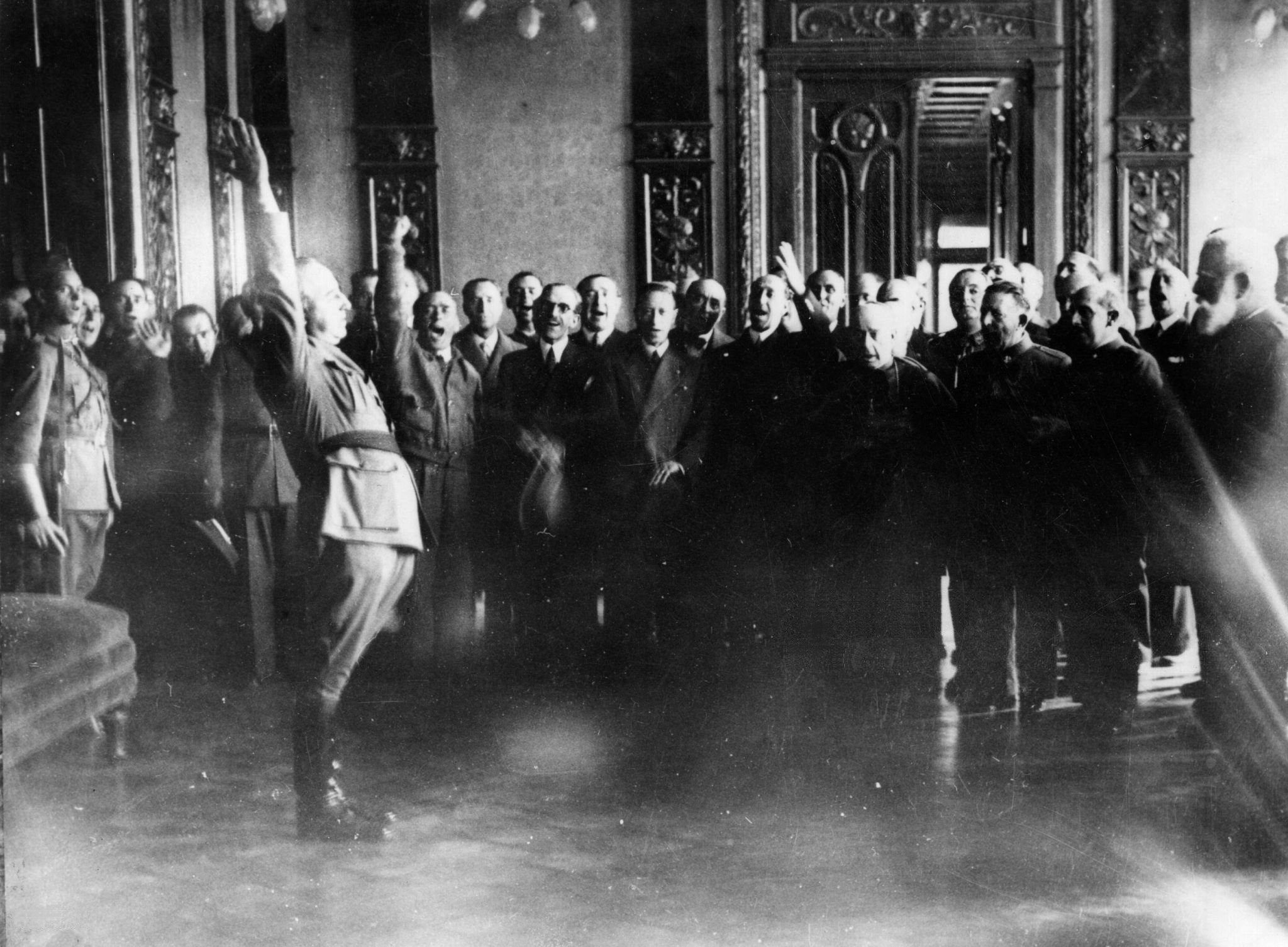
Francisco Franco Named Generalísimo and Caudillo
General Francisco Franco was formally named Generalísimo and Head of the Government and of State (Caudillo). This consolidated Franco’s leadership among the rebels and marked the informal beginning of his dictatorship. Franco created and led a conservative authoritarian state that endured until his death in 1975.
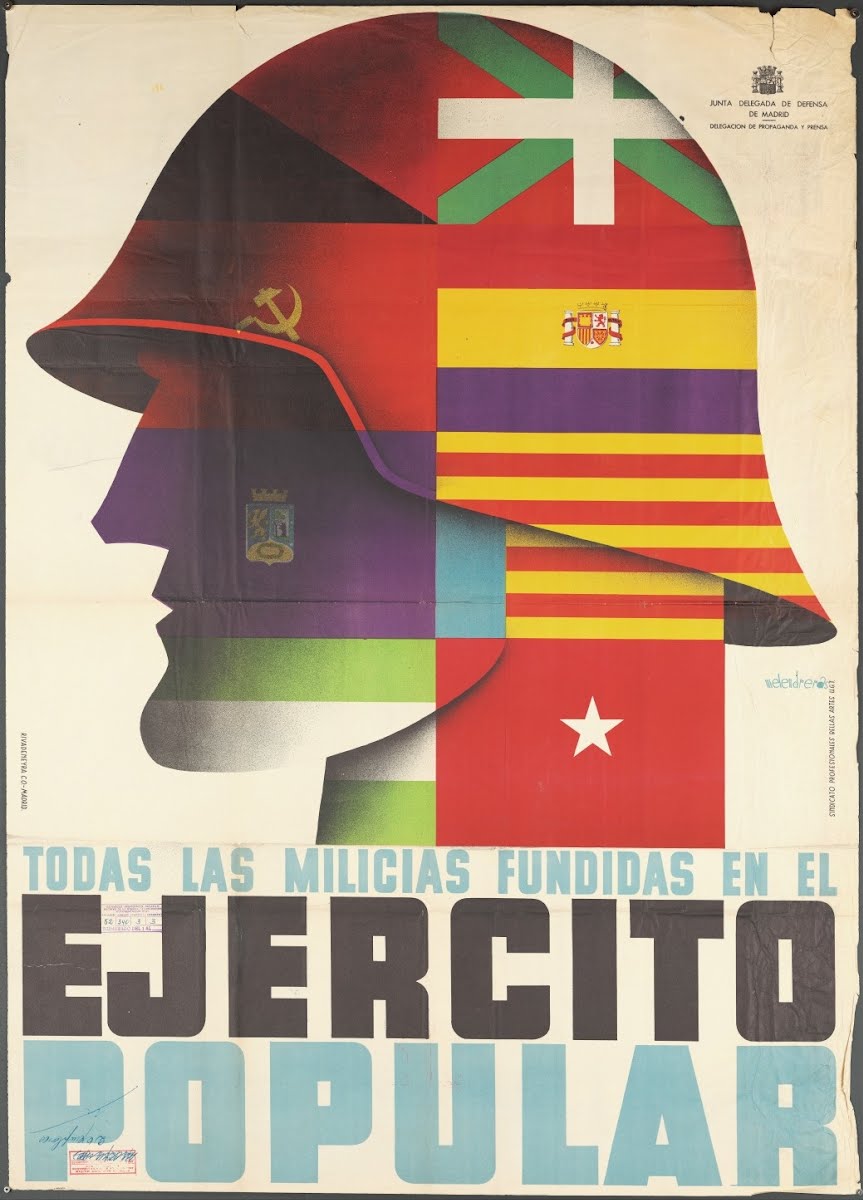
Popular Army Created
As the war dragged on, the Largo Caballero government announced the creation of the Popular Army, a new regular army that would absorb the worker and political party militias. The government of Catalonia created its own Popular Army in December 1936.
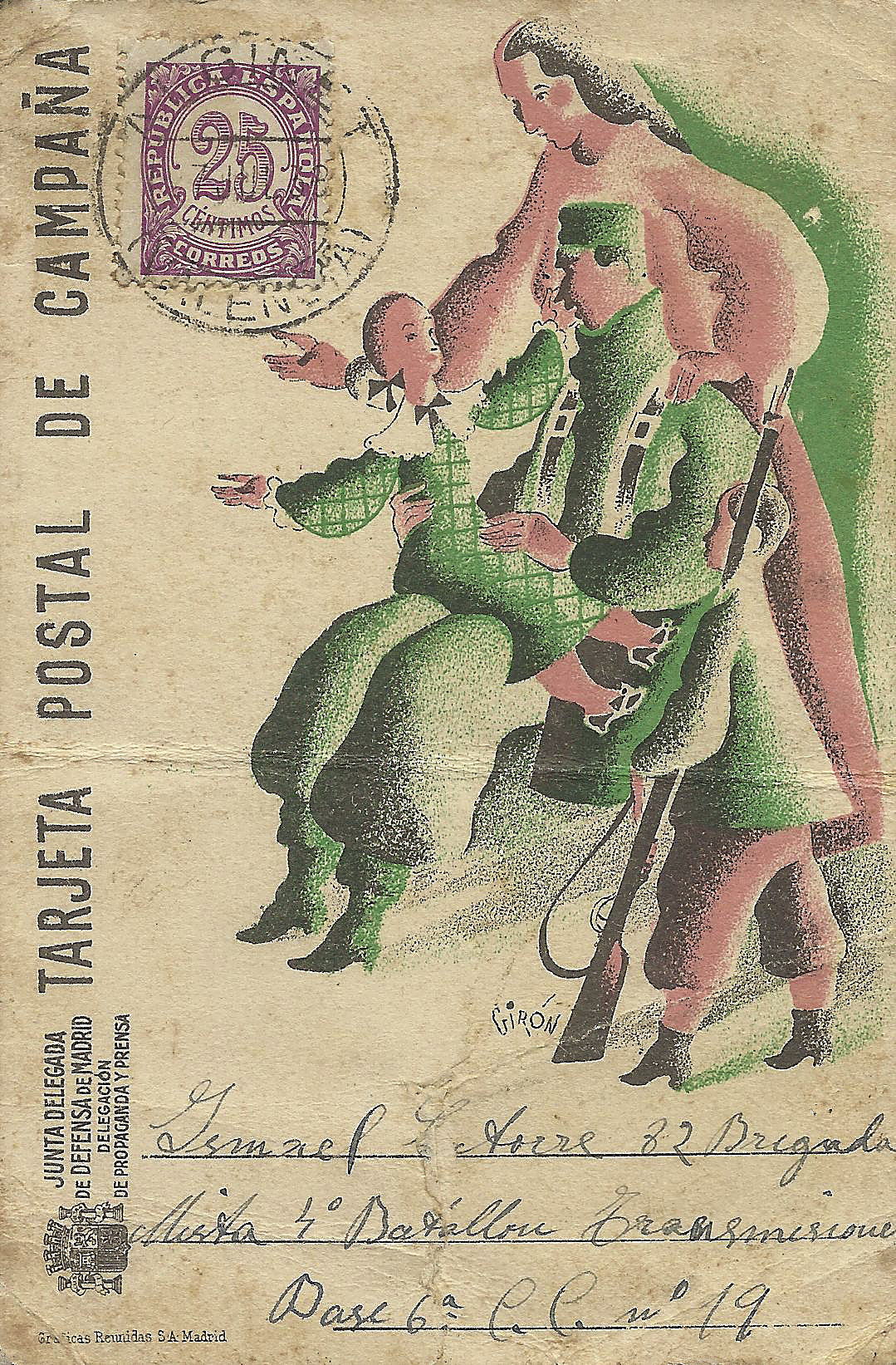
Madrid’s Government leaves for Valencia
With Madrid besieged, Largo Caballero moved the Republican government from Madrid to Valencia. It remained in Valencia until October 1937, when it relocated to Barcelona. The government established a Junta de Defensa (Defence Council), headed by General José Miaja and composed of representatives of all the political parties supporting the Popular Front, with orders to defend the capital “at all costs”.
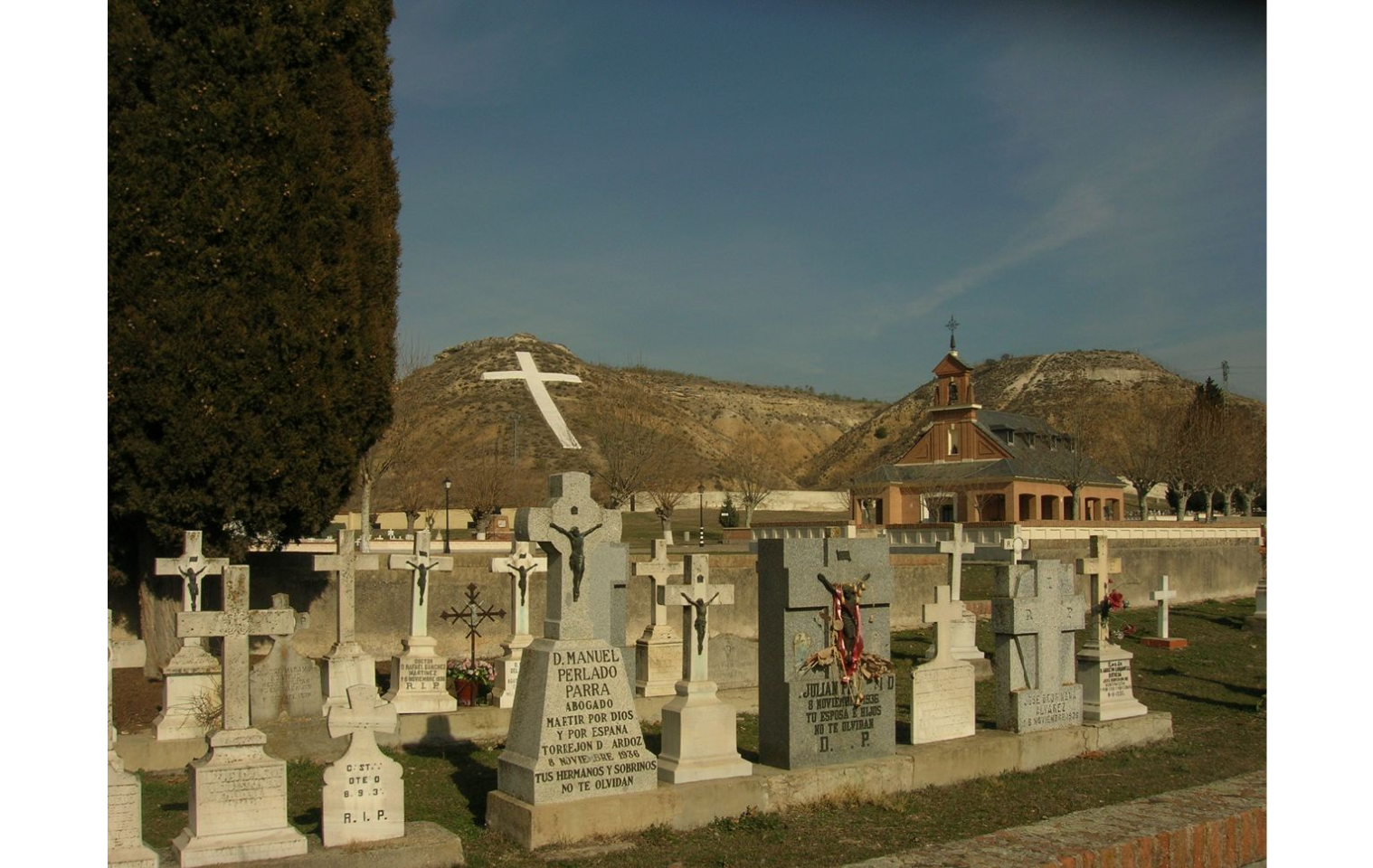
Mass Executions at Paracuellos del Jarama (Madrid)
With Madrid under siege and possibly about to fall to the rebels, some of the leaders of the National Defence Council, especially the Communists, decided to eliminate right-wing prisoners. Pretending to send them to the rearguard, they instead sent the prisoners to Paracuellos del Jarama, where at least 2,500 were executed and dumped into mass graves.
Battle of Madrid Begins
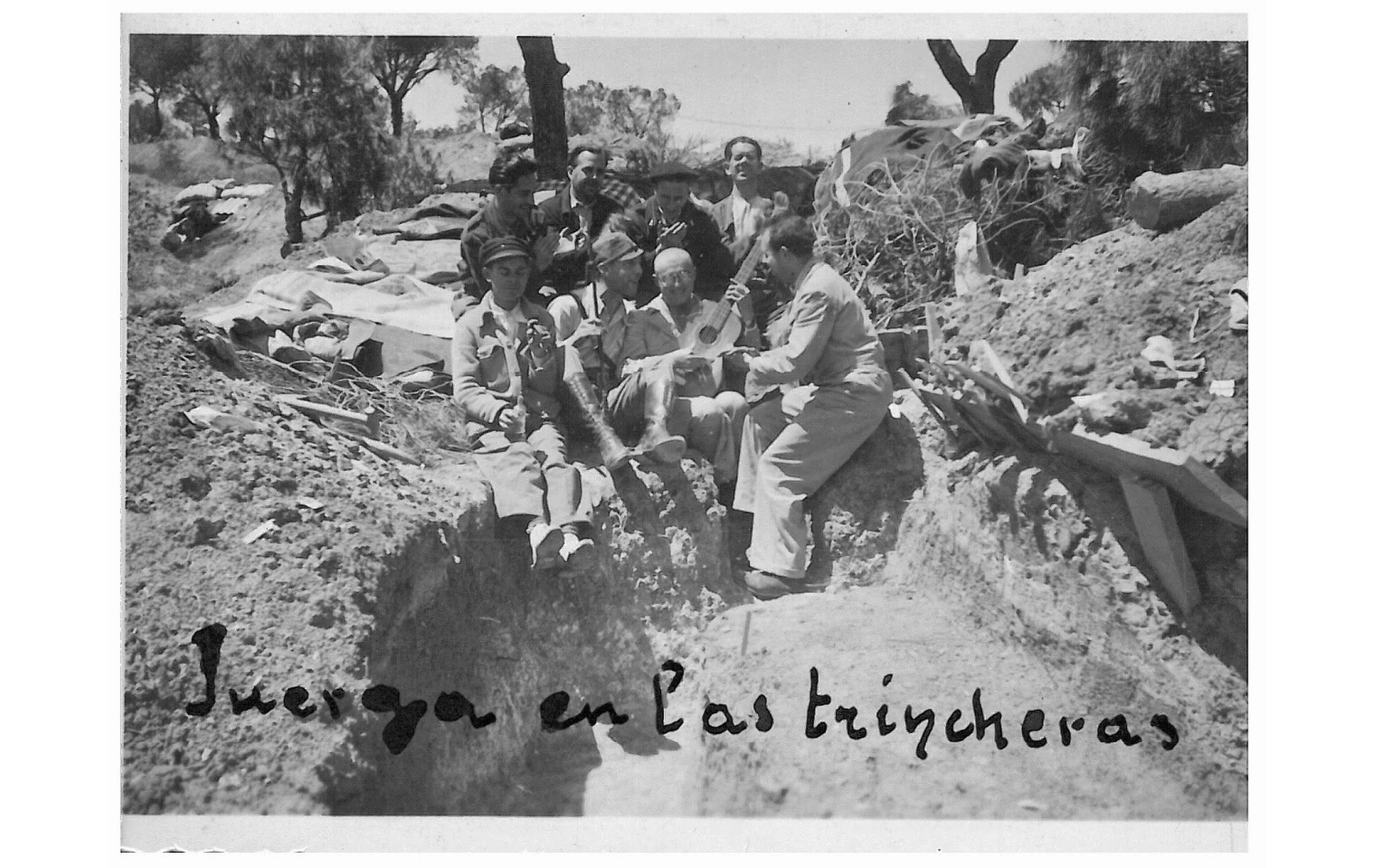
Rebel troops launched the initial ground assault on Madrid, capturing bridges and advancing into Casa de Campo Park and University City. Republican forces suffered heavy casualties, but with the arrival of the International Brigades on November 8, 1936, and support from the anarchist Durruti Column, they held the line. Fierce house-to-house fighting ensued, but Madrid held out.
Battle of Jarama
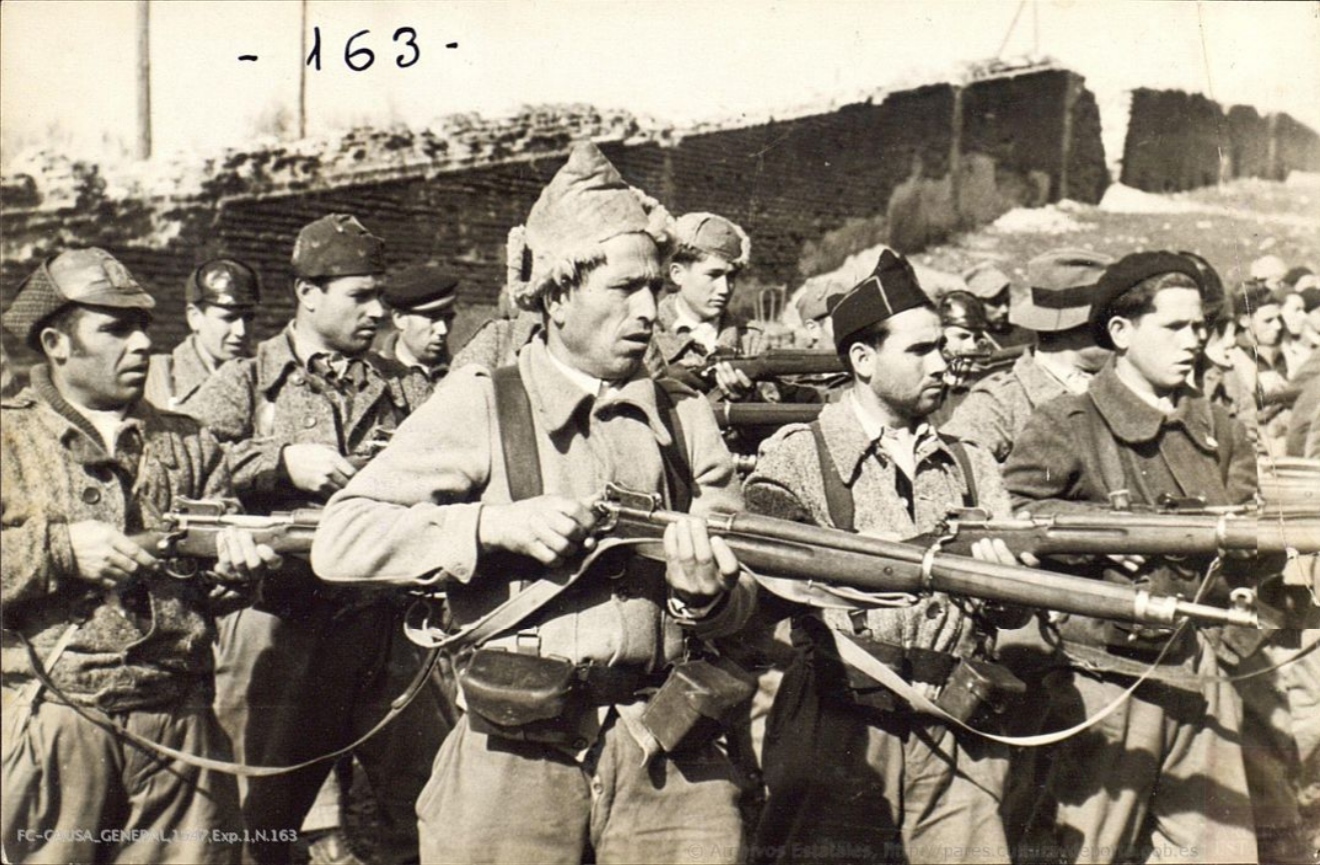
This was a significant rebel effort to sever the Valencia-Madrid highway, thereby separating Madrid from the site of the Republican Government in Valencia. Although the rebels initially crossed the Jarama River, heavy losses on both sides ultimately resulted in a deadlocked battle.
Fall and Mass Exodus from Málaga
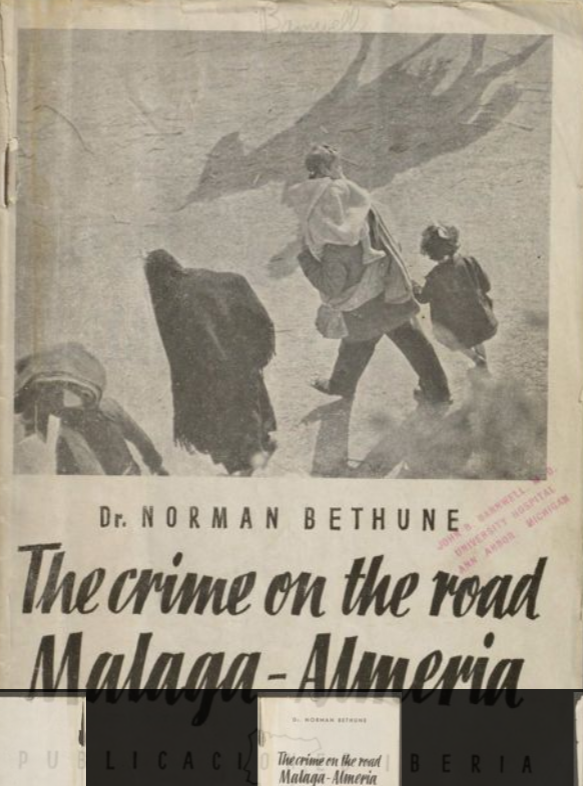
When Málaga fell to the rebels, tens of thousands of people fled chaotically along the coastal highway toward Almería. This exodus is known as the “Desbandá”. Throughout the two-hundred-kilometre trek, the exhausted and famished civilians were attacked by rebel planes and warships. The exact number is unknown, but estimates place the civilian death toll between 3,000 and 5,000.
Battle of Guadalajara
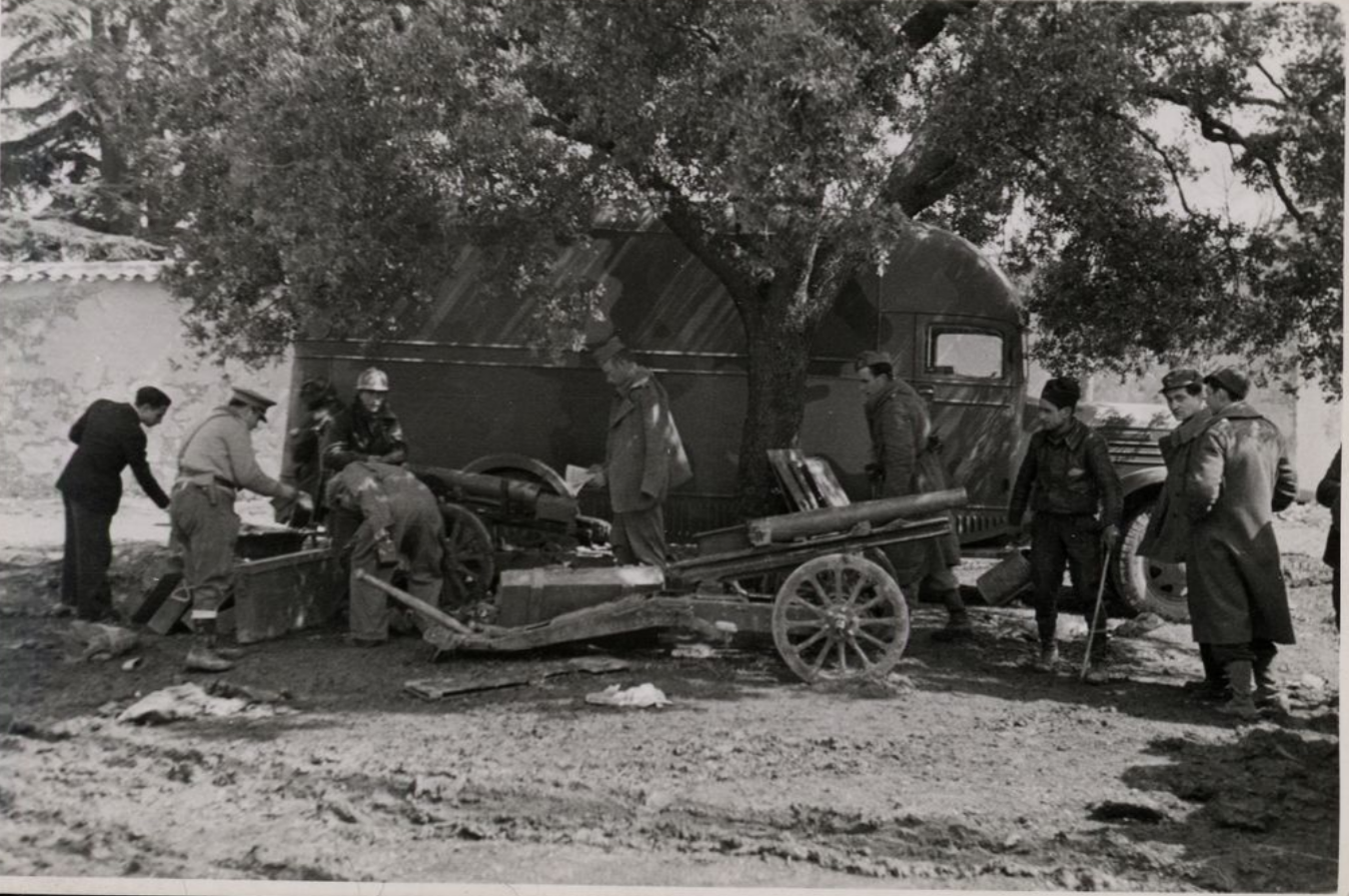
Italian Fascist and rebel forces launched an offensive at Guadalajara to encircle Madrid. Despite their initial success, Republican forces, supported by Soviet tanks, air superiority, and the Italian anti-Fascist Garibaldi Battalion, counterattacked and forced a rebel retreat. The battle marked a humiliating defeat for Mussolini’s Corpo Truppe Volontarie and boosted Republican morale.
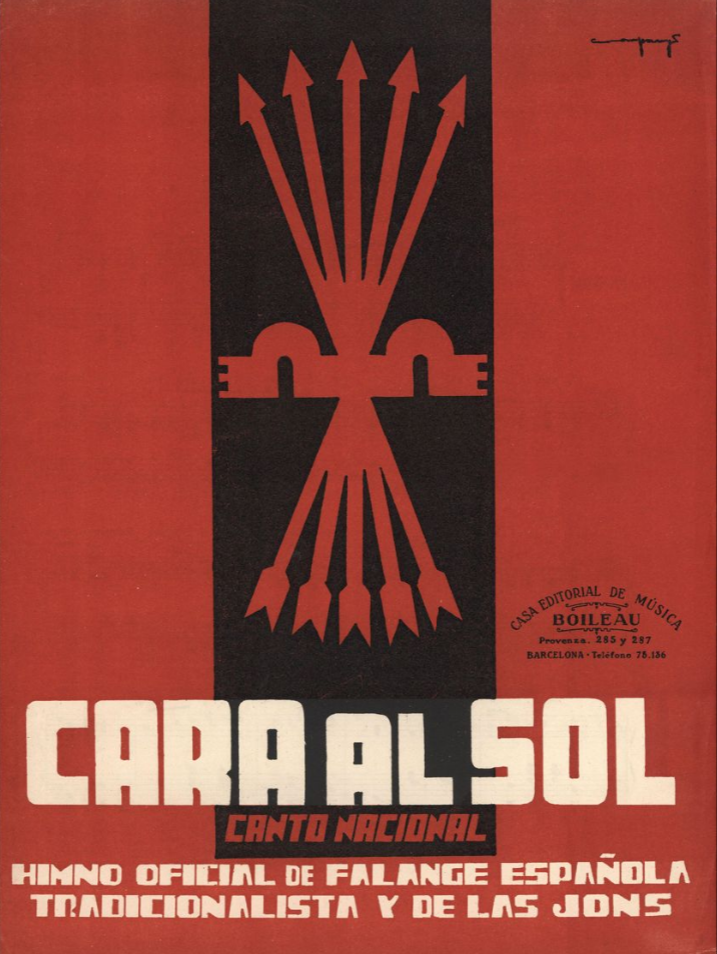
FET and JONS Merge
Franco merged the Fascist Falange Española (Spanish Falange) and the Carlist Traditionalist Communion into the Falange Española Tradicionalista y de las Juntas de Ofensiva Nacional Sindicalista (FET y de las JONS) on April 19, 1937. This unification into a single party marginalized rival leaders and factions, thereby consolidating Franco’s control as the new Jefe Nacional (National Chief).
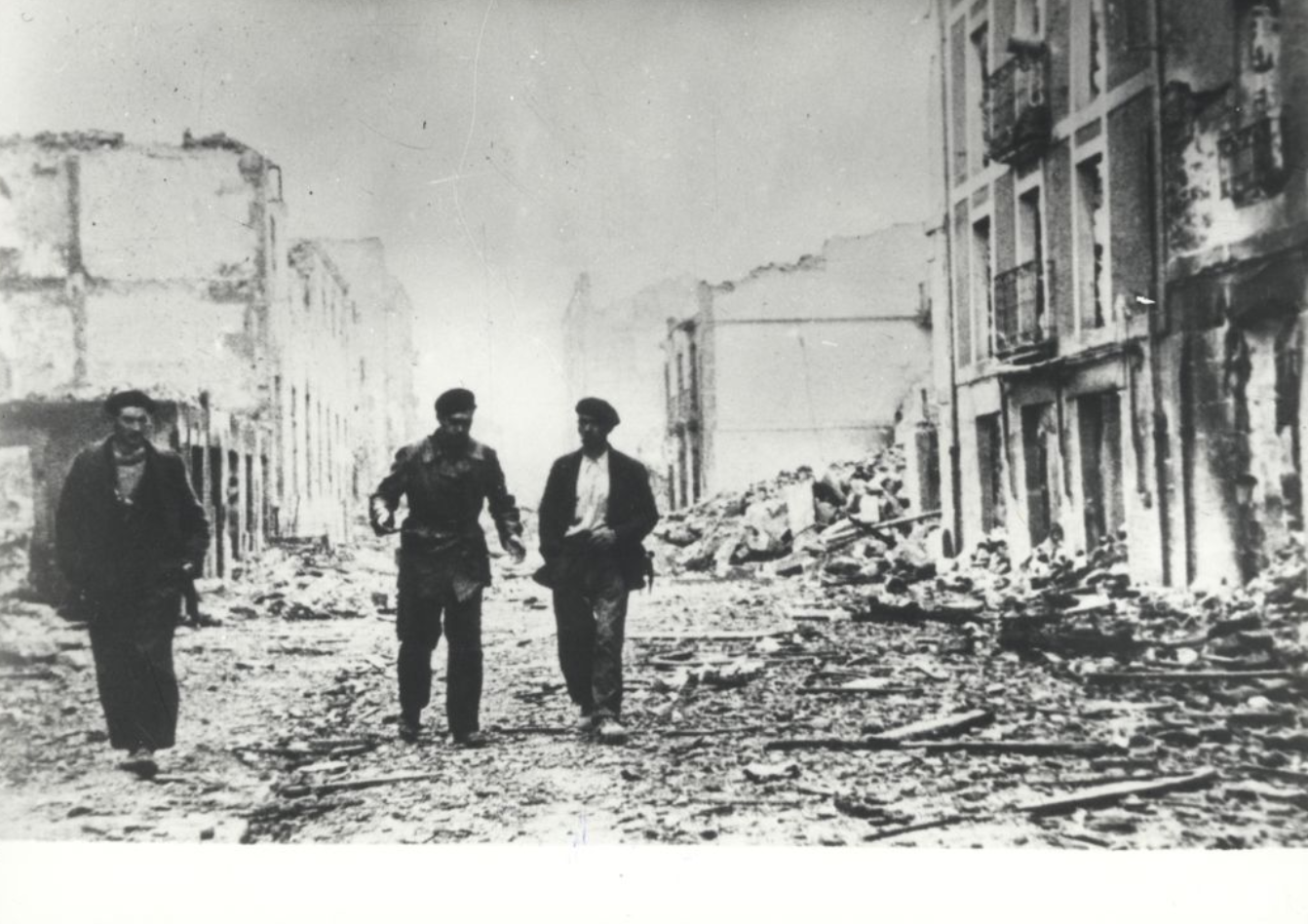
Bombing of Guernica (Gernika) by Nazi Condor Legion
Wolfram von Richthofen, the German Luftwaffe bombed the Basque town of Guernica on a market day. During the three-hour raid, fifty-nine planes dropped forty-one tons of explosives and incendiary bombs, killing or wounding hundreds of civilians.
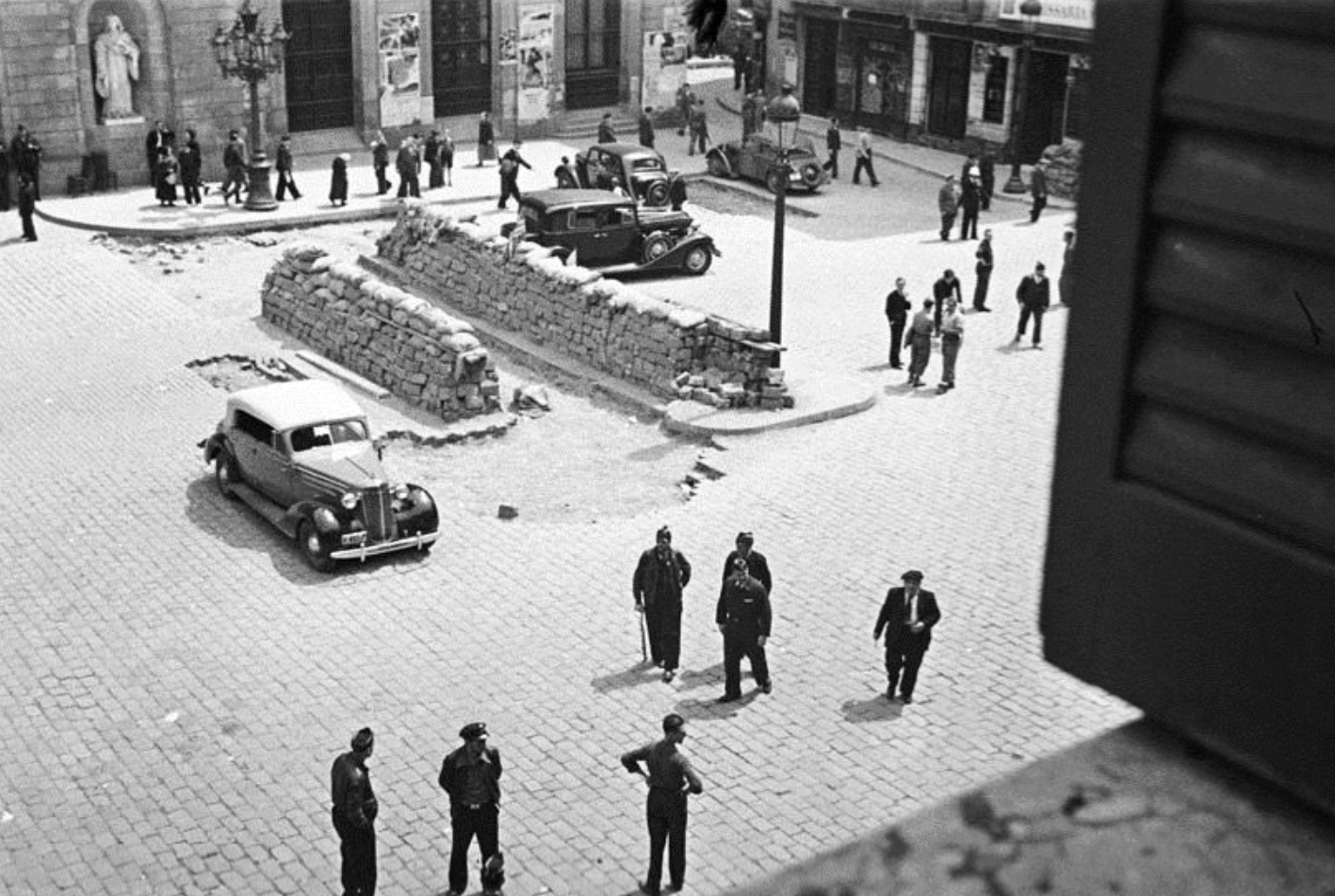
The May Days: Street Fighting and Political Conflict in Barcelona
Tensions between Republican factions erupted into street fighting in Barcelona on 3 May 1937. Anarchists and anti-Stalinists clashed with government forces and communists over control of key city infrastructure. The conflict killed around 500 people and ended with a government crackdown.
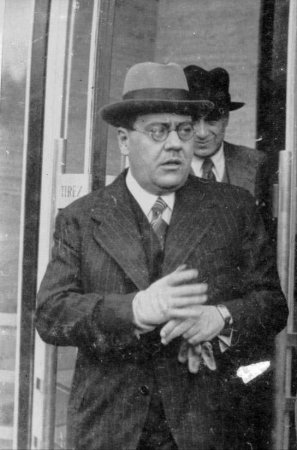
Juan Negrín Becomes Prime Minister of the Republic
After the “May Days” Juan Negrín replaced Francisco Largo Caballero as Prime Minister of the Republic. Negrín sought to centralize government control, strengthen the Republican military, and secure international support. His leadership ended in March 1939, when the Republic collapsed.
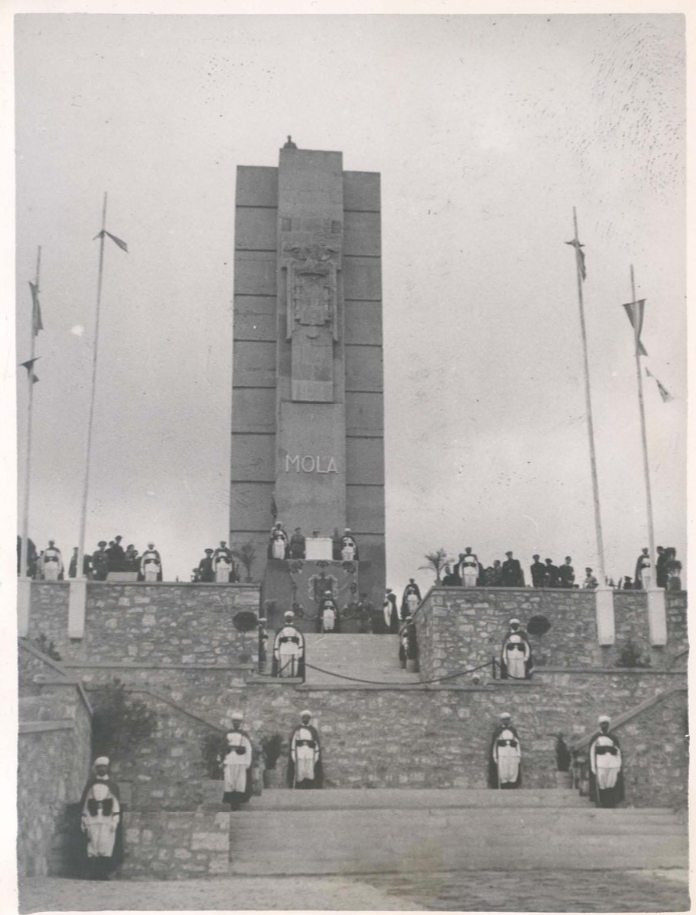
General Emilio Mola Dies in a Plane Crash
Emilio Mola was the mastermind of the July 1936 military conspiracy. During the war, he served as the rebel commander of the Northern Front and was Franco’s most serious rival for power. His death in a plane crash left Franco’s path to absolute power unobstructed.
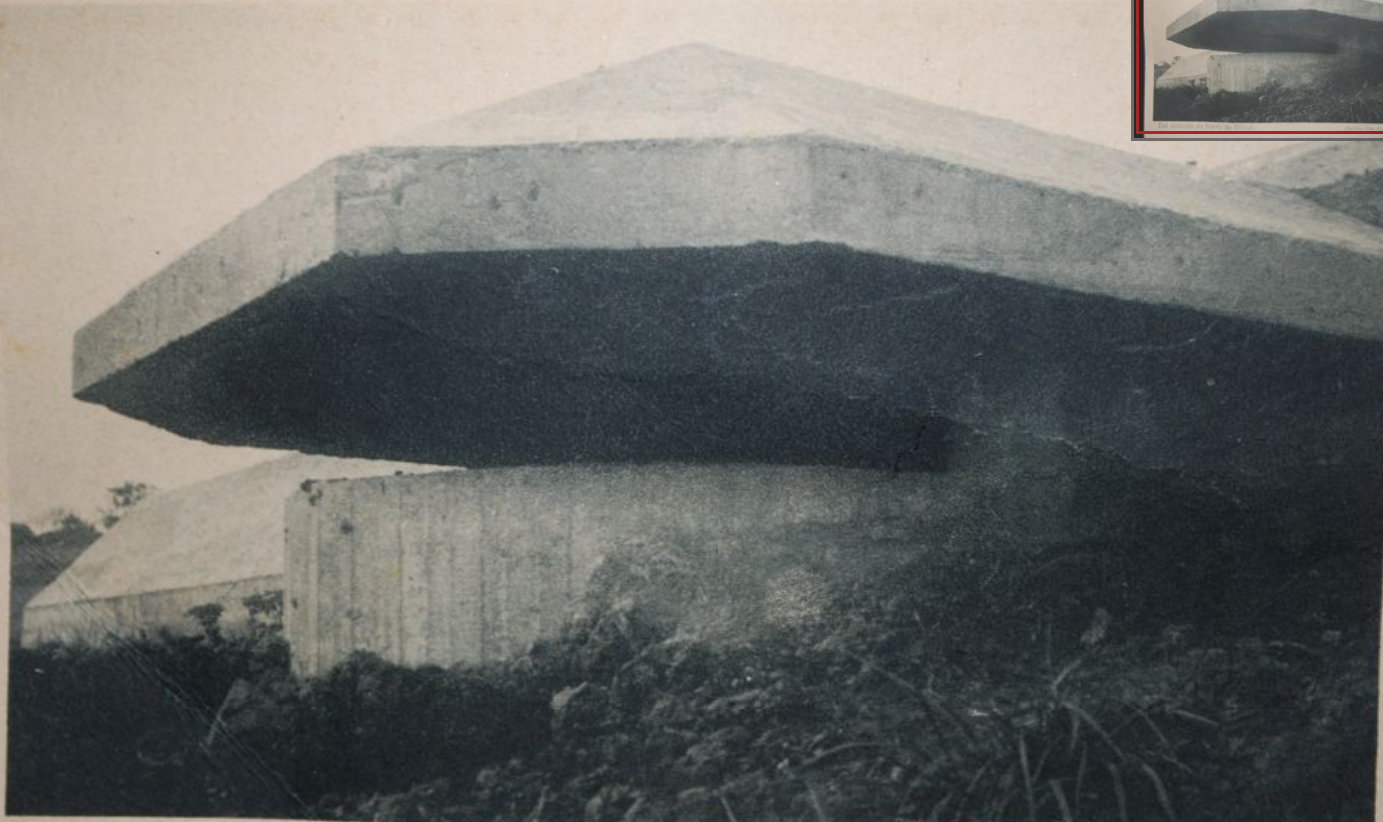
Battle of Bilbao and Its Capture by the Rebels
After nine days of fighting, rebel forces captured Bilbao, the capital of the Basque autonomous region. The loss of Bilbao marked a significant blow to the Republic, further isolating northern Republican-held territories and consolidating Franco’s control in the region.
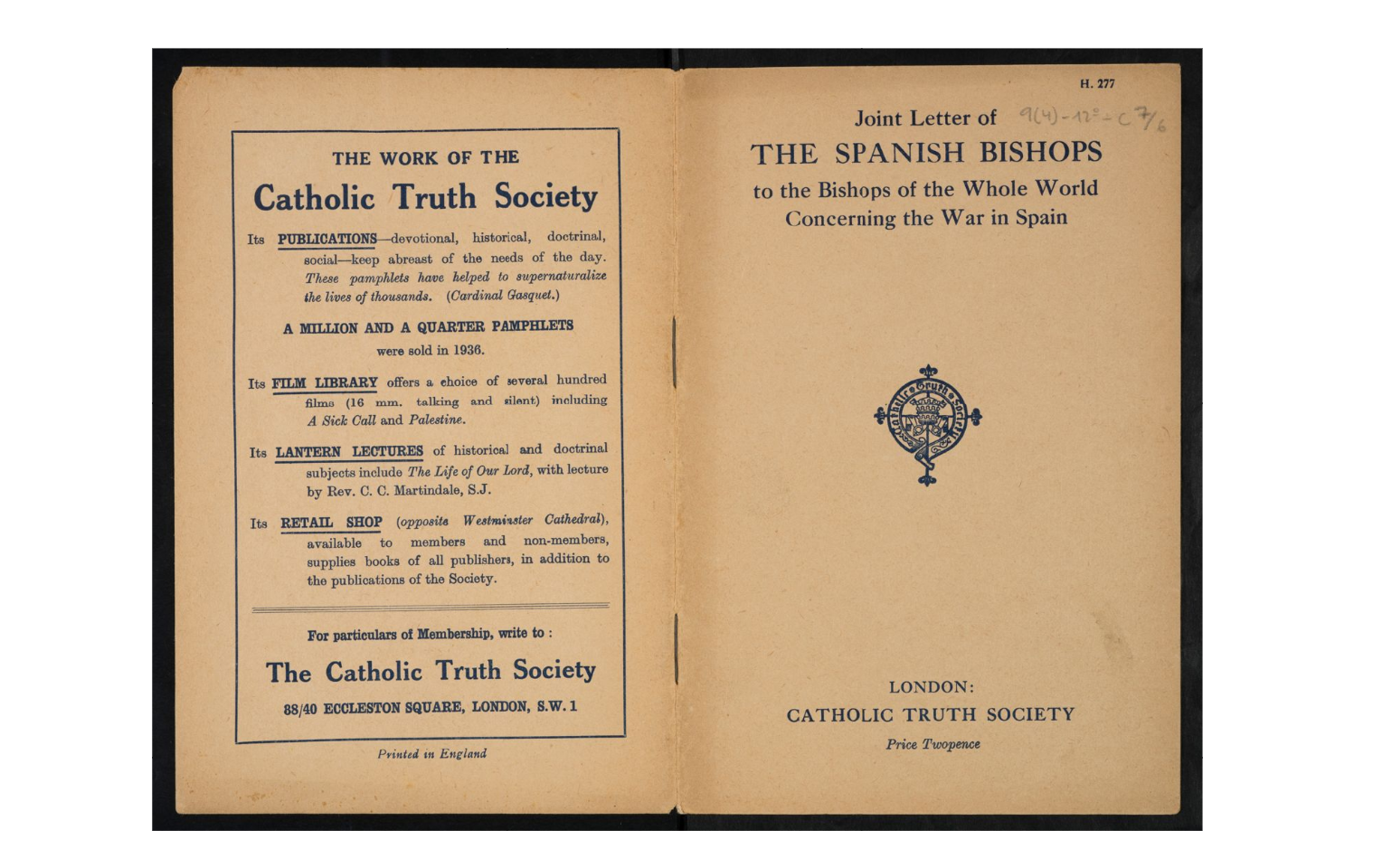
Collective Letter of the Spanish Bishops
The Spanish bishops published a collective letter endorsing Franco as Spain’s legitimate ruler and justifying his coup as a defence of the Church. The letter, aimed at international Catholic opinion, condemned Republican atrocities against the Church but ignored the rebels’ crimes.
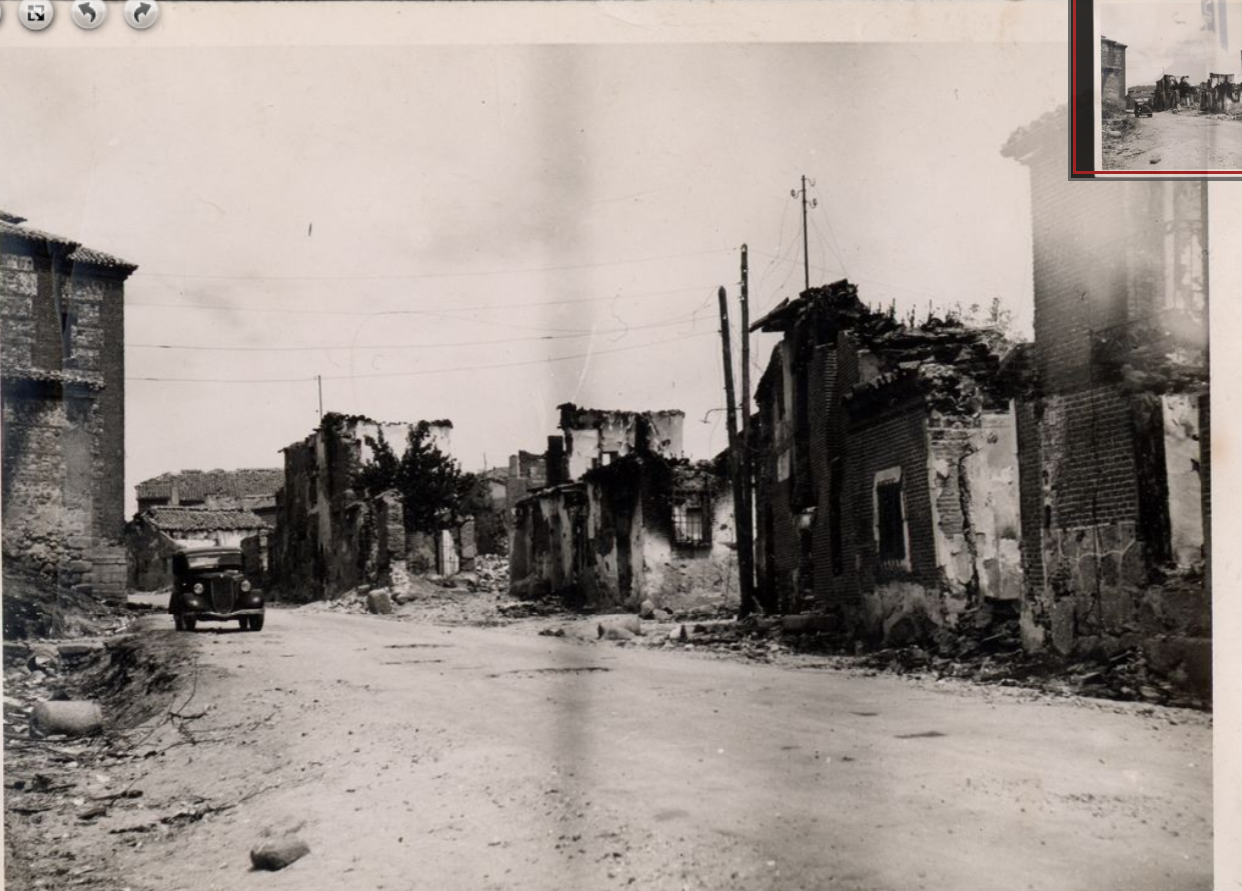
Battle of Brunete
Republican forces launched an offensive at Brunete near Madrid to prevent a rebel offensive on Santander and to improve the strategic position of the Republican Popular Army around Madrid. After heavy casualties and the destruction of the city, the Republicans and the International Brigades failed to achieve their strategic goals.
Fall of the Northern Front
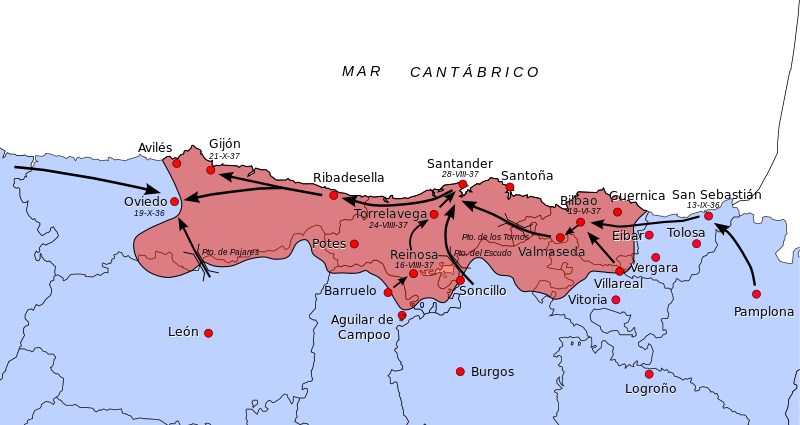
The rebel conquest of Avilés and Gijón ended the war on the Northern front. The mineral and industrial resources of the Basque Country and Asturias gave the Francoists an economic advantage over the Republic.
Battle of Teruel
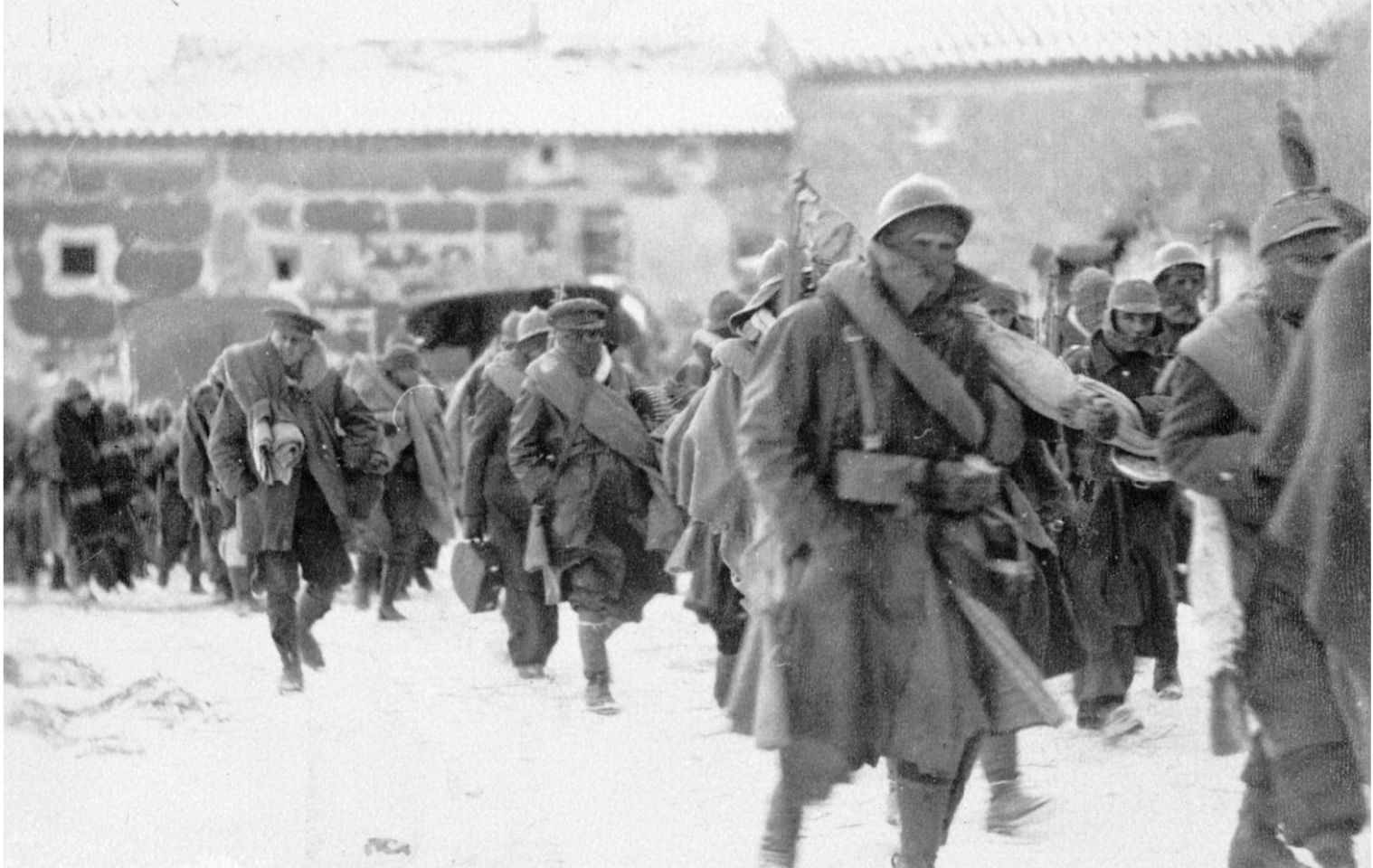
Republican forces achieved early victories. However, worsening weather in the new year immobilized Republican tanks, enabling the Francoist army to launch a counteroffensive. After the battle at Río Alfambra (5-8 February), the Republicans suffered heavy losses and were forced to retreat from Teruel.
Division of Republican Spain
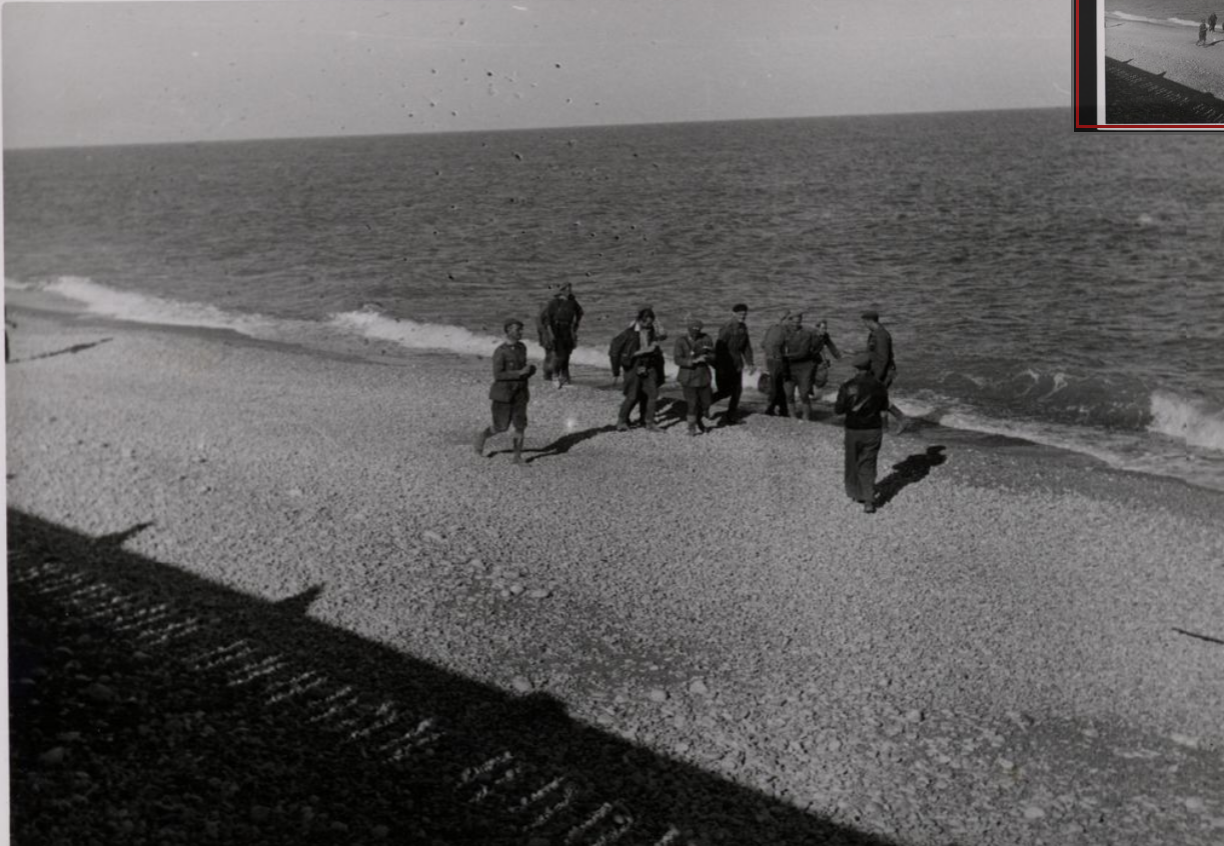
Rebel troops captured the coastal town of Vinaròs, splitting Republican Spain in two. The rebels' rapid advance during the Aragón offensive left Catalonia isolated and weakened. Despite this, Franco diverted his troops toward Valencia rather than deliver a final blow to Catalonia.
Battle of the Ebro
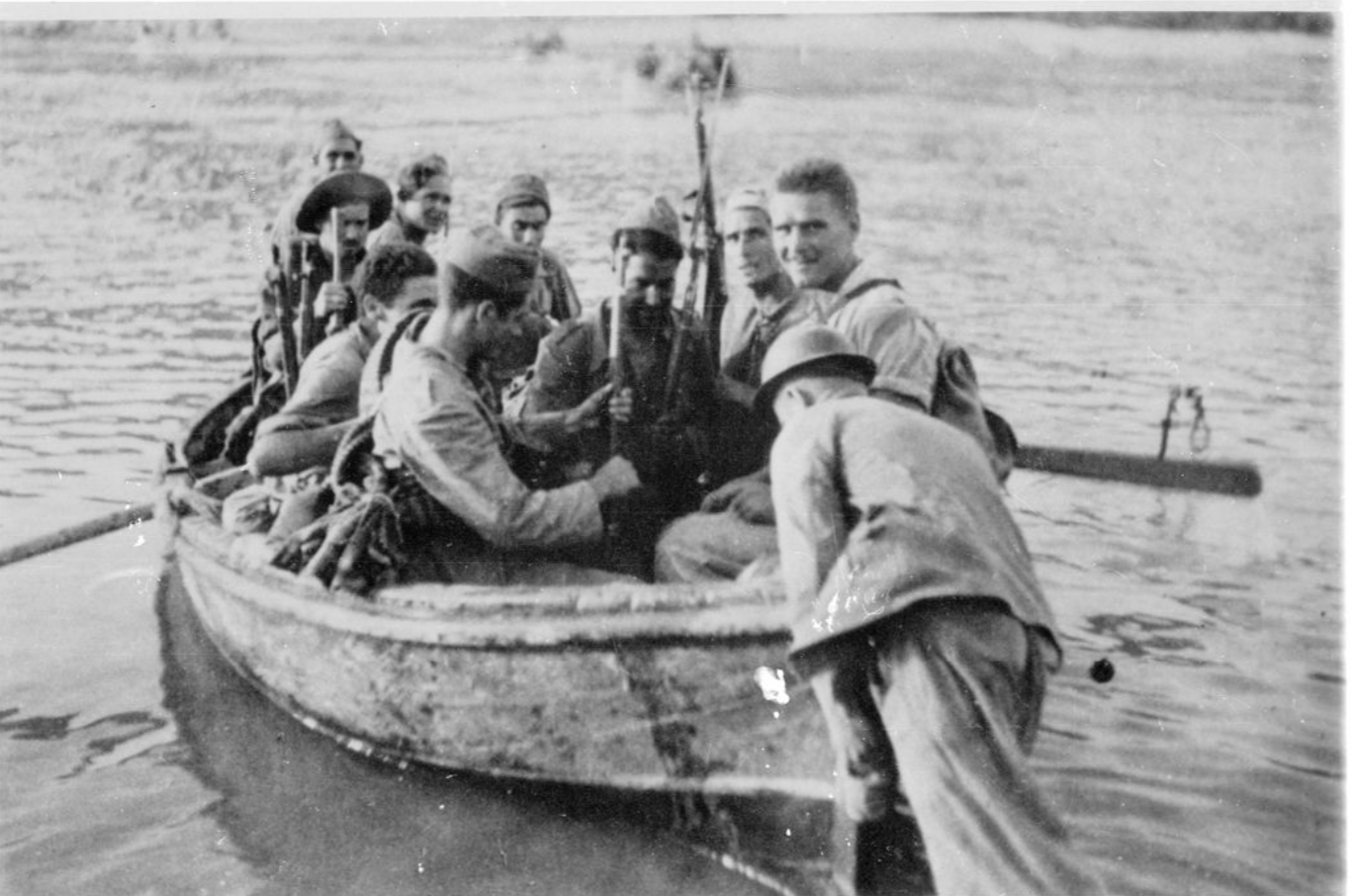
The Battle of the Ebro was the largest and longest battle of the Spanish Civil War. It began with a successful Republican offensive crossing of the Ebro River. However, the tide turned against the Republicans because of Franco’s superior resources and relentless counterattacks. This battle marked the Republic’s final major offensive, leaving Catalonia vulnerable and one step closer to its eventual defeat.
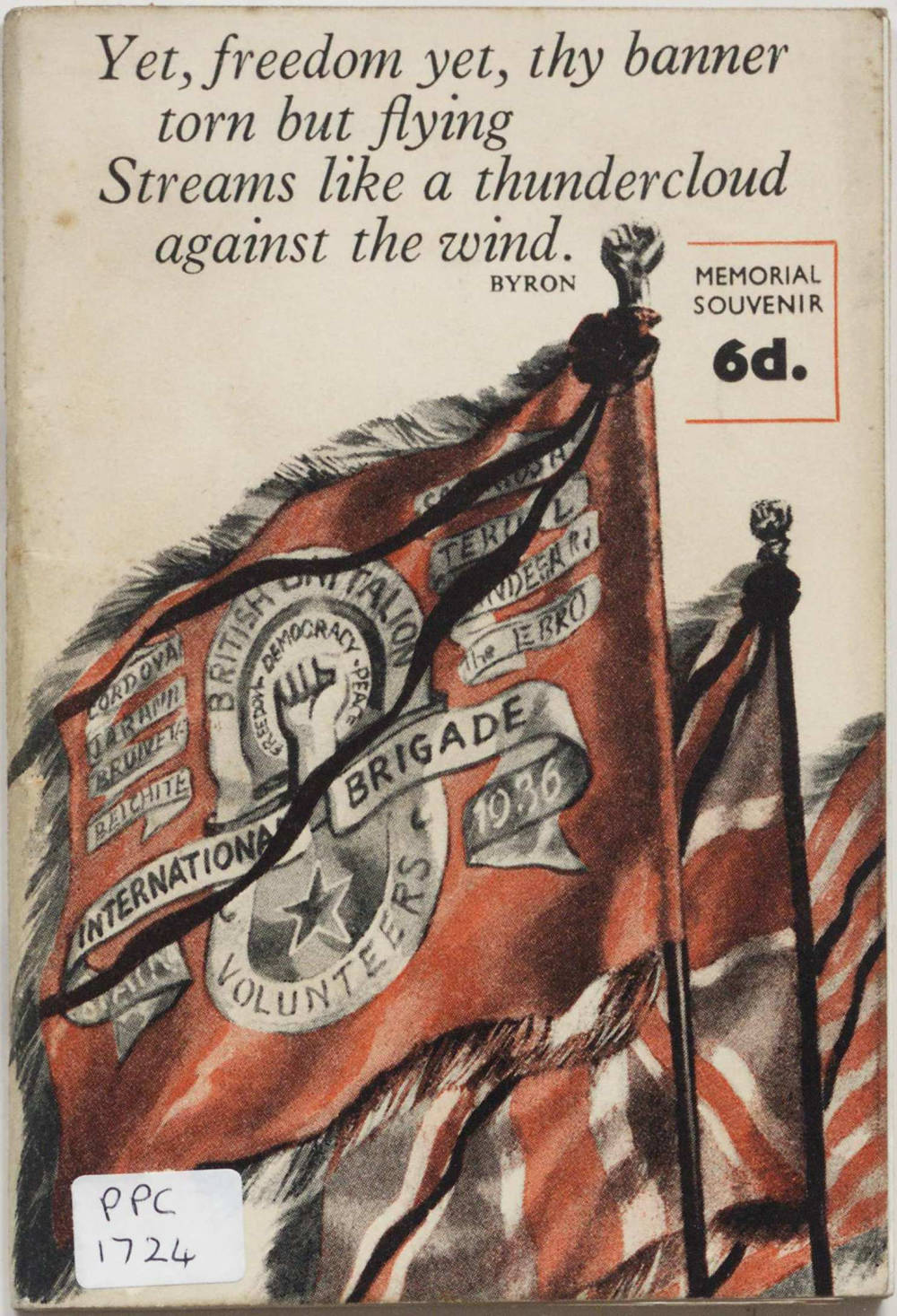
Republican Government Orders Withdrawal of International Brigades
Republican Prime Minister Juan Negrín ordered the International Brigades' unconditional withdrawal. By this time, about 10,000 foreign volunteers were still serving on the Republican side in Spain. The withdrawal was a final attempt to secure diplomatic and military support from democratic countries, but no aid reached the Republic.
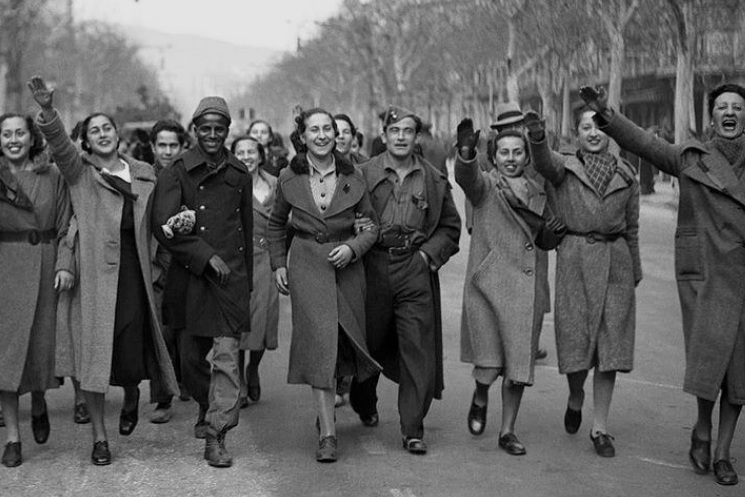
Rebels Capture Barcelona
Rebel and Fascist Italian forces entered Barcelona. The city fell after heavy aerial and naval bombardments by Italian Fascist forces. Many Catalans welcomed the rebel troops. The loss of Barcelona, a key industrial centre, deepened Republican defeatism and marked the beginning of the Republic’s collapse.
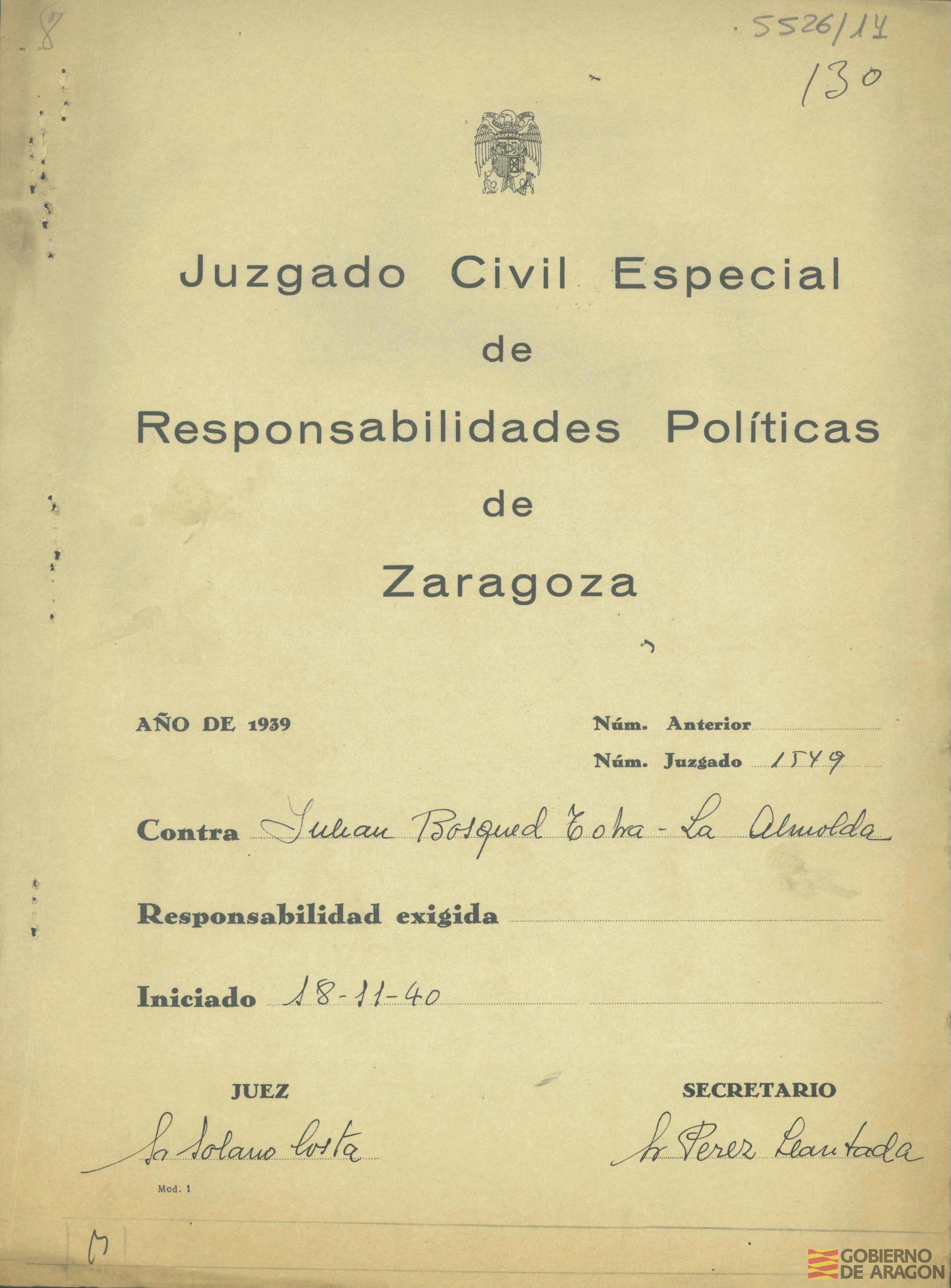
Law of Political Responsibilities
Franco’s emerging regime enacted the Law of Political Responsibilities, which punished supporters of the Second Spanish Republic. The law criminalized membership in left-wing parties and unions and imposed fines, expropriations, and restrictions on lawful activities. By 1945, over 500,000 people had been prosecuted, though in some cases proceedings continued into the 1960s.
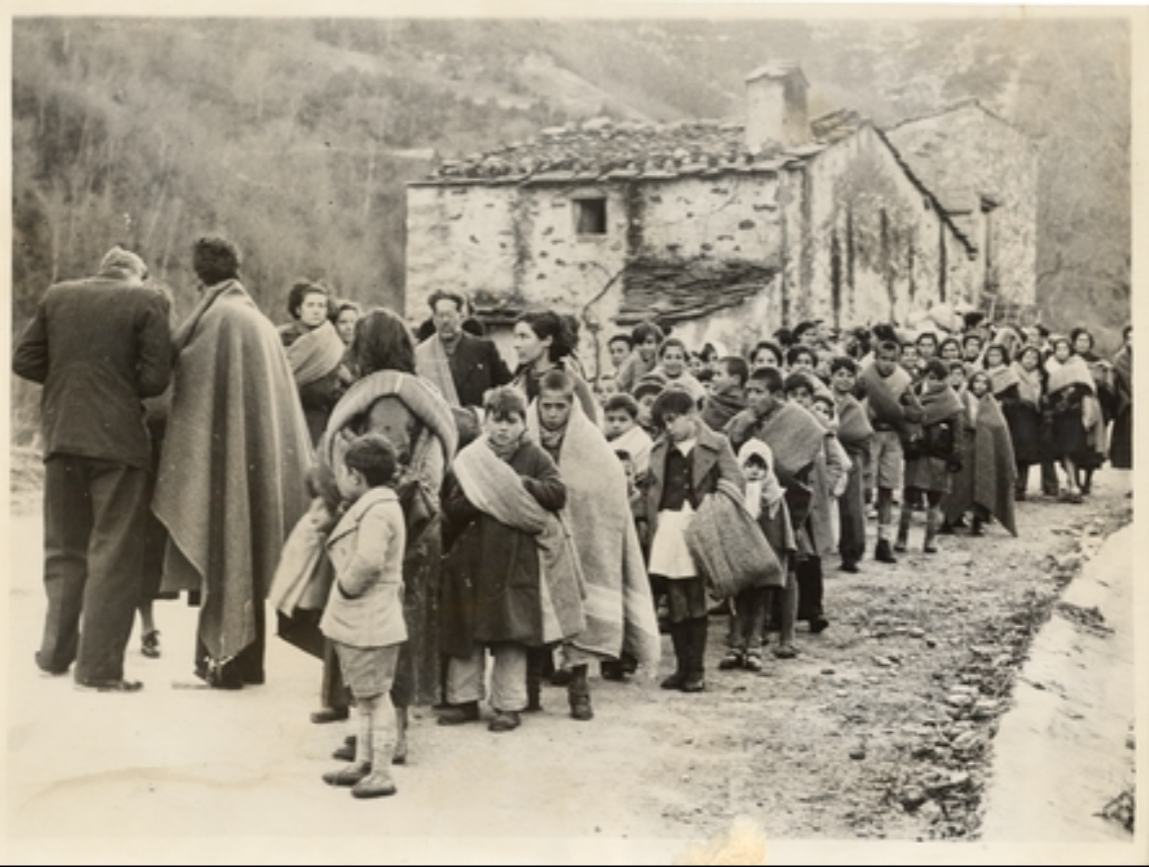
Rebel Troops Conquer Catalonia
Francoist rebels launched their final offensive against Catalonia on 23 December 1938. The rebel advance forced the Republican Army to retreat and displaced more than 450,000 refugees into France, most of whom ended up in concentration camps. The Francoist forces also ended Catalonia’s autonomy, imposed harsh repression, and banned the Catalan language.
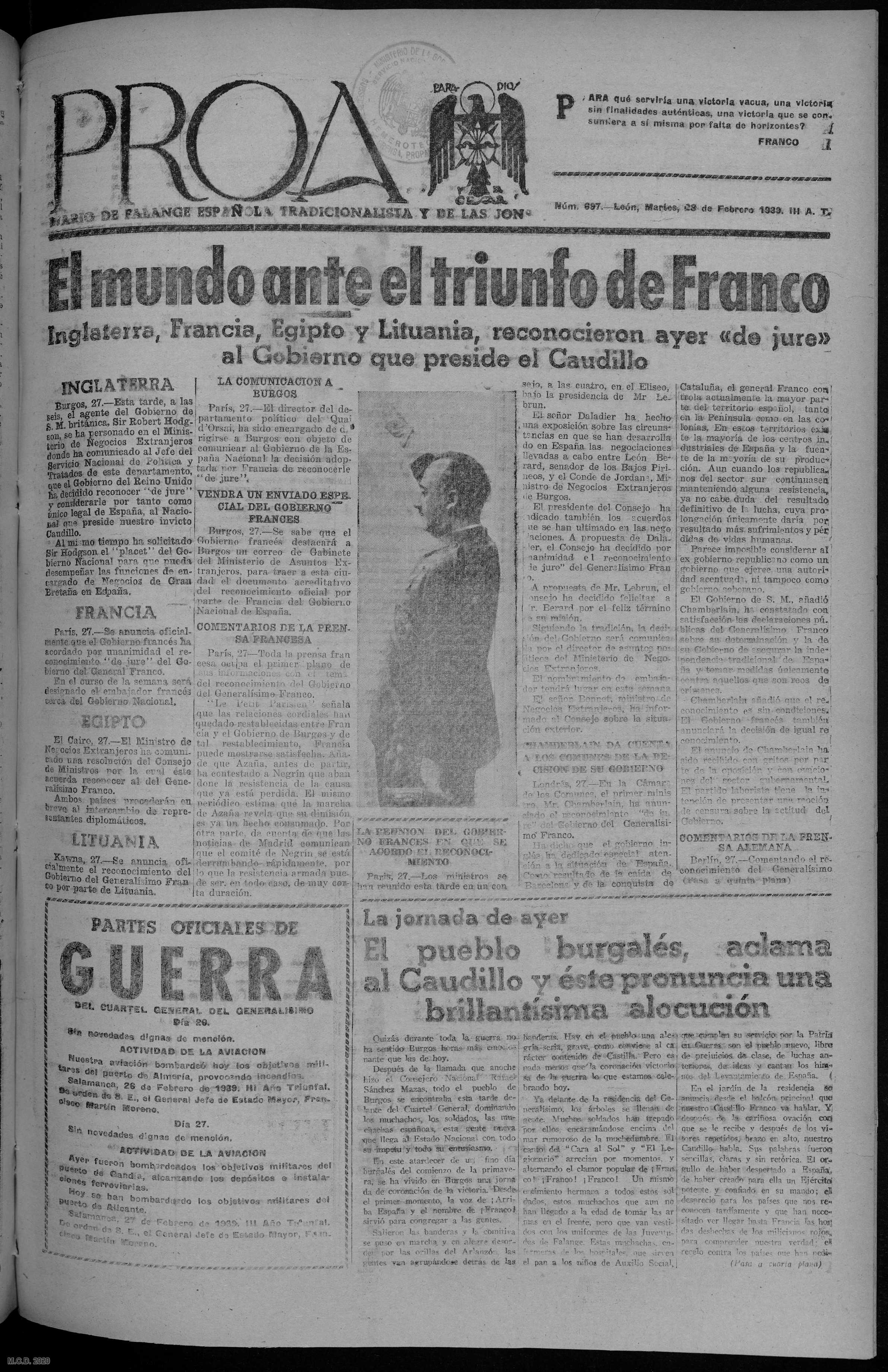
Great Britain and France Recognize Franco’s Regime
Fascist Italy and Nazi Germany recognized Franco’s regime as early as November 1936, while Western powers, including France and Britain, formally recognized Franco’s government as his forces neared victory. Others, such as the United States, waited until 1951 to extend diplomatic recognition.
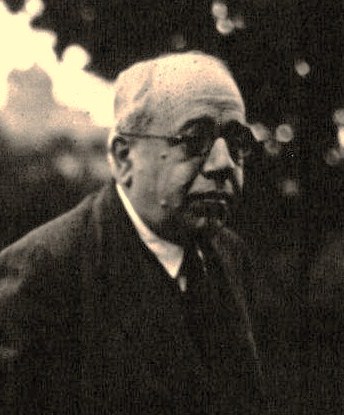
Manuel Azaña Resigns as President of the Republic
After his resignation, Azaña was succeeded on an interim basis by Diego Martínez Barrio as President of the Republic. Azaña remained in France. After the Nazi conquest of the country, Azaña was harassed by Francoist police who wanted to kidnap him. He died in Montauban, in a hotel under Mexican diplomatic protection, on November 3, 1940.
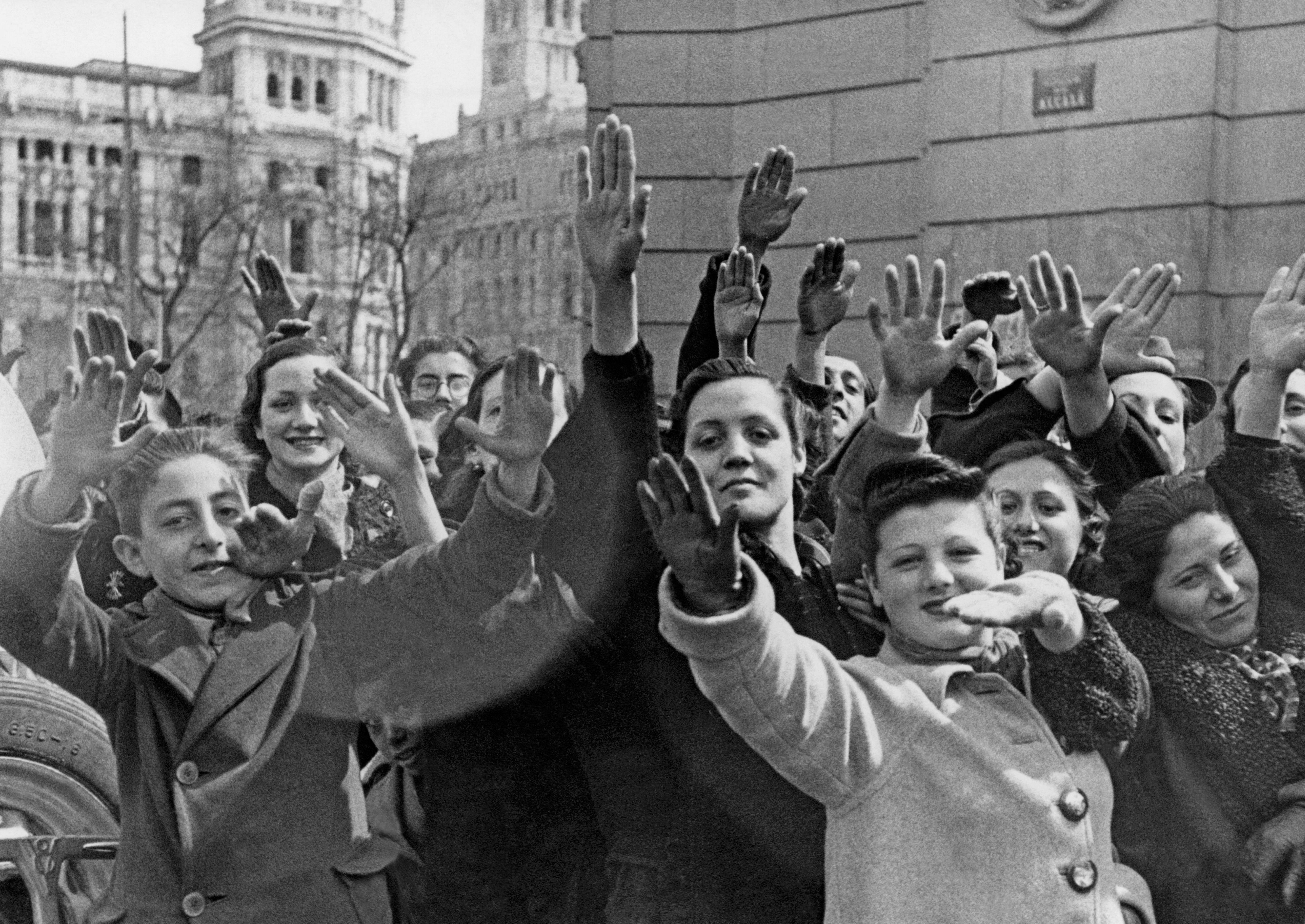
Madrid Falls to the Rebels
The collapse of the capital was triggered by a Republican coup d’état on March 5, 1939, led by Colonel Segismundo Casado against Prime Minister Juan Negrín. Casado sought in vain to negotiate a conditional surrender with Franco to spare Republicans from harsh reprisals. Madrid fell to Franco’s rebels, triggering mass surrenders, the imprisonment of hundreds of thousands, and the end of the Spanish Civil War.
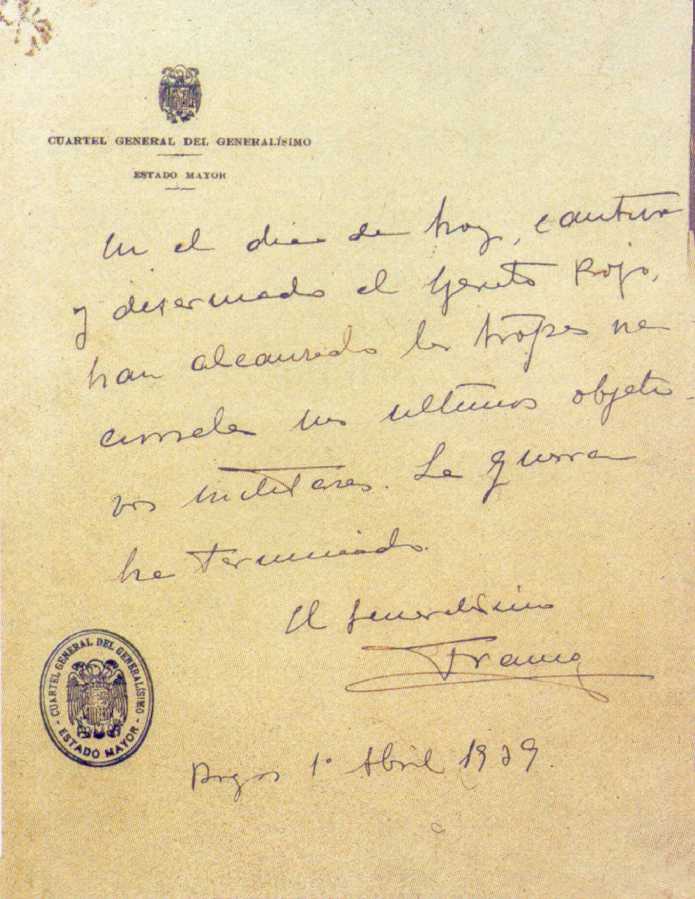
Franco Declares Victory
After the Republican Army’s surrender in Madrid on 28 March 1939 and the rebels’ securing of all Spanish territory by 31 March 1939, Franco declared victory on 1 April 1939. Parades in Valencia and other cities celebrated Franco’s triumph and inaugurated decades of repression and tyranny.
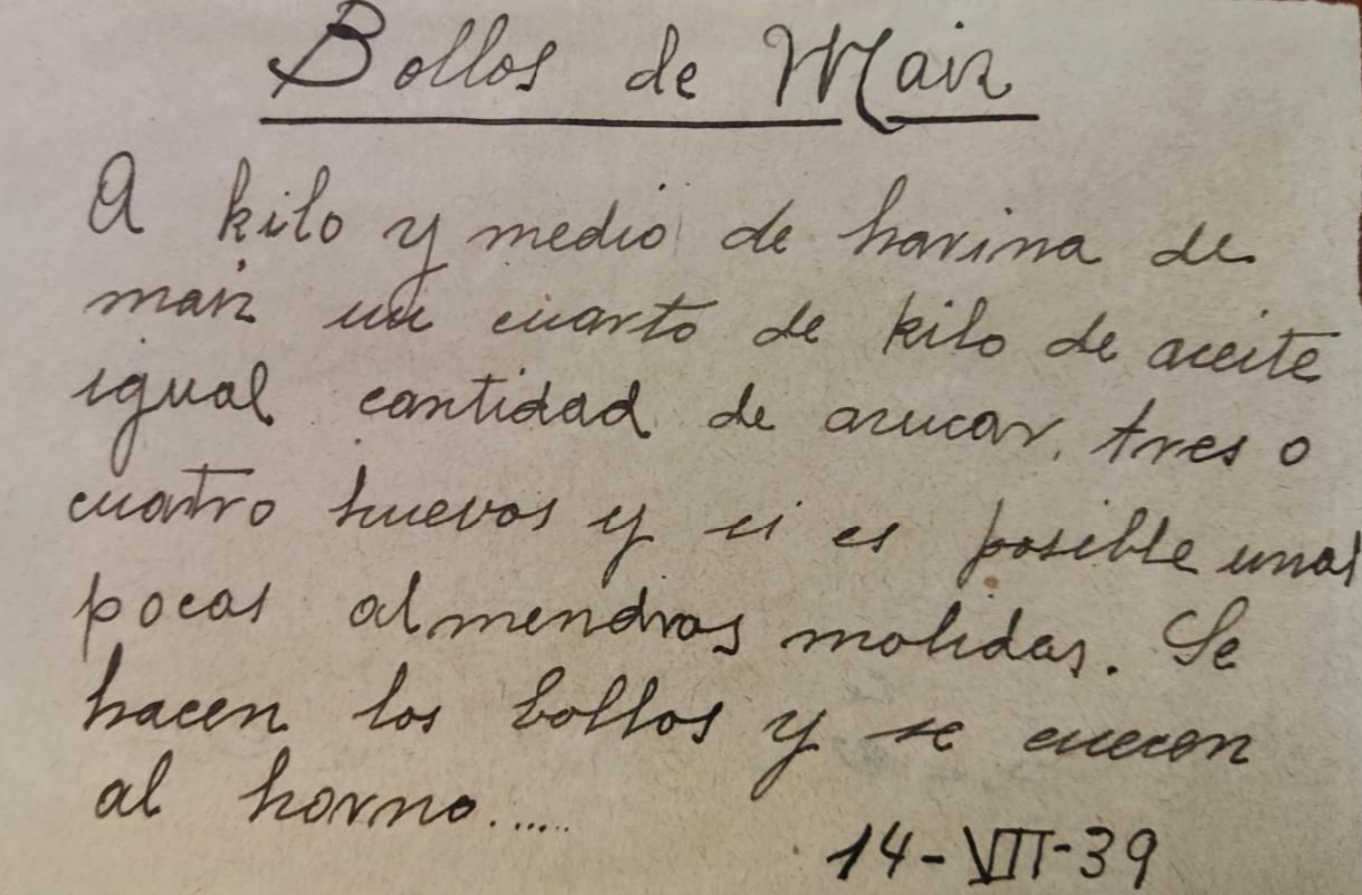
The Hunger Years
After the Civil War, Spain faced “the years of hunger”, a period marked by famine, severe food shortages, and widespread malnutrition among the poor. The regime’s autarkic policies and rationing led to disastrous conditions, resulting in at least 200,000 deaths. The poorest regions, such as Andalusia and Extremadura, suffered the most.
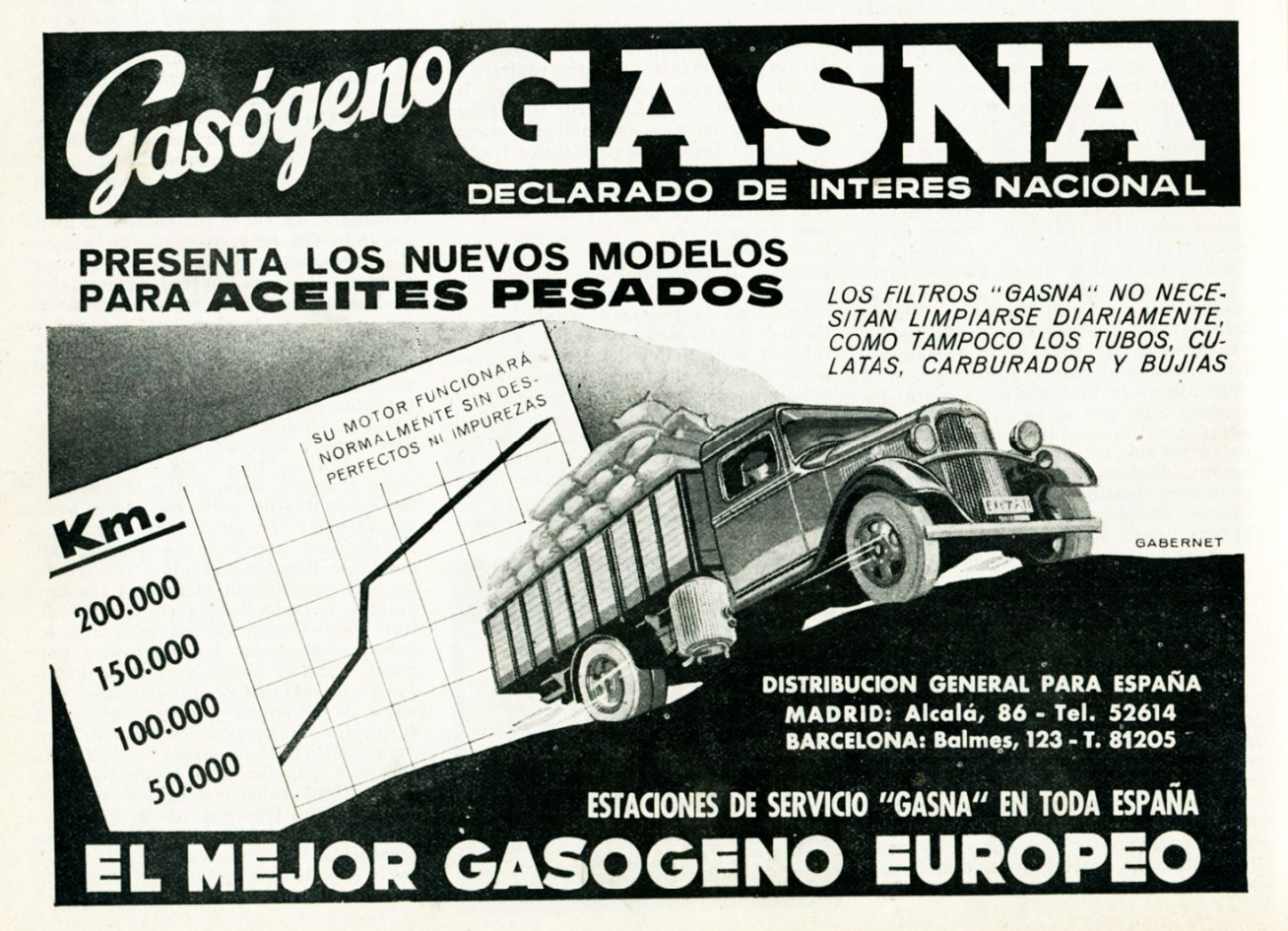
Introduction of Autarky
Franco’s regime implemented autarky, an economic policy characterized by self-sufficiency, isolation, and state control. Despite industrialization efforts and land reform, the Spanish economy and people struggled with inefficiency, scarcity, and inflation until autarky was abandoned.
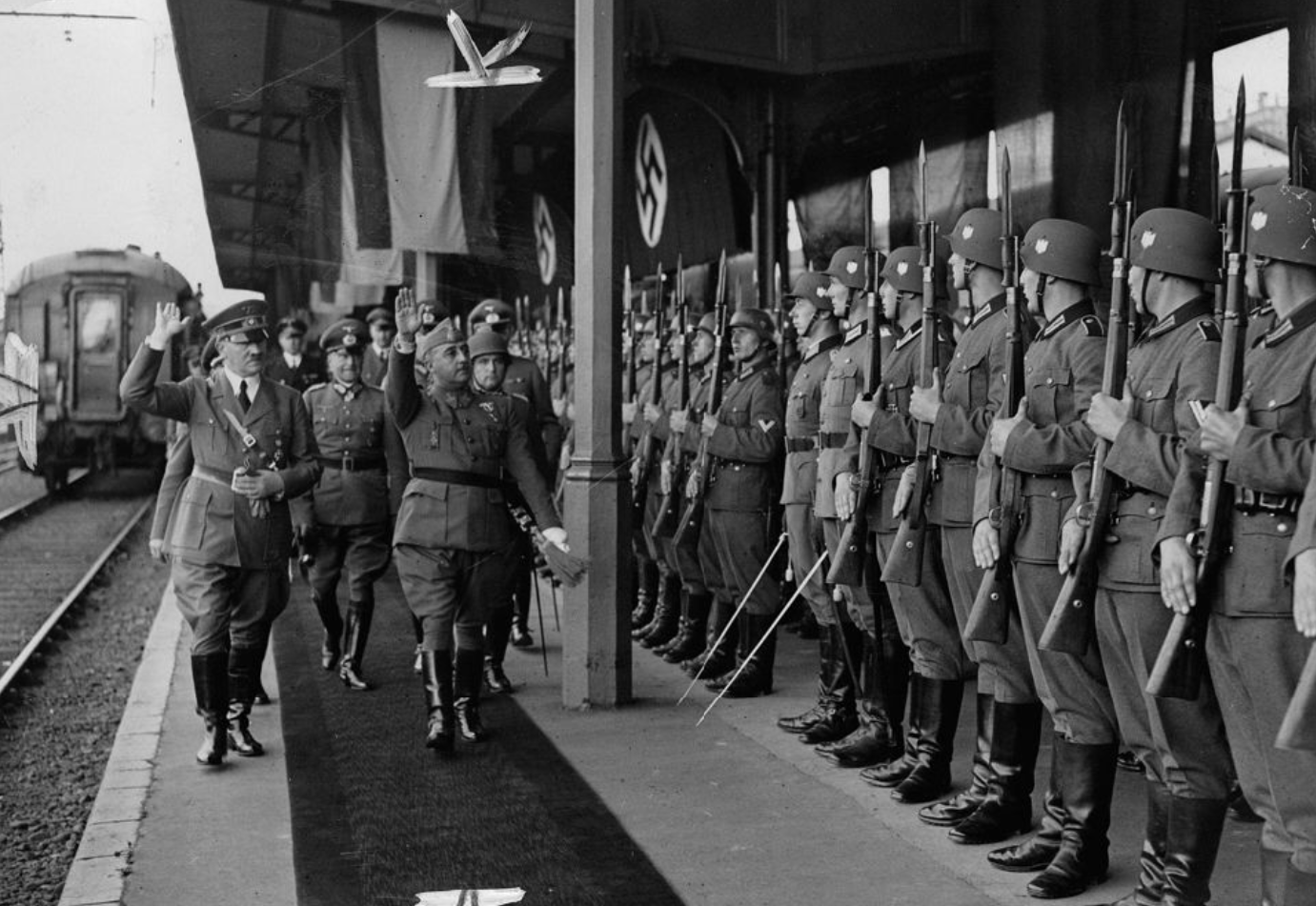
Franco and Hitler Meet in Hendaya, France
After France’s surrender, Franco met Hitler in Hendaya, France, to discuss Spain’s entry into World War II on the Axis side. The meeting ended with Franco maintaining official neutrality and a vague agreement that Spain would join the war later, which never materialized.
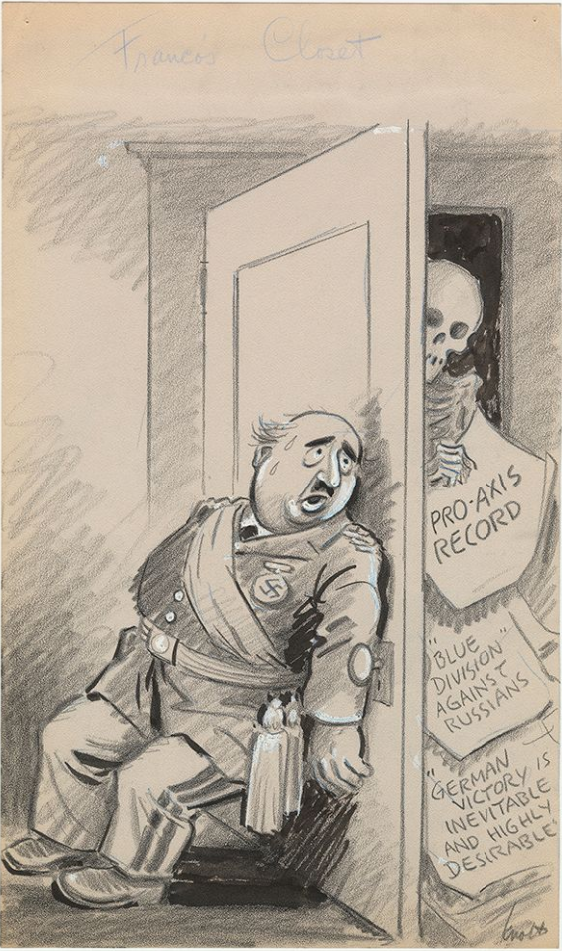
Agreements Between Spain and the United States
Until 1953, Francoist Spain was internationally isolated. This isolation ended that summer, when Spain signed a concordat with the Vatican that legitimized Franco in the eyes of the Catholic world. Relations with the United States remained unresolved. Dwight Eisenhower’s anti-Communist policies led to the signing of agreements between Spain and the United States on 23 September, which gave Franco strong diplomatic backing as well as economic and military assistance.
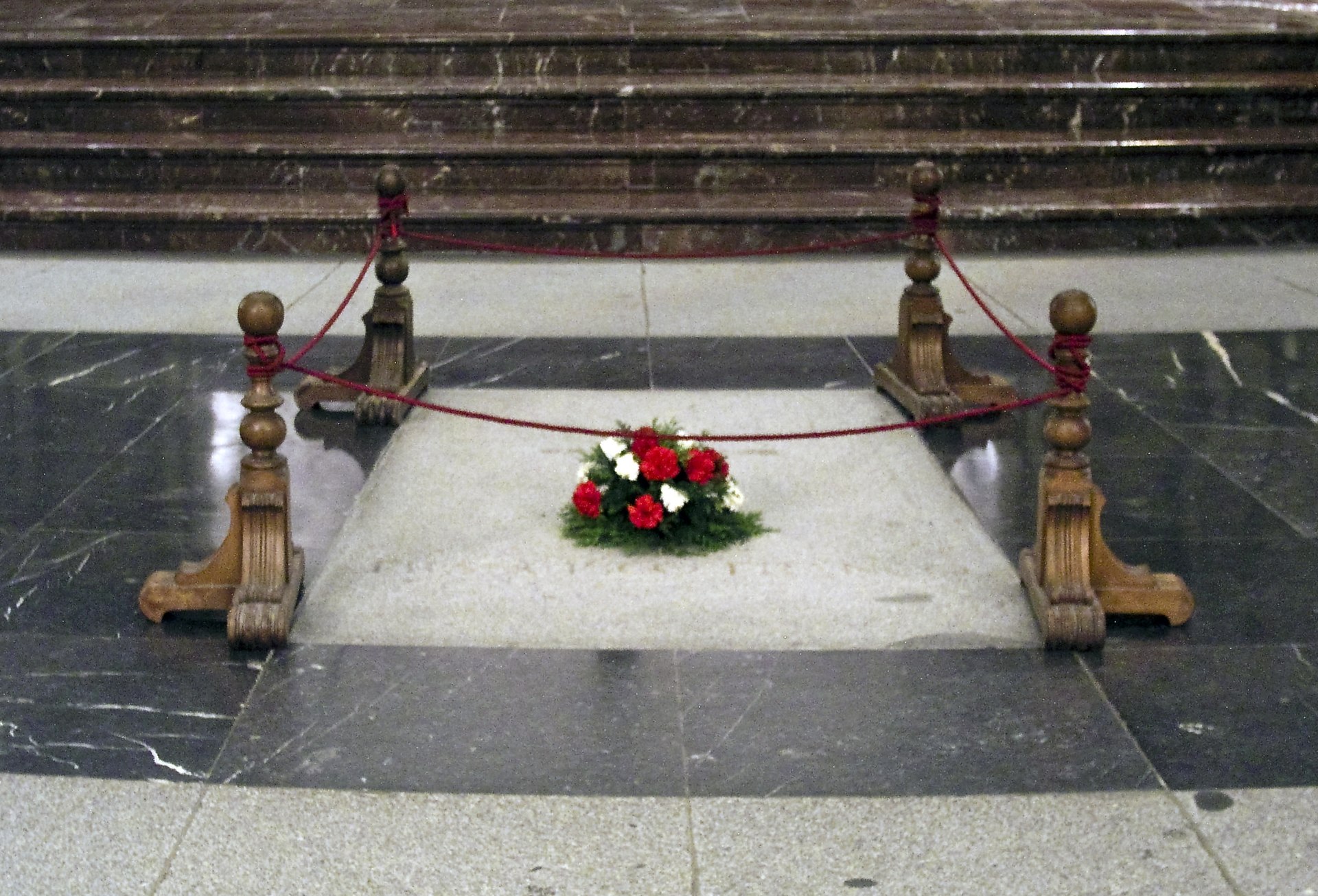
Death of General Francisco Franco
General Franco ruled Spain from October 1, 1936.
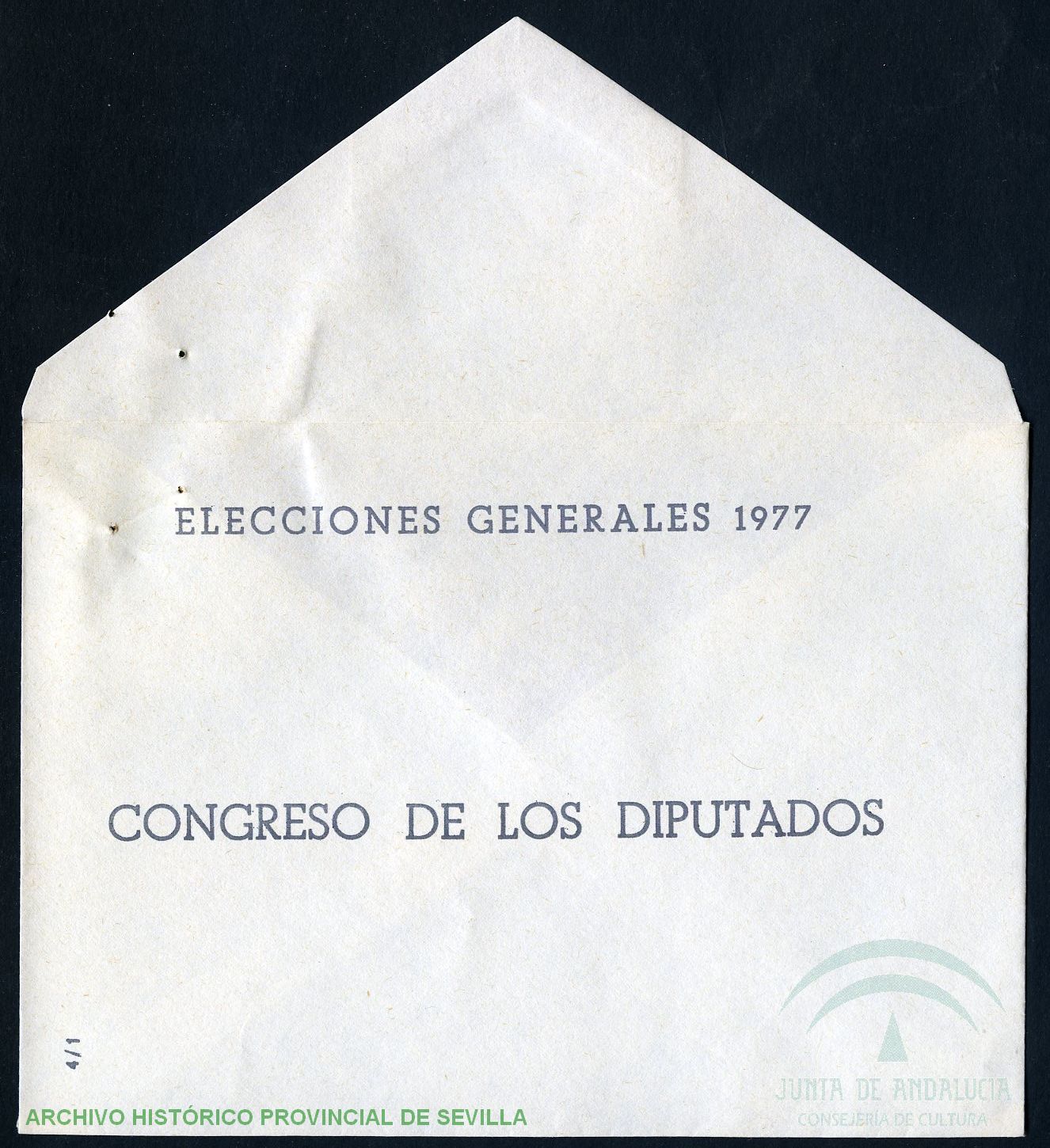
The First Democratic Election Since February 1936
The main task of the new parliament was to draft a constitution.
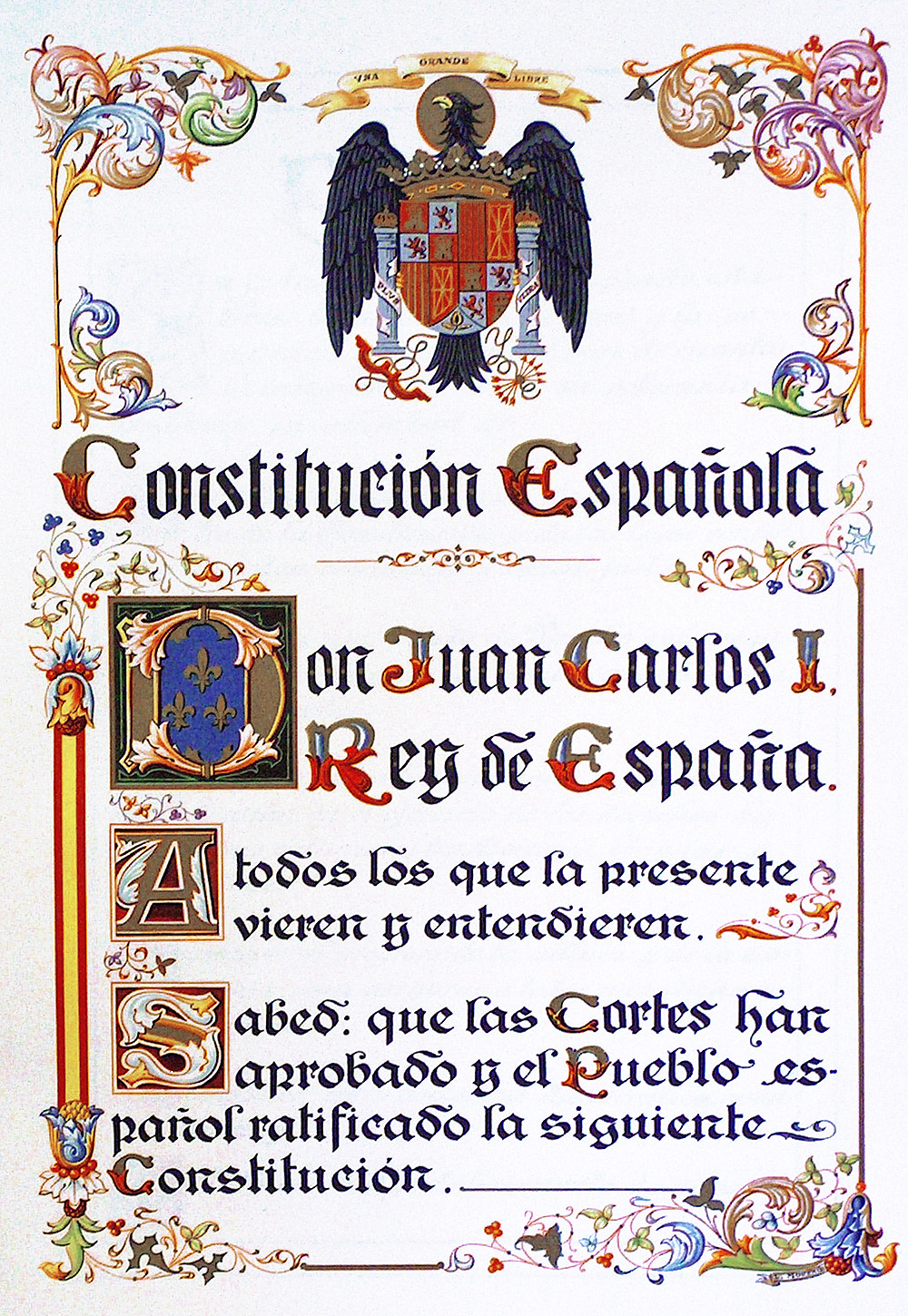
Ratification of the Constitution, 1978
King Juan Carlos sanctioned the constitution on 27 December. It came into force two days later, upon its publication in the Official Bulletin of the State.
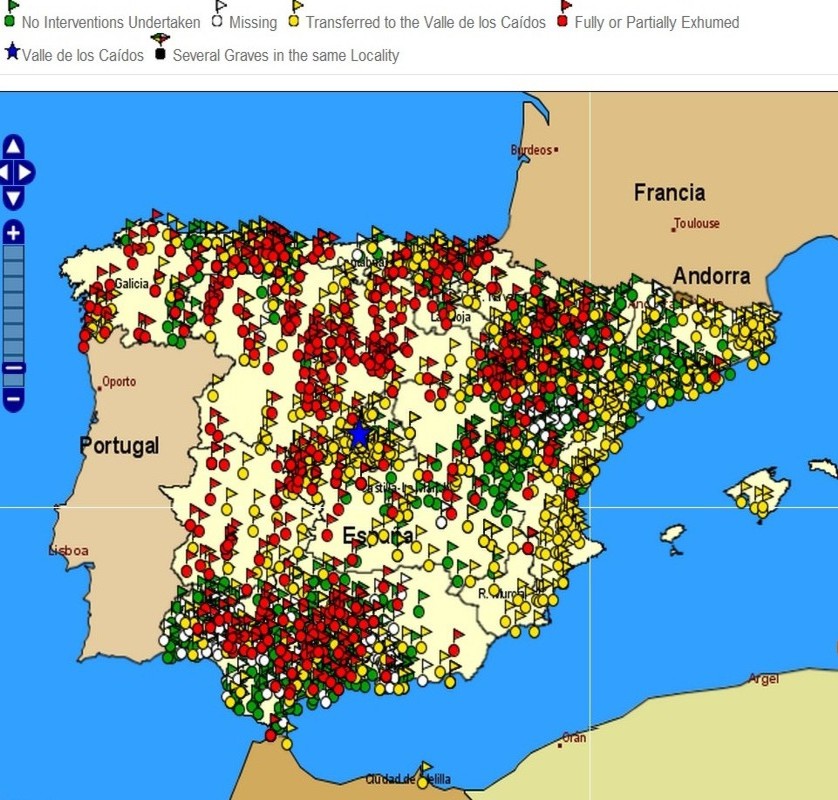
Memory Laws
The turn of the 21st century saw the emergence of a grassroots movement demanding official policies to remember those whose lives, deaths and suffering during the war and immediate post-war period had been silenced. Despite being politically contentious, this led successive Socialist governments to pass the Law of Historical Memory (26 December 2007) and the Law of Democratic Memory (19 October 2022).