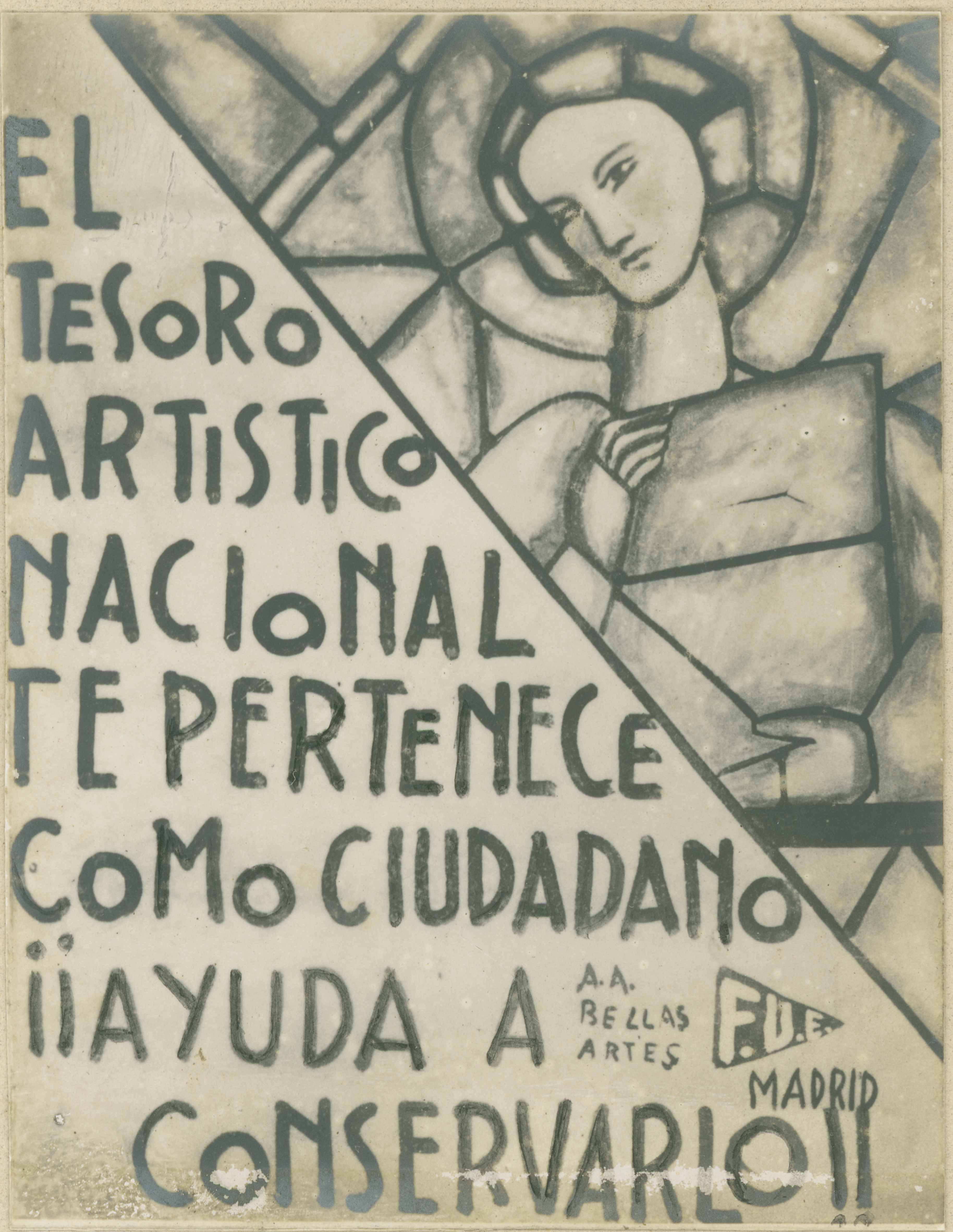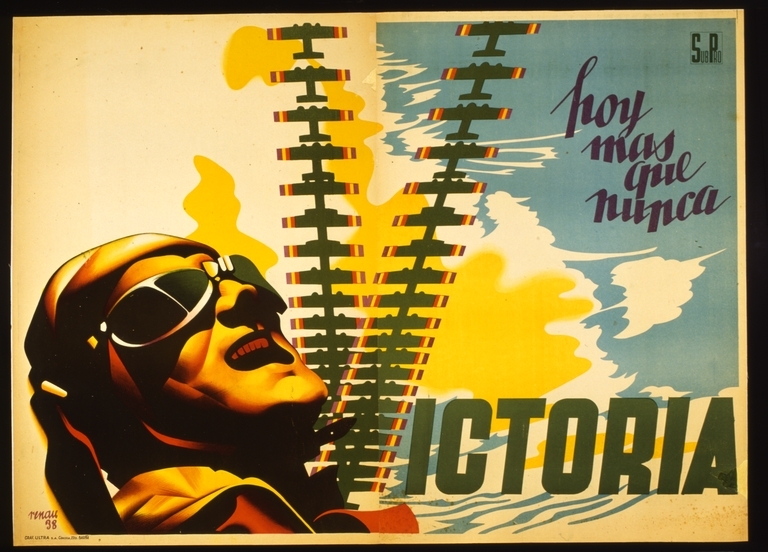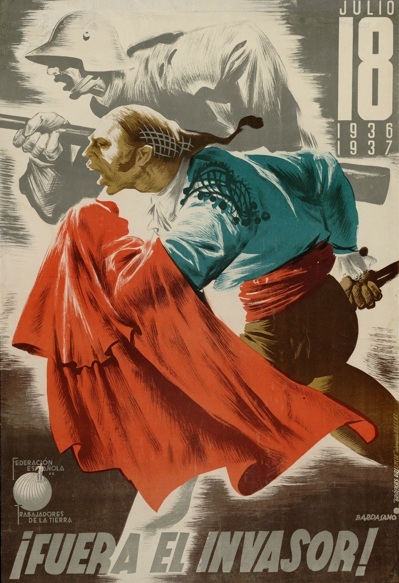



The Spanish Civil War had significant consequences in the field of the arts. The outbreak of the conflict cut short the substantial improvements that had taken place in the artistic system in previous years. The war brought a drastic interruption of training and exhibition activities by official institutions and the resulting situation of uncertainty.
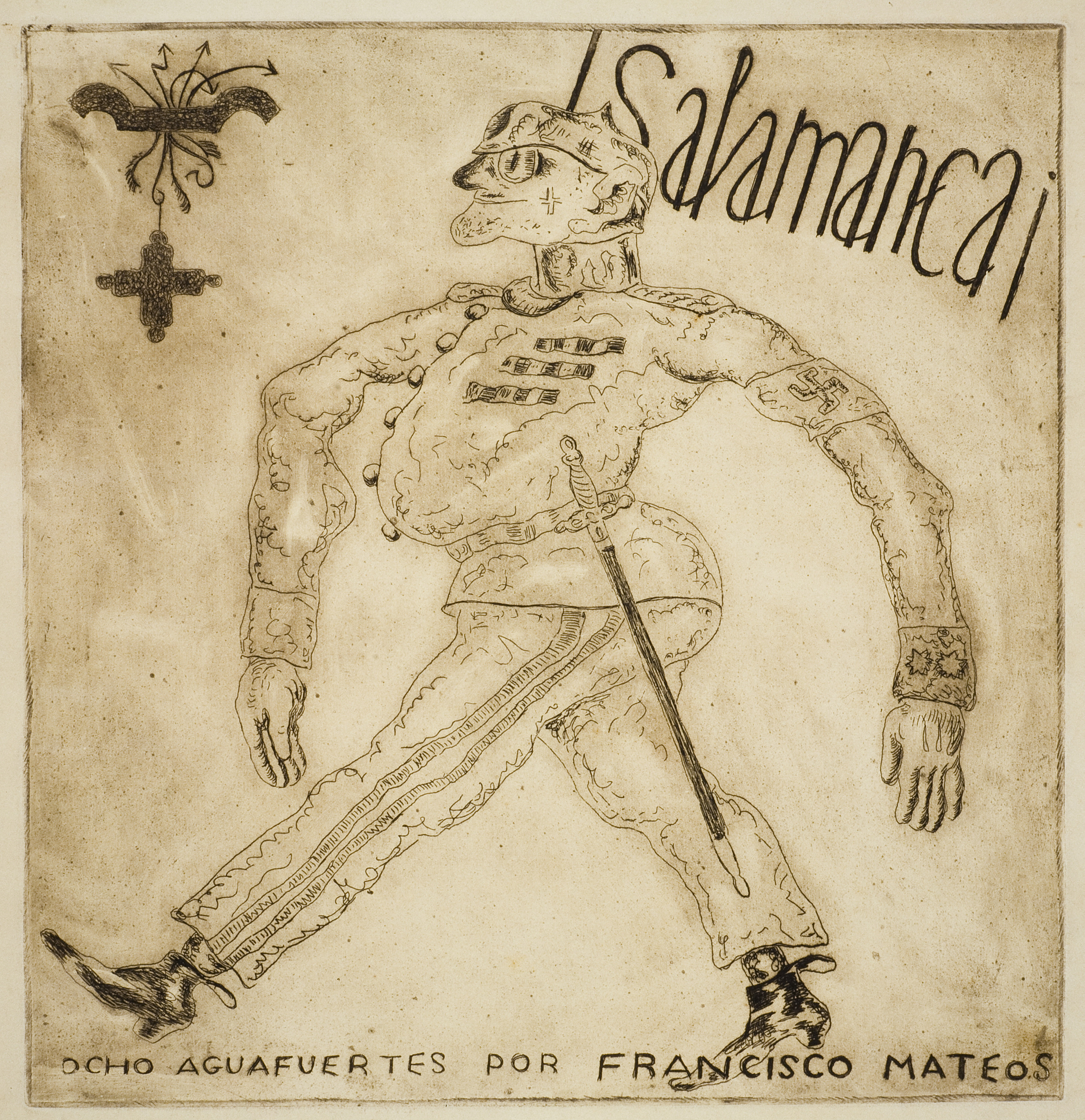
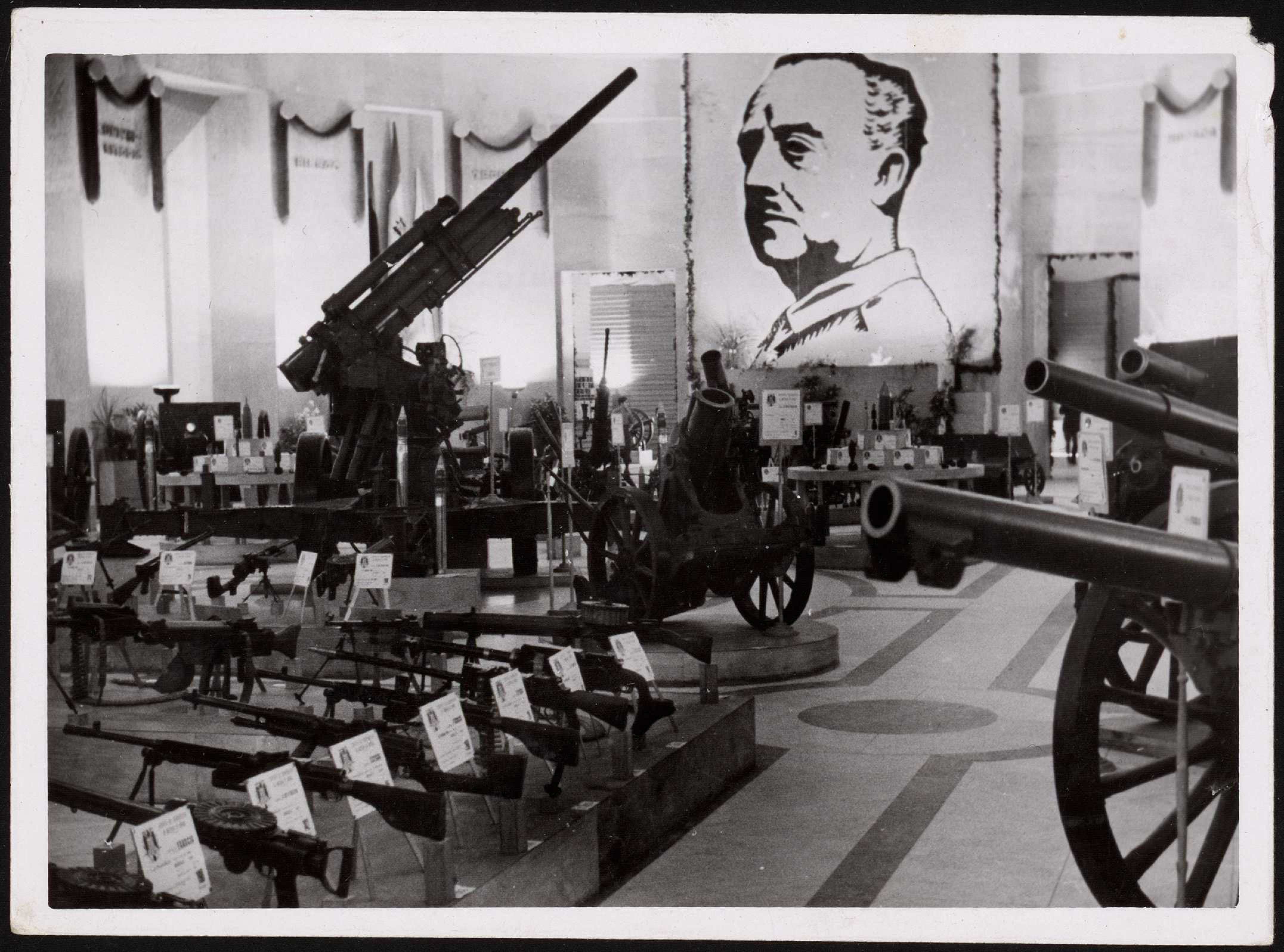
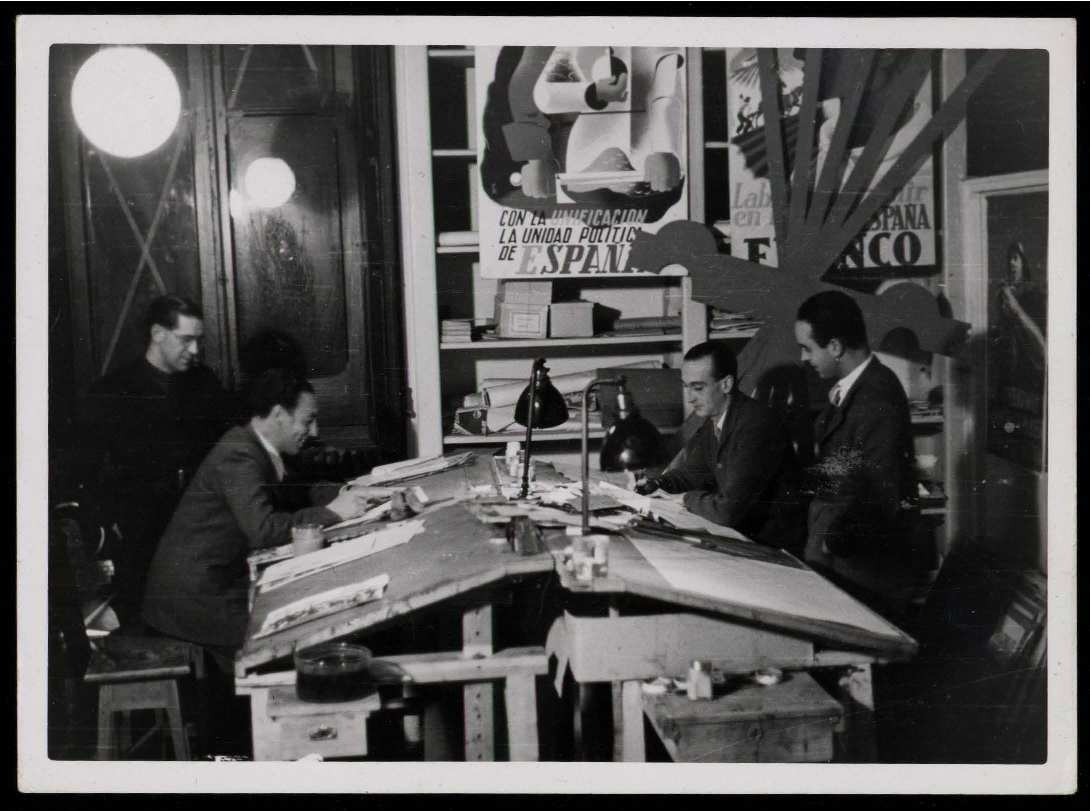
The crisis brought a series of transformations in the art world that led to a unique artistic production. Various cultural and political groups that actively engaged in the processes of artistic creation emerged. Both those who collaborated with the Republic and those who operated from the rebel side carried out extensive artistic activities, the analysis of which reveals the deep ideological influence that affected culture during those years.
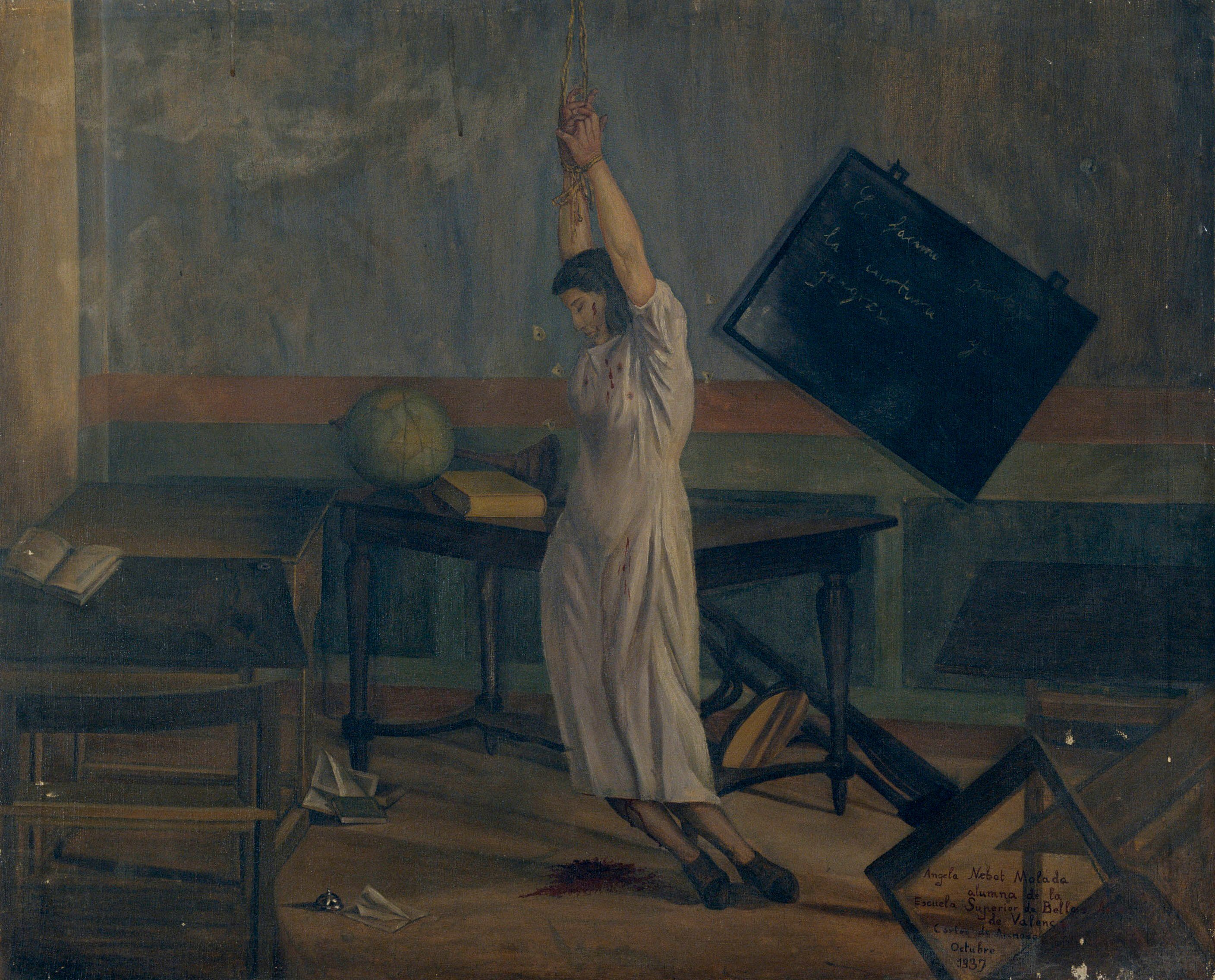
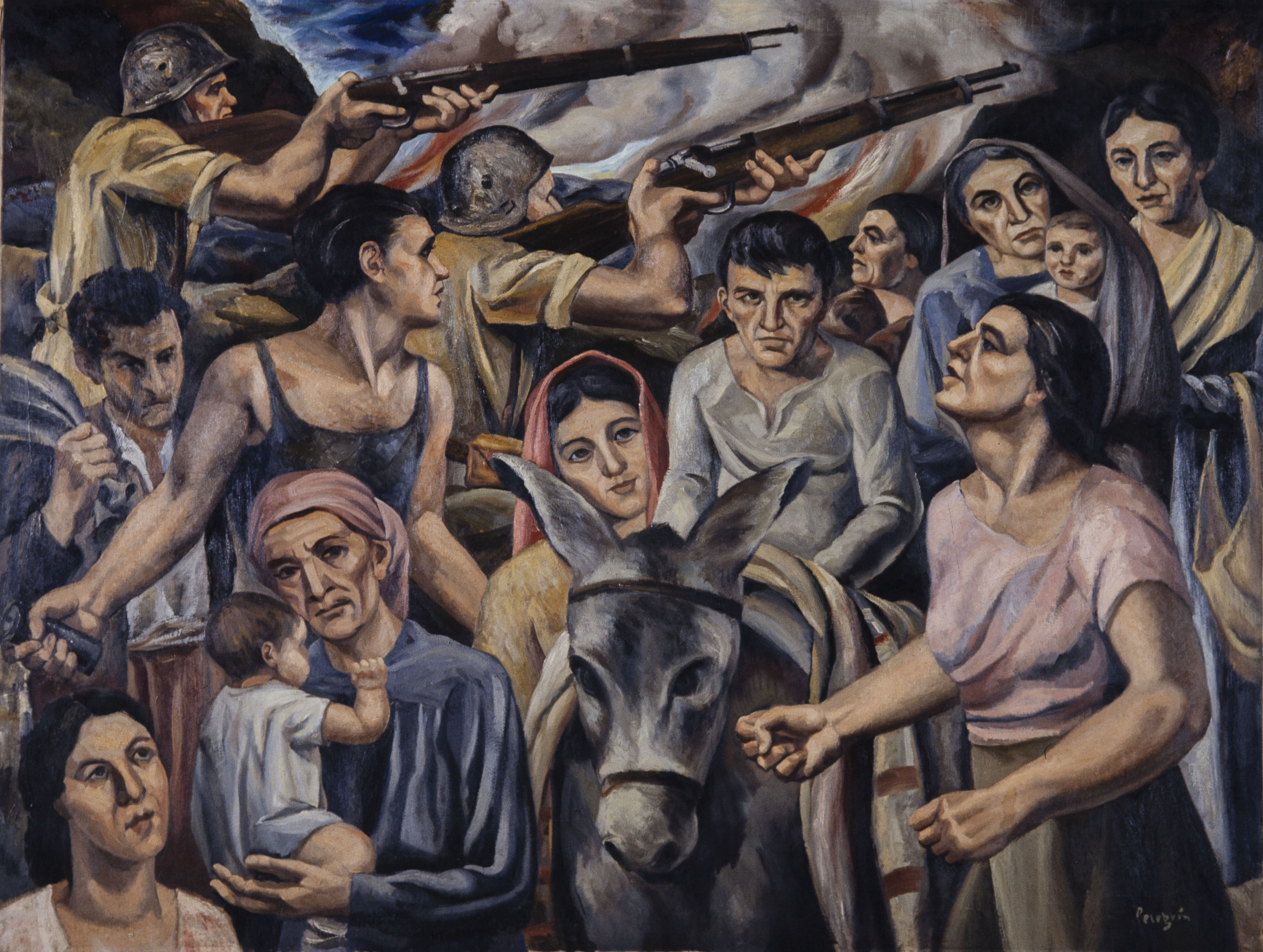
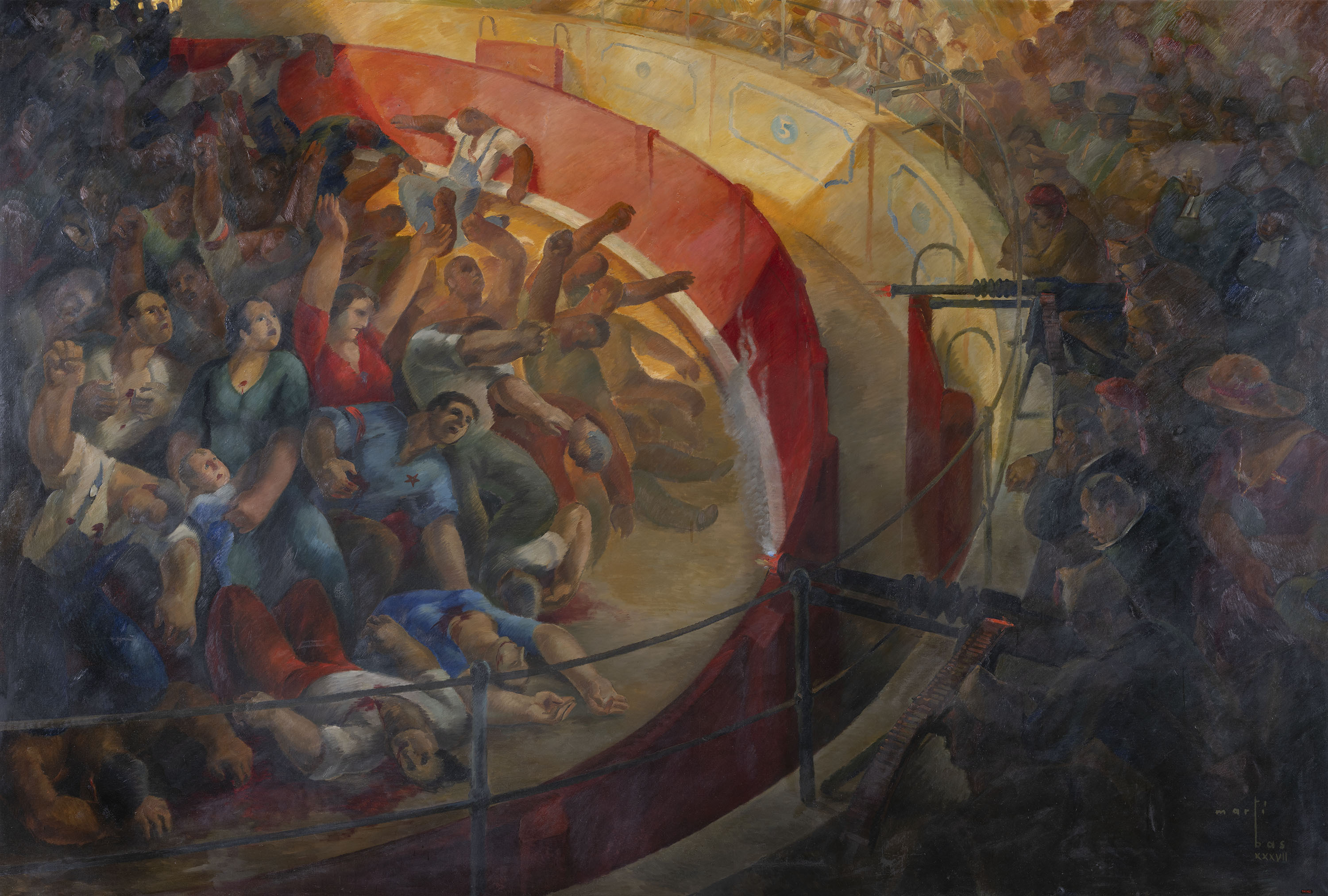
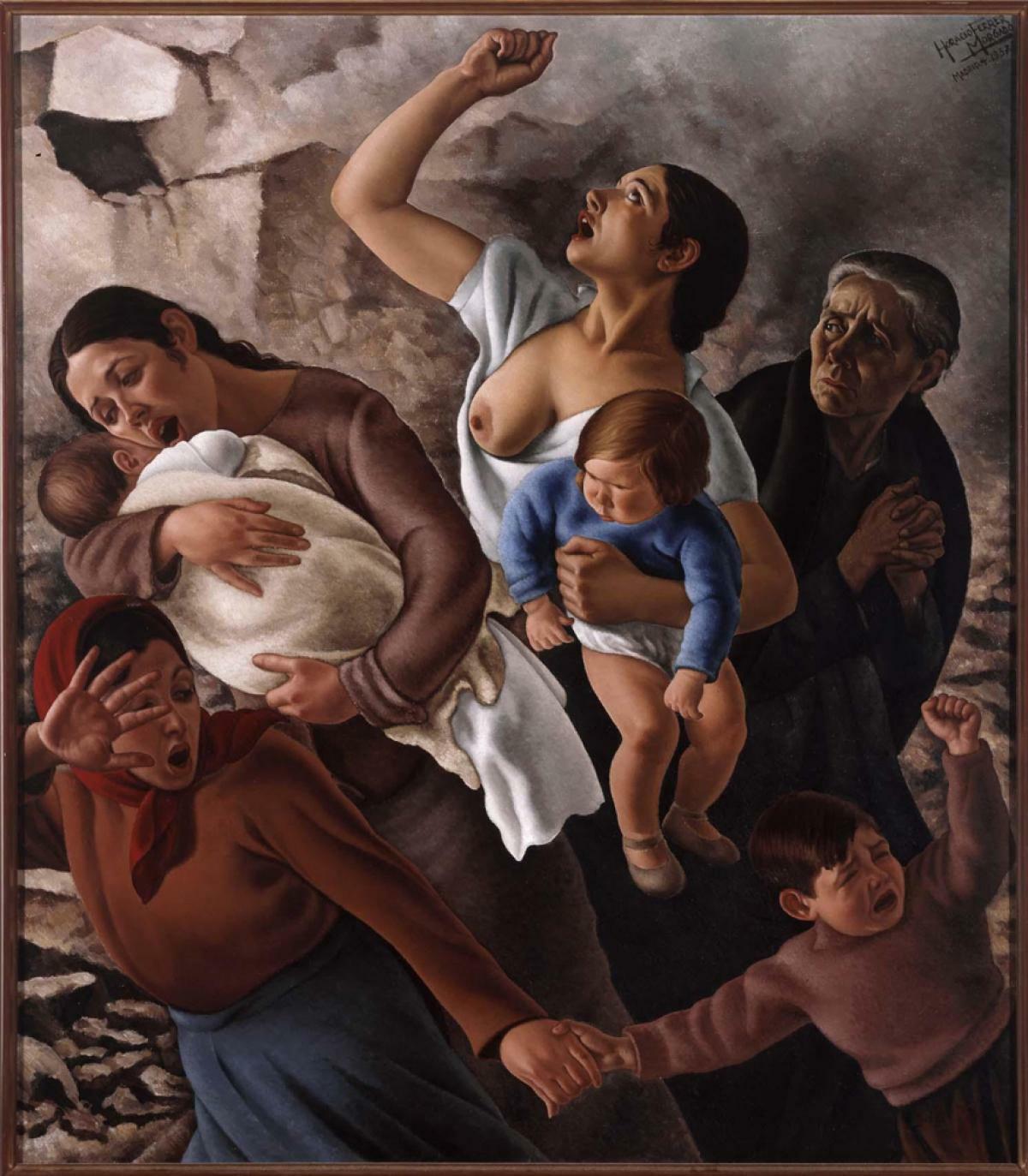
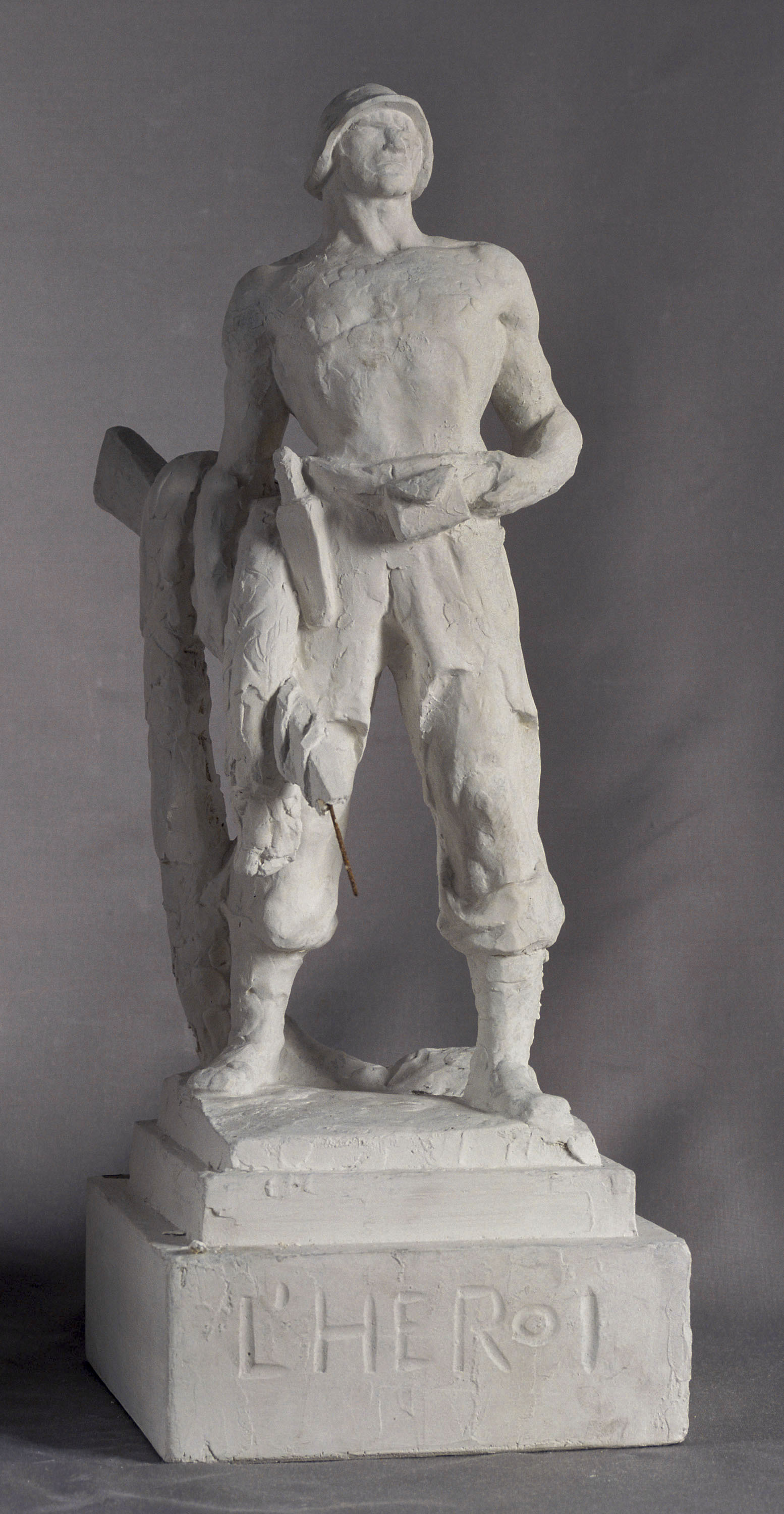
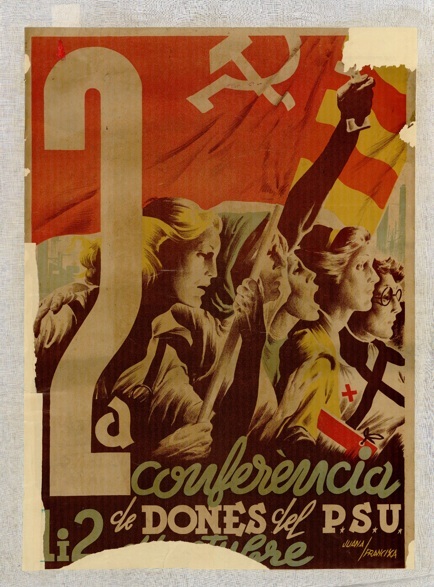
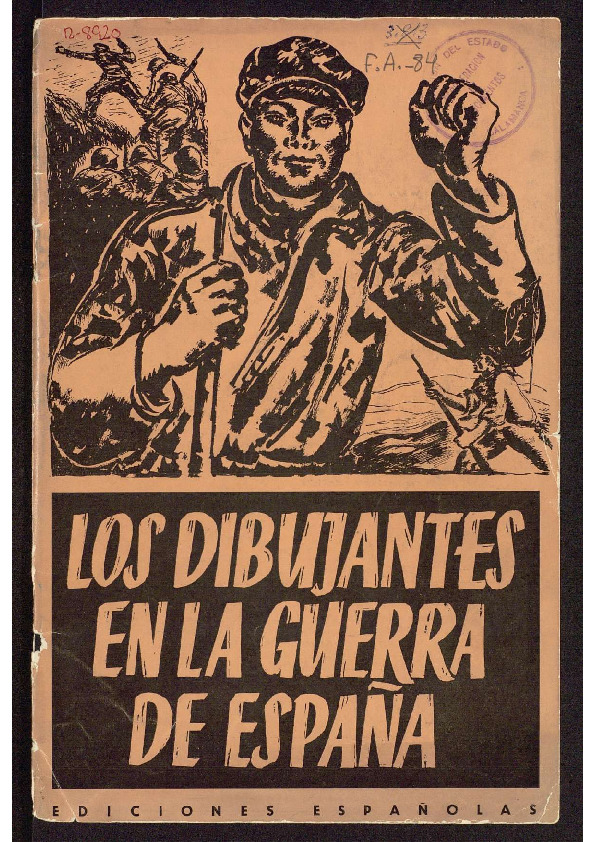
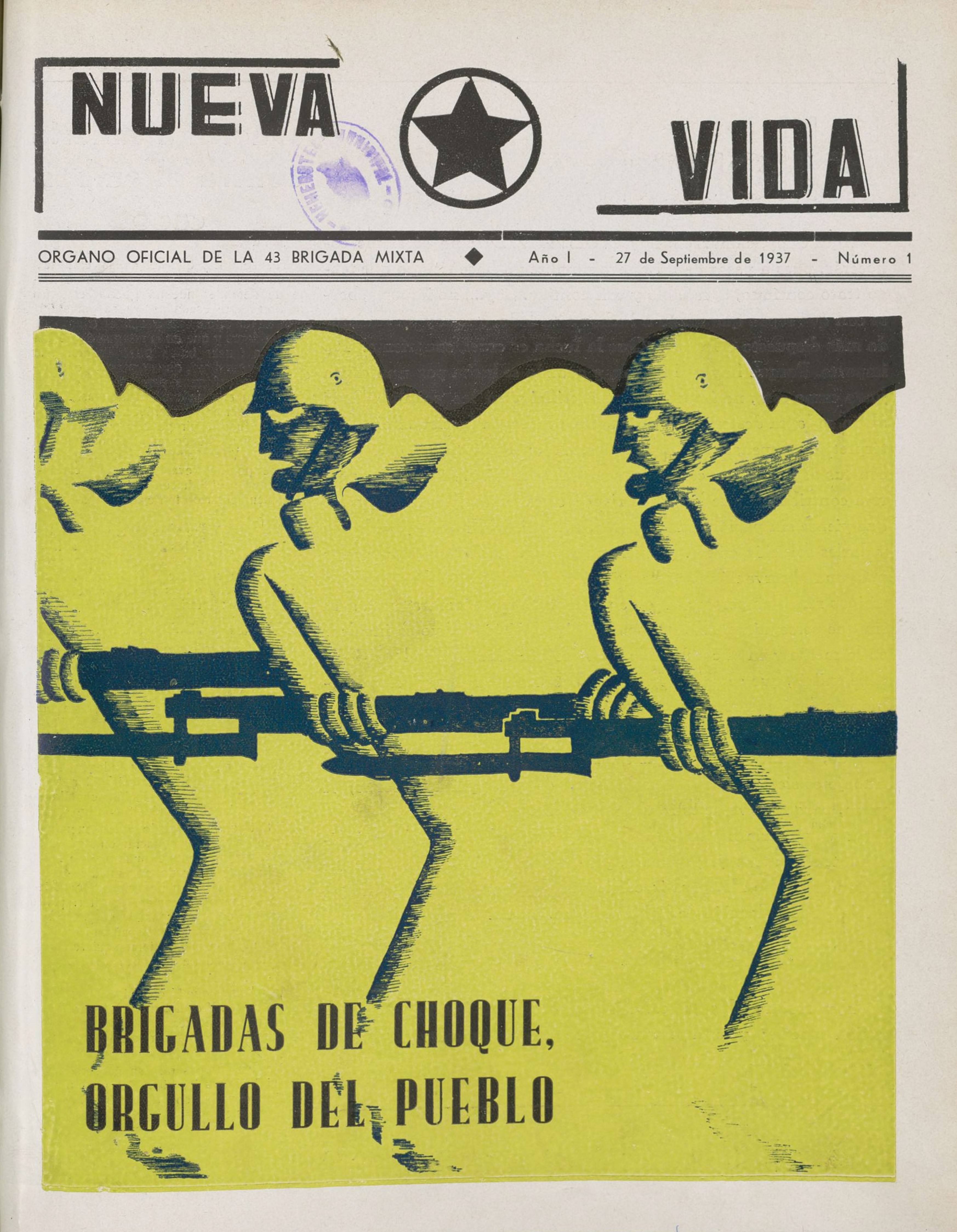
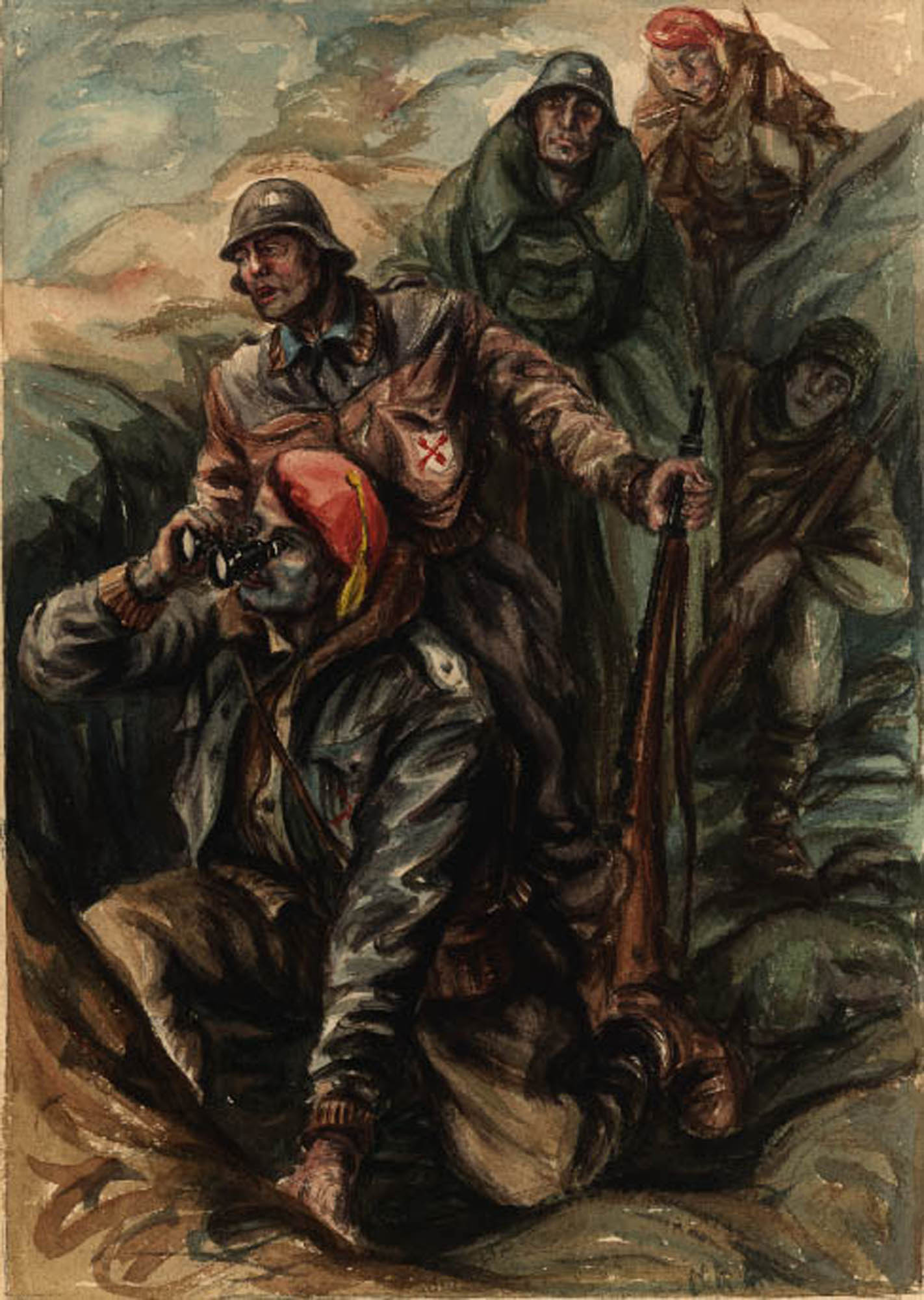
On the other hand, the urgent need to represent reality meant that the plastic arts assumed a necessary testimonial character. As a result, they became filled with images of bombings, evacuations, and rubble, highlighting the consequences that armed conflict brought upon the Spanish people. There were also depictions of the protagonists of the battles—whether epic or anti-heroic—either from their own perspective or from that of the opposing side. Additionally, the figure of the woman held a prominent place in illustrating the various roles she played during the conflict.
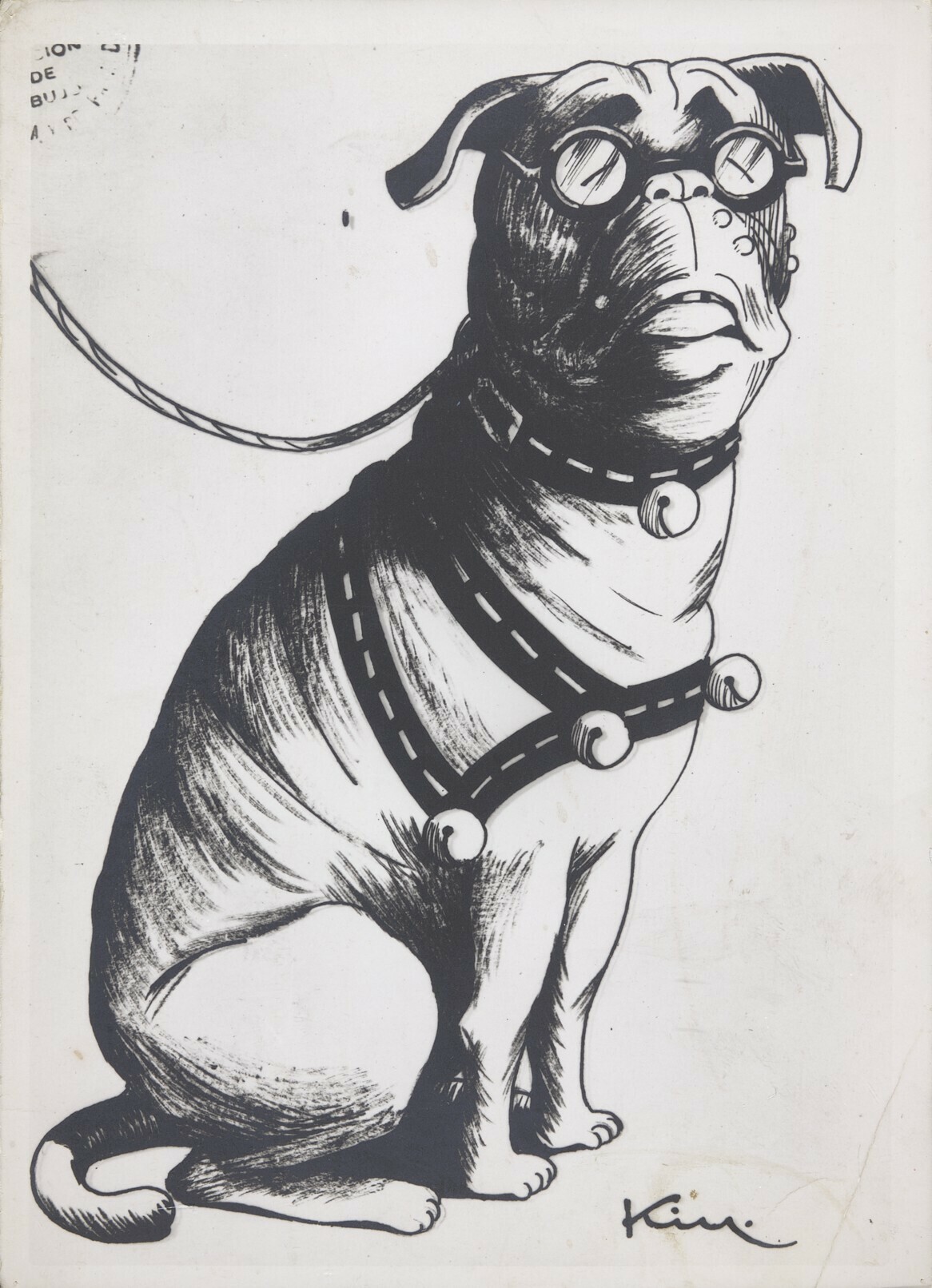
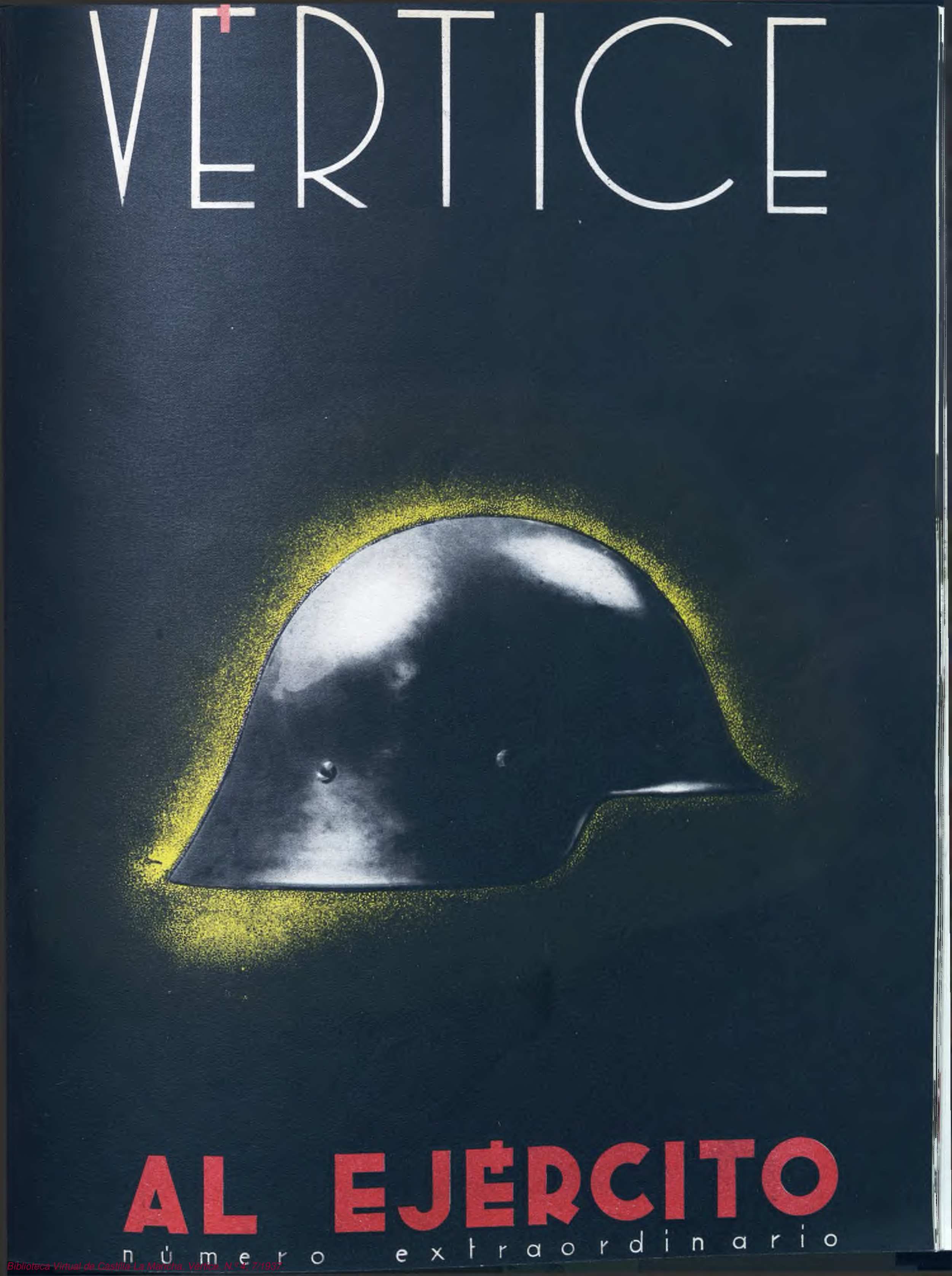
In this context, where the intent of artistic creations was essential, war realism emerged as the dominant trend. This was not limited to the traditional fine arts but also appeared in expressions characteristic of a modern mass culture. Regardless of their personal beliefs, artists converged in their commitment to war realism as the most suitable form of expression. They also embraced a firm commitment to society, demonstrated by their keen interest in current events and their deliberate effort to use their work to record, expose, and denounce them.